

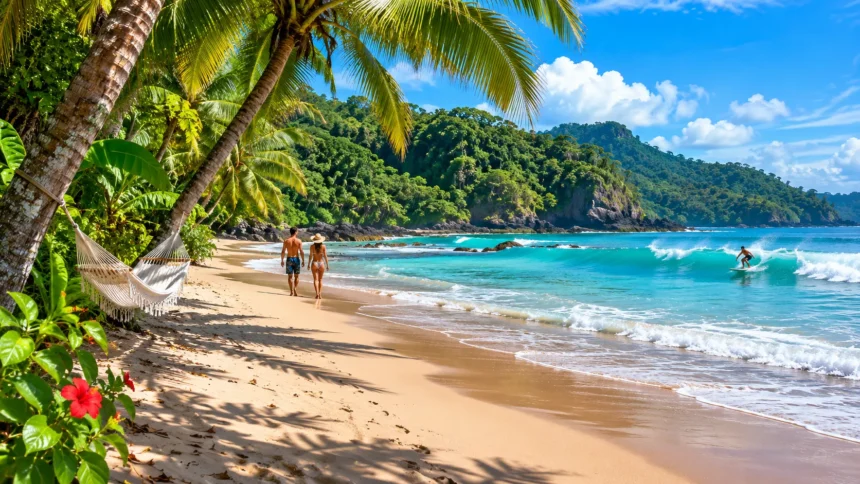
Costa Rica is one of Central America’s most beautiful travel destinations, famous for its tropical rainforests, breathtaking coastlines, and incredible wildlife. With beaches along both the Pacific Ocean and Caribbean Sea, the country offers everything from peaceful sandy shores to lively coastal towns. Whether you enjoy relaxing under palm trees, watching sunsets, or exploring nature, Costa Rica has something special.
Finding the best beaches in Costa Rica depends on your travel preferences and the experiences you want to enjoy. Some beaches are known for golden sand and clear water, while others attract visitors with surfing, wildlife, and dramatic tropical scenery. Each coastal region has a distinctive atmosphere that makes it worth exploring.
This guide highlights our favorite Costa Rica beaches, including famous destinations and quieter coastal escapes. You will discover what makes each beach special, the activities available, and practical tips for planning your trip. From Guanacaste to the southern Caribbean coast, these beautiful locations offer memorable experiences for different types of travelers.
Why Costa Rica Has Some of the Best Beaches
Costa Rica is home to hundreds of beautiful beaches spread across its Pacific and Caribbean coastlines. The country’s tropical climate, varied landscapes, and protected natural areas create remarkable coastal scenery. Some beaches feature white sand and turquoise water, while others have darker volcanic sand. This variety makes beach exploration one of Costa Rica’s most enjoyable experiences.
The Pacific coast is especially popular for surfing, scenic sunsets, and established beach towns. Guanacaste offers several accessible coastal destinations, while the Nicoya Peninsula attracts visitors seeking relaxed surroundings. Farther south, beaches near national parks provide opportunities to observe tropical wildlife. Each area offers a different combination of activities and natural attractions.
The Caribbean coast has its own character, featuring lush vegetation, distinctive local culture, and beautiful tropical beaches. Destinations around Puerto Viejo and Cahuita are particularly appealing. However, ocean conditions vary throughout the country, and not every beach is suitable for swimming. Choosing destinations according to your interests and local safety conditions makes for a better vacation.
Playa Manuel Antonio – Best for Beaches and Wildlife
Playa Manuel Antonio is one of Costa Rica’s most famous beaches, located inside Manuel Antonio National Park on the central Pacific coast. It is surrounded by tropical forest and beautiful green hills. The combination of pale sand, coastal scenery, and nearby wildlife makes it an outstanding destination. Visitors can enjoy the natural setting while exploring the national park.
The park is known for animals such as monkeys, sloths, and tropical birds. Walking along designated trails provides opportunities to appreciate the surrounding ecosystems. The beach itself offers attractive views and space for relaxing. Wildlife sightings are not guaranteed, but the area’s biodiversity makes every visit interesting.
Entry to the beach requires admission to the national park, which has controlled visitor access. Travelers should reserve official park tickets in advance and follow current visitor rules. Food and other items may be restricted to protect wildlife. Check water conditions before swimming, and never approach or feed wild animals.
Playa Conchal – Best for Beautiful Sand and Clear Water
Playa Conchal is a stunning beach located in Guanacaste on Costa Rica’s northwestern Pacific coast. It is especially famous for its unusual shoreline containing tiny pieces of crushed seashells. These natural materials create a distinctive texture and pale appearance. The beach’s clear-looking water and scenic surroundings make it popular with visitors and photographers.
The beach is close to the communities of Brasilito and Playa Flamingo. Many travelers reach it by walking from the Brasilito area. Visitors can enjoy coastal views, relax beside the water, and explore nearby restaurants. On suitable days, the conditions may also attract people interested in observing marine life.
Playa Conchal can become busy during holidays and peak travel periods. Arriving earlier may provide a quieter atmosphere and more comfortable temperatures. The shell fragments can feel different from ordinary sand, so suitable footwear may be helpful. Always ask about currents and swimming conditions before entering the ocean.
Tamarindo Beach – Best for Surfing and Coastal Town Life
Tamarindo Beach is one of the most popular coastal destinations in Guanacaste. It combines a long sandy shoreline with restaurants, accommodation, shops, and a lively town atmosphere. Visitors appreciate the convenience of having several attractions close together. Tamarindo is particularly well known for its surfing culture and beautiful Pacific sunsets.
The beach offers opportunities to watch surfers, enjoy coastal walks, and relax near the water. Beginners interested in surfing can explore supervised lessons with qualified local instructors when conditions are appropriate. The surrounding town also provides cafés and places to try Costa Rican food. These features make Tamarindo convenient for longer beach vacations.
Tamarindo is a developed tourist destination, so visitors should expect more activity than at remote beaches. The ocean has changing currents and wave conditions, making some sections unsuitable for casual swimming. Travelers should follow local safety guidance. Staying near the town center can make dining and transportation easier.
Playa Sámara – Best for a Relaxed Beach Vacation
Playa Sámara is a beautiful coastal destination on the Nicoya Peninsula in Guanacaste. The beach features a broad sandy shoreline, tropical vegetation, and a relaxed small-town atmosphere. It is often recommended for travelers seeking a quieter experience than major resort destinations. The surrounding scenery makes it suitable for peaceful coastal walks.
Visitors can explore the local community, enjoy restaurants, and appreciate views of the nearby shoreline. Organized nature and coastal excursions are available through local operators. On certain days, sheltered sections of the bay may have gentler conditions than more exposed Pacific beaches. However, calm-looking water should never be assumed safe without checking local advice.
Sámara is particularly appealing for travelers who want beach time combined with everyday town conveniences. Accommodation options range from simple guesthouses to more developed properties. The beach can still become busy during holidays. Planning several days here allows time to explore the area without rushing between activities.
Playa Carrillo – Best for Peaceful Tropical Scenery
Playa Carrillo is located a short distance south of Sámara on the Nicoya Peninsula. It is known for its long curved shoreline and rows of beautiful palm trees. The beach feels less developed than several nearby tourist destinations. Its natural scenery makes it one of our favorite places for quiet relaxation and photography.
Visitors can enjoy peaceful walks along the sand and appreciate the ocean views. The surrounding palm-lined landscape creates a classic tropical atmosphere. Because there are fewer commercial facilities directly beside the beach, the setting often feels less crowded. It is a good choice for travelers who value natural beauty over busy attractions.
Bring drinking water, sun protection, and any other essentials needed for your visit. Facilities may be limited compared with larger beach towns. Ocean conditions can change, even when the shoreline appears calm. Travelers staying in Sámara can consider Carrillo for a nearby scenic outing.
Santa Teresa Beach – Best for Surf Culture and Sunsets
Santa Teresa is a popular beach destination on the southern Nicoya Peninsula. It is famous for its impressive waves, long coastline, and laid-back atmosphere. The surrounding community attracts visitors interested in coastal scenery, outdoor activities, and casual cafés. Its beautiful sunsets are among the main reasons travelers visit.
The coastline provides opportunities for beach walks, photography, and relaxing while watching the ocean. Surfing is an important part of local tourism, with different breaks attracting varying experience levels. However, strong waves and currents can make swimming hazardous. Visitors should choose activities that match their abilities and follow professional guidance.
Reaching Santa Teresa can involve longer travel times than visiting more accessible Guanacaste beaches. Road conditions may vary depending on the season. Travelers should confirm transportation arrangements before departure. Spending several nights in the area provides enough time to appreciate its relaxed atmosphere and surrounding landscapes.
Playa Guiones – Best for Wide Beaches and Scenic Walks
Playa Guiones is located near Nosara on the Nicoya Peninsula and is widely recognized for its long sandy shoreline. The beach attracts visitors with its natural surroundings and established surfing community. Its broad coastal landscape provides memorable views, especially during the late afternoon. The area also has a reputation for wellness-focused tourism.
Walking along Playa Guiones is a popular way to appreciate its scenery. The surrounding town offers accommodation, restaurants, and opportunities to explore nearby natural areas. Surfing activities are available through local businesses. However, the beach can experience strong waves and rip currents, so casual swimming requires particular caution.
The Nosara area is relatively spread out, and transportation may be useful depending on your accommodation. Visitors should also respect protected coastal habitats and wildlife. Avoid disturbing nesting areas or leaving waste behind. Playa Guiones is especially appealing to travelers who appreciate expansive beaches and natural coastal environments.
Playa Flamingo – Best for Beautiful Coastal Views
Playa Flamingo is an attractive beach in Guanacaste known for its light-colored sand and picturesque Pacific coastline. The surrounding community includes accommodation, restaurants, and marina facilities. Its location makes it convenient for exploring nearby beaches. Visitors looking for a comfortable coastal base may find Playa Flamingo appealing.
The beach offers beautiful ocean views and opportunities to relax beside the water. Nearby viewpoints and coastal roads provide additional scenery for photography. Organized sightseeing excursions may also be available from the surrounding area. The combination of natural beauty and visitor facilities makes this destination suitable for different travel styles.
Playa Flamingo can be more expensive than some smaller Costa Rican beach communities. Accommodation prices vary by season and property type. Visitors should check local beach conditions before swimming and avoid assuming every section is equally safe. Combining Flamingo with a trip to Playa Conchal creates an enjoyable Guanacaste itinerary.
Punta Uva – Best for Caribbean Beach Scenery
Punta Uva is one of the most beautiful beaches on Costa Rica’s southern Caribbean coast. Located near Puerto Viejo de Talamanca, it features tropical vegetation, pale sand, and attractive coastal views. The beach has a peaceful atmosphere compared with some larger Pacific destinations. Its rainforest surroundings create memorable scenery.
Visitors can relax along the shoreline and enjoy views of the surrounding palm trees and coastal vegetation. Certain sections may provide opportunities to observe marine environments when weather and water conditions are suitable. The nearby communities also offer restaurants and accommodation. Punta Uva is particularly appealing to travelers seeking a tropical Caribbean experience.
Water clarity and wave conditions can change considerably throughout the year. Visitors should avoid entering the ocean during strong currents or rough weather. The surrounding natural habitats also deserve careful protection. Exploring Punta Uva alongside nearby Caribbean beaches provides a rewarding introduction to this distinctive part of Costa Rica.
Cahuita Beaches – Best for Rainforest and Coastal Nature
Cahuita is a beautiful destination on Costa Rica’s Caribbean coast, known for its national park and attractive coastal landscapes. The area features beaches alongside tropical forest, creating opportunities to enjoy both natural environments. Cahuita National Park is particularly well known for its wildlife and marine ecosystems. Visitors often combine beach sightseeing with walking along designated trails.
The park’s coastal paths may provide opportunities to observe monkeys, sloths, and tropical birds. Playa Blanca is one of the best-known beaches within the park area. Cahuita also has a darker-sand shoreline near the town. These different environments create variety for travelers interested in photography and nature.
Visitors should check current national park access and activity requirements before arriving. Snorkeling around protected reef areas may require an authorized guide and suitable conditions. Ocean currents can also be dangerous in some sections. Following park regulations helps protect the environment while allowing visitors to appreciate its natural beauty.
Playa Uvita – Best for Unique Coastal Landscapes
Playa Uvita is located on Costa Rica’s southern Pacific coast within Marino Ballena National Park. It is particularly famous for the natural sand formation known as the Whale’s Tail. This remarkable coastal feature becomes more visible around low tide. Its unusual shape and surrounding scenery make Uvita a memorable destination for photography.
The area is also associated with seasonal humpback whale migrations. Licensed wildlife-watching excursions may provide opportunities to observe whales from an appropriate distance during suitable periods. Visitors can also enjoy coastal walks and views of nearby green hills. The surrounding region features additional natural attractions, including waterfalls and rainforest landscapes.
Tide conditions are important when visiting the Whale’s Tail formation. Travelers should check official park information and avoid walking onto exposed sandbars when rising tides may cut off safe access. Entrance arrangements can also change. Respecting wildlife viewing rules helps protect the marine environment while creating a more responsible travel experience.
Playa Grande – Best for Open Coastline and Natural Beauty
Playa Grande is a beautiful beach in Guanacaste, located near Tamarindo. It is associated with Las Baulas National Marine Park, which protects important coastal environments and sea turtle nesting habitats. The beach features a broad sandy shoreline and attractive ocean scenery. Its natural setting appeals to visitors interested in wildlife conservation.
The beach is popular for scenic walking, watching the waves, and appreciating the surrounding landscape. Certain areas attract experienced surfers when conditions are suitable. Conservation programs also highlight the importance of protecting leatherback sea turtles. Wildlife observation opportunities depend on the season and current park rules.
Visitors should respect all nesting-area restrictions and avoid disturbing wildlife. Sea turtle observation should only take place through authorized activities where available. Strong waves and currents can make swimming dangerous. Playa Grande is best enjoyed with careful attention to environmental protection and local ocean conditions.
Best Time to Visit the Beaches in Costa Rica
The best time to visit Costa Rica’s beaches depends on the coastline and type of weather you prefer. Much of the Pacific coast experiences a relatively dry season from approximately December through April. This period is popular for beach vacations and outdoor sightseeing. However, regional weather patterns and seasonal conditions vary.
The Pacific rainy season generally extends from May through November, although rainfall differs across locations. Mornings may sometimes be clearer than afternoons, but this is not guaranteed. The Caribbean coast follows different rainfall patterns and does not share exactly the same dry season. Travelers should research the specific destination rather than relying on one nationwide forecast.
Peak travel periods can bring larger crowds and higher accommodation prices. Quieter months may offer different scenery and travel opportunities. However, heavy rain can affect roads, outdoor activities, and beach conditions. Checking regional forecasts and current travel information helps visitors choose suitable dates for their vacation.
Important Beach Safety and Travel Tips
Beach safety is essential when exploring Costa Rica because strong rip currents occur along both coastlines. Some beaches have limited or no lifeguard services. Visitors should follow warning signs and ask qualified local authorities about swimming conditions. Never assume that beautiful or calm-looking water is automatically safe.
Sun protection, drinking water, and suitable footwear are useful for coastal sightseeing. Travelers should also keep personal belongings secure and avoid leaving valuables unattended on the sand. In some coastal and river-mouth areas, wildlife hazards such as crocodiles require additional caution. Respecting warning signs and remaining away from dangerous areas is important.
When visiting national parks, stay on designated trails and follow wildlife protection rules. Avoid feeding animals, touching coral, or collecting shells from protected environments. Transportation and accommodation should also be arranged according to the destination’s accessibility. Thoughtful planning makes it easier to enjoy Costa Rica’s beaches while respecting local communities and natural habitats.
Conclusion
Costa Rica offers some of Central America’s most beautiful beaches, with remarkable destinations along both the Pacific and Caribbean coasts. Playa Manuel Antonio combines tropical forest with coastal scenery, while Playa Conchal is famous for its unusual shell-covered shoreline. Santa Teresa and Tamarindo offer lively surf communities, while Punta Uva provides a peaceful Caribbean atmosphere.
The best beaches in Costa Rica depend on what you want from your vacation. Travelers interested in wildlife may prefer Manuel Antonio or Cahuita, while those seeking quiet scenery might enjoy Playa Carrillo. Uvita offers unusual coastal landscapes, and Sámara provides a relaxed town atmosphere. Each destination reveals a different aspect of Costa Rica’s natural beauty.
Planning ahead helps create a more comfortable and memorable beach trip. Consider seasonal weather, transportation, water safety, and local facilities before choosing where to stay. Respect wildlife and protected environments throughout your visit. Whether you explore one coastal region or several, Costa Rica offers remarkable beaches and memorable tropical experiences.
Frequently Asked Questions
What is the most beautiful beach in Costa Rica?
Playa Manuel Antonio and Playa Conchal are frequently considered among Costa Rica’s most beautiful beaches. Manuel Antonio offers rainforest scenery and wildlife, while Conchal is known for its distinctive shell-covered shoreline and attractive water.
Which Costa Rica beach is best for families?
Playa Sámara is a popular choice for families because of its relaxed atmosphere and convenient town facilities. However, swimming safety depends on daily ocean conditions, and visitors should always follow local guidance.
Are Costa Rica beaches safe for swimming?
Some beaches have suitable swimming conditions at certain times, but rip currents and strong waves are common. Visitors should use lifeguarded areas where available and check local warnings before entering the water.
Which coast of Costa Rica has the best beaches?
Both coasts offer beautiful beaches. The Pacific is known for surfing, sunsets, and diverse coastal scenery, while the Caribbean features lush vegetation, distinctive culture, and tropical destinations such as Punta Uva.
What is the best month to visit Costa Rica beaches?
January through March is popular for many Pacific coast beaches because conditions are generally drier. Caribbean weather patterns differ, so the best month depends on your chosen destination and preferred activities.