

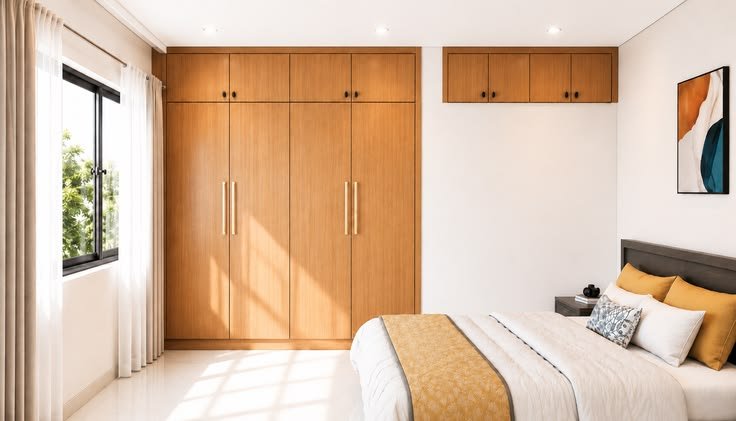
A wardrobe is an essential part of any well-organised bedroom. Beyond providing storage for clothes and accessories, the right wardrobe can improve the appearance of your space while making everyday routines more convenient. When choosing bedroom furniture in Sri Lanka, it is important to consider your available space, storage requirements, preferred style and budget.
Just as homeowners look for quality when choosing the best office furniture in Sri Lanka, selecting a bedroom wardrobe also requires careful consideration of functionality, durability and design. With a wide range of styles and sizes available, understanding your needs can help you find a wardrobe that complements your home and suits your lifestyle.
1. Measure Your Bedroom Space
Before choosing a wardrobe, take accurate measurements of the area where you plan to place it. Consider the available wall space, ceiling height and distance between other furniture pieces. A wardrobe that is too large can make a small bedroom feel crowded, while a smaller design may not provide enough storage.
Remember to account for door openings, walking space and access to windows. Measuring your bedroom beforehand makes it easier to select a wardrobe that fits comfortably into the room.
2. Choose the Right Wardrobe Type
Wardrobes are available in different designs to suit various room layouts and storage needs. Sliding-door wardrobes are particularly useful in smaller bedrooms because their doors do not require additional clearance when opening. They can help maximise usable floor space while maintaining a neat appearance.
Hinged-door wardrobes are another popular option, offering easy access to the entire storage area when the doors are open. Depending on your preferences, you can also consider wardrobes with mirrors, drawers or additional compartments for improved convenience.
3. Consider Your Storage Requirements
Think about what you need to store before deciding on the size and layout of your wardrobe. If you have many formal outfits, shirts or dresses, a wardrobe with sufficient hanging space may be ideal. If you mainly store folded clothes, shelves and drawers can provide more practical organisation.
Additional compartments can also help keep accessories, bags, footwear and everyday essentials neatly arranged. Choosing a wardrobe based on your actual storage requirements helps prevent clutter and makes better use of the available space.
4. Select Durable Materials
Material quality is an important consideration when purchasing bedroom furniture. Wardrobes can be made from solid wood, engineered wood and other manufactured materials, each offering different characteristics in terms of appearance, maintenance and cost.
When comparing options, look at the overall construction, hinges, handles, drawer runners and door mechanisms. These components influence how smoothly the wardrobe operates over time.
Sri Lanka’s warm and humid climate also makes it worth considering how well the materials and finishes tolerate moisture. Keeping the bedroom ventilated and avoiding direct contact with damp walls can help maintain your furniture in good condition.
5. Match the Wardrobe to Your Bedroom Style
A wardrobe occupies a significant amount of visual space, so its design can influence the overall atmosphere of your bedroom. Choosing a style that complements your existing furniture, wall colours and flooring helps create a balanced interior.
Neutral shades such as white, beige, grey and natural wood tones work well in many bedroom settings. Meanwhile, darker finishes can introduce contrast and create a more contemporary appearance.
Whether you prefer a simple, modern design or a more traditional look, focus on choosing a wardrobe that suits your personal taste without overwhelming the room.
6. Think About Functionality and Convenience
A wardrobe should make everyday organisation easier. Features such as adjustable shelves, internal drawers, hanging rails and built-in mirrors can improve its practicality.
Consider how frequently you access different items and whether the internal layout supports your routine. For example, keeping frequently worn clothing within easy reach can make getting ready in the morning more convenient.
It is also worth checking the quality of the door mechanisms and handles before making a purchase. Small functional details can make a noticeable difference to everyday use.
7. Set a Realistic Budget
Wardrobe prices can vary depending on size, materials, construction and additional features. Establishing a budget before shopping helps narrow down your options and makes it easier to compare suitable designs.
Rather than focusing exclusively on the lowest price, consider the balance between cost, durability and functionality. A well-designed wardrobe that meets your storage needs can offer better long-term value than one that requires frequent repairs or replacement.
Compare the features included in each option and check whether delivery, assembly or installation services are available.
8. Make the Most of Smaller Bedrooms
Many Sri Lankan homes have bedrooms where space needs to be used carefully. In these situations, choosing a wardrobe with a compact footprint and a practical internal layout can make a significant difference.
Sliding doors, vertical storage and built-in shelving can help maximise available space without compromising accessibility. Light-coloured finishes and mirrored doors may also help create a more open visual effect.
Keeping the surrounding area uncluttered and positioning other furniture thoughtfully can further improve the room’s functionality.
9. Check Maintenance Requirements
Regular maintenance helps keep your wardrobe looking good and functioning properly. Dusting surfaces with a soft cloth and following the manufacturer’s cleaning instructions can help preserve the finish.
Avoid excessive moisture when cleaning wooden or engineered-wood furniture, and pay attention to damp areas around the bedroom. Periodically checking hinges, handles and drawer runners can also help identify minor issues before they become more significant problems.
Choosing a wardrobe with a finish that is easy to maintain can make everyday care simpler, particularly in busy households.
Conclusion
Choosing the right bedroom wardrobe involves balancing storage capacity, available space, material quality, design and budget. By measuring your bedroom, understanding your storage requirements and considering Sri Lanka’s climate, you can make a more informed purchasing decision. Whether you need a compact wardrobe for a smaller room or a spacious design for a larger bedroom, prioritising practicality and durability will help you create a comfortable, organised living space. A thoughtfully selected wardrobe is a valuable addition to your home, combining everyday convenience with a style that complements your bedroom.