
Croatia is one of Europe’s most beautiful travel destinations, famous for its crystal-clear Adriatic Sea, historic coastal towns, and breathtaking natural landscapes. From medieval cities and stunning islands to peaceful national parks, the country offers unforgettable experiences for every type of traveler. Whether you enjoy sightseeing, cultural attractions, or relaxing beaches, there are plenty of incredible places to visit in Croatia.
Dubrovnik: Explore the Pearl of the Adriatic
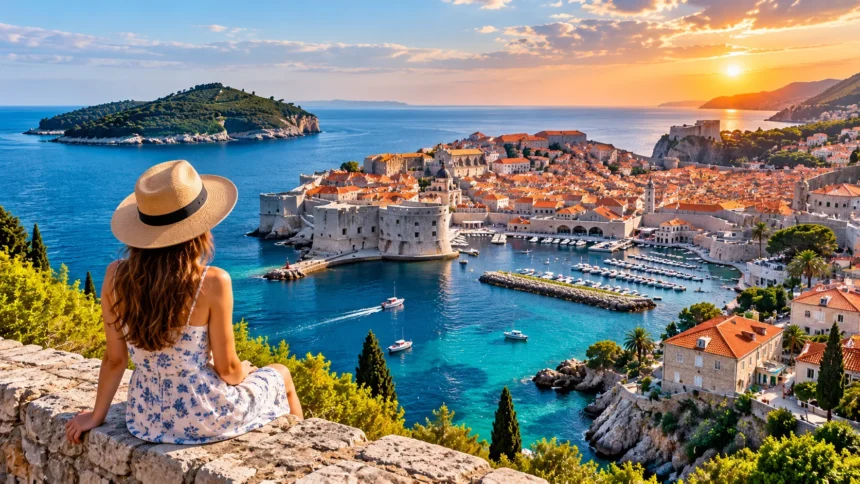
Dubrovnik is one of the most famous places to visit in Croatia, known for its impressive medieval walls and beautiful coastal scenery. The UNESCO-listed Old Town features narrow stone streets, historic churches, and charming squares surrounded by centuries-old architecture. Walking through the city feels like exploring a living museum, with magnificent views of the Adriatic Sea.
One of Dubrovnik’s main attractions is its historic city walls, which surround much of the Old Town. Visitors can enjoy panoramic views of terracotta rooftops, ancient fortifications, and the sparkling coastline. Other popular sights include Rector’s Palace, Stradun Street, and Fort Lovrijenac, which stands dramatically above the sea and provides excellent photography opportunities.
Beyond its historical landmarks, Dubrovnik offers beautiful beaches, coastal restaurants, and memorable island excursions. Banje Beach is popular for its scenic waterfront setting, while nearby Lokrum Island provides peaceful walking paths and natural surroundings. The city is particularly enjoyable during spring and early autumn when temperatures are comfortable and popular attractions are generally less crowded.
Split: Discover Ancient Roman History
Split is Croatia’s second-largest city and one of the most fascinating destinations along the Dalmatian Coast. Its historic center combines ancient Roman architecture with lively streets, traditional markets, and modern cafes. The city’s waterfront location also makes it an excellent starting point for exploring nearby Croatian islands and beautiful Mediterranean beaches.
The most famous attraction in Split is Diocletian’s Palace, a remarkable Roman complex dating back to the fourth century. Today, its ancient walls contain shops, restaurants, residences, and historical monuments. Visitors can also explore the Cathedral of Saint Domnius, climb its bell tower, and discover underground chambers that reveal the city’s remarkable architectural heritage.
Split’s Riva Promenade is another wonderful place to experience the local atmosphere. Palm trees, waterfront cafes, and scenic harbor views create a relaxing environment throughout the day. Travelers can also visit Marjan Hill for hiking trails, peaceful viewpoints, and beautiful scenery overlooking the city and surrounding Adriatic islands.
Plitvice Lakes National Park: Experience Natural Beauty
Plitvice Lakes National Park is among Croatia’s most spectacular natural attractions and a must-visit destination for nature lovers. Located in central Croatia, this UNESCO World Heritage Site is famous for its interconnected lakes, cascading waterfalls, and lush forests. Its changing water colors create an extraordinary landscape that attracts visitors from around the world.
The park contains sixteen named lakes connected by waterfalls and natural water channels. Wooden walkways and marked hiking trails allow visitors to explore different sections while enjoying impressive viewpoints. Depending on the selected route, travelers can discover peaceful forest paths, dramatic waterfalls, and beautiful turquoise lakes surrounded by limestone formations.
Plitvice Lakes is beautiful throughout the year, with each season offering a different experience. Spring brings powerful waterfalls, summer highlights the surrounding greenery, and autumn creates colorful forest landscapes. Visitors should wear comfortable walking shoes, follow designated trails, and check park conditions before traveling because weather can affect accessibility.
Hvar Island: Enjoy Beautiful Beaches and Coastal Towns
Hvar Island is one of Croatia’s most popular island destinations, celebrated for its sunny Mediterranean climate and picturesque coastline. Located off the Dalmatian Coast, it combines historic architecture, charming villages, and scenic beaches. Its attractive harbor and surrounding islands make it a memorable destination for travelers seeking coastal beauty and cultural experiences.
Hvar Town is the island’s main attraction, featuring a beautiful waterfront square, traditional stone buildings, and historic landmarks. The hilltop Fortica Fortress offers spectacular views of the harbor and nearby Pakleni Islands. Visitors can explore narrow streets, admire the impressive Cathedral of Saint Stephen, and enjoy relaxing walks through the historic center.
Beyond Hvar Town, the island offers peaceful communities such as Stari Grad and Jelsa. Travelers can discover lavender-growing areas, hidden coves, and scenic countryside roads surrounded by traditional Mediterranean landscapes. Boat excursions to nearby islands are also popular, providing opportunities to admire clear coastal waters and beautiful natural scenery.
Krka National Park: Admire Magnificent Waterfalls
Krka National Park is one of the best places to visit in Croatia for waterfalls, outdoor scenery, and peaceful nature experiences. Located near Šibenik, the park is famous for its waterfalls, river landscapes, and diverse wildlife. Well-maintained walking paths provide access to beautiful natural surroundings, making it appealing to visitors of different ages.
Skradinski Buk is the park’s most recognizable attraction, featuring a series of waterfalls flowing across natural limestone formations. Wooden pathways guide visitors through green vegetation and provide excellent views of the cascading water. The surrounding landscape creates a refreshing atmosphere, especially during the warmer months when Croatia’s coastal regions experience higher temperatures.
Another interesting attraction is Visovac Island, located within the Krka River and known for its historic Franciscan monastery. Travelers can explore selected park areas through walking routes and authorized boat excursions. Swimming is not permitted at Skradinski Buk, so visitors should focus on sightseeing and follow the park’s conservation regulations.
Rovinj: Wander Through a Picturesque Coastal Town
Rovinj is one of the most charming towns in Croatia’s Istrian Peninsula, known for colorful waterfront buildings and romantic Mediterranean scenery. Its historic center occupies a small peninsula surrounded by beautiful Adriatic waters. Narrow cobblestone streets, traditional houses, and artistic shops make Rovinj particularly attractive to travelers interested in architecture and photography.
The Church of Saint Euphemia dominates Rovinj’s skyline and provides a recognizable landmark above the Old Town. Visitors can explore the surrounding streets, discover small galleries, and enjoy views from scenic coastal viewpoints. The town’s picturesque harbor is also a wonderful place to watch fishing boats and admire traditional Croatian coastal architecture.
Rovinj offers more than historical sightseeing, with nearby beaches, peaceful parks, and scenic cycling routes. Zlatni Rt Forest Park, also called Golden Cape, provides shaded walking paths and access to rocky beaches. Evening walks along the waterfront are especially memorable when the setting sun illuminates the colorful buildings overlooking the sea.
Pula: Visit the Famous Roman Amphitheater
Pula is an important historical city located near the southern tip of Croatia’s Istrian Peninsula. It is best known for its remarkable Roman architecture and attractive coastal surroundings. The city’s combination of ancient monuments, local culture, and nearby beaches makes it a rewarding destination for travelers exploring northern Croatia.
The Pula Arena is the city’s most famous landmark and one of the world’s best-preserved Roman amphitheaters. Built during the Roman period, this impressive structure once hosted public entertainment and gatherings. Visitors can admire its monumental stone arches, explore historical displays, and learn about the city’s importance during ancient Roman times.
Other historical attractions include the Temple of Augustus, the Arch of the Sergii, and the remains of the Roman Forum. Beyond the historic center, Pula offers access to beautiful coastal areas and natural swimming spots. Nearby Cape Kamenjak is particularly popular for its rugged coastline, clear waters, and scenic Mediterranean landscapes.
Zadar: Experience Historic Streets and Unique Attractions
Zadar is a beautiful coastal city in northern Dalmatia, offering an appealing combination of history, modern attractions, and waterfront scenery. Its historic Old Town features Roman ruins, medieval churches, and traditional stone streets. The city is also known for its relaxed atmosphere and spectacular sunsets over the Adriatic Sea.
One of Zadar’s most unusual attractions is the Sea Organ, an architectural installation that produces sounds using waves and air movement. Nearby, the Greeting to the Sun installation creates a colorful light display after sunset. Together, these waterfront landmarks provide a memorable experience that combines creative design with the natural coastal environment.
Zadar also has impressive historical attractions, including the Church of Saint Donatus and the Roman Forum. Visitors can explore local markets, enjoy traditional Dalmatian cuisine, and walk along the scenic waterfront promenade. Its location makes it a convenient base for discovering nearby islands, coastal villages, and northern Dalmatian national parks.
Zagreb: Explore Croatia’s Vibrant Capital
Zagreb is Croatia’s capital and an excellent destination for travelers who enjoy history, museums, and lively city environments. Unlike the country’s coastal destinations, Zagreb offers a Central European atmosphere with elegant architecture, leafy parks, and busy public squares. Its cultural attractions provide an interesting perspective on Croatian life beyond the Adriatic coastline.
The historic Upper Town is among Zagreb’s main attractions, featuring cobblestone streets, traditional buildings, and beautiful viewpoints. St. Mark’s Church is particularly recognizable because of its colorful tiled roof. Visitors can also explore Ban Jelačić Square, admire Zagreb Cathedral, and discover museums dedicated to art, history, and unusual cultural collections.
Zagreb’s Lower Town offers attractive parks, shopping streets, and comfortable places to relax between sightseeing activities. The city’s cafe culture is an important part of everyday life, creating a welcoming atmosphere for visitors. Travelers can also explore Dolac Market, where vendors sell fresh produce, traditional products, and seasonal local specialties.
Korčula Island: Discover Medieval Charm
Korčula Island is another beautiful Croatian destination, known for its medieval architecture, scenic coastline, and traditional Mediterranean atmosphere. Located in southern Dalmatia, the island features peaceful villages, picturesque beaches, and historic settlements. Its combination of cultural heritage and natural beauty makes it an attractive alternative to busier island destinations.
Korčula Town is the island’s main historical attraction, featuring stone walls, narrow streets, and impressive medieval buildings. The Cathedral of Saint Mark stands prominently within the Old Town and reflects the area’s architectural heritage. Visitors can explore charming squares, traditional restaurants, and scenic waterfront pathways while discovering the island’s rich cultural traditions.
Beyond the town center, Korčula offers beautiful countryside landscapes and peaceful coastal communities. Lumbarda is known for its sandy beaches and agricultural surroundings, while Vela Luka provides a quieter harbor setting. Travelers can also enjoy coastal walking routes, traditional local dishes, and scenic views across the surrounding Adriatic islands.
Brač Island: Relax on Croatia’s Famous Beaches
Brač Island is one of the most popular places to visit in Croatia for beach holidays and scenic coastal landscapes. Located near Split, the island is known for its clear waters, traditional villages, and beautiful natural surroundings. Its convenient ferry connections make it an accessible destination for visitors exploring the central Dalmatian region.
The island’s most famous attraction is Zlatni Rat Beach near the town of Bol. This distinctive pebble beach extends into the Adriatic Sea and changes shape slightly depending on currents, waves, and wind. Surrounded by clear waters and beautiful coastal scenery, it is one of Croatia’s most recognizable natural landmarks.
Brač also offers charming villages, scenic viewpoints, and opportunities to explore the island’s interior. Vidova Gora, the highest peak among the Adriatic islands, provides breathtaking views of nearby islands and the coastline. Visitors can discover traditional stone architecture, enjoy local restaurants, and explore quiet beaches away from the busiest tourist areas.
Trogir: Step Into a Historic Mediterranean Town
Trogir is a small historic town located along Croatia’s Dalmatian Coast, not far from Split. Its UNESCO-listed historic center is famous for medieval streets, Renaissance buildings, and beautiful waterfront architecture. Despite its compact size, Trogir offers a remarkable concentration of cultural landmarks and traditional Mediterranean charm.
The Cathedral of Saint Lawrence is one of Trogir’s most important attractions, featuring intricate stone carvings and impressive architectural details. Visitors can also explore Kamerlengo Fortress, historic squares, and narrow streets lined with traditional buildings. The Old Town’s pedestrian-friendly layout makes it particularly enjoyable for relaxed sightseeing and photography.
Trogir’s waterfront promenade offers beautiful views of boats, historic buildings, and nearby coastal scenery. Travelers can enjoy local cafes, explore nearby beaches, or take short excursions to surrounding communities. Its convenient location near Split Airport makes it a practical destination for visitors planning a wider journey along Croatia’s southern coastline.
Conclusion
Croatia offers an impressive variety of destinations, from the historic streets of Dubrovnik and Split to the spectacular waterfalls of Plitvice Lakes and Krka National Park. Its beautiful islands, charming coastal towns, and fascinating cultural landmarks create memorable experiences for travelers. Every region provides something different, making Croatia a rewarding destination for both short holidays and longer adventures.
Travelers interested in history can explore Roman monuments in Pula, medieval architecture in Trogir, and traditional streets in Korčula. Nature lovers can discover national parks, scenic walking trails, and peaceful Adriatic islands. Meanwhile, destinations such as Hvar, Brač, and Rovinj offer excellent opportunities to enjoy Croatia’s beautiful coastline and relaxing Mediterranean atmosphere.
Choosing the best places to visit in Croatia depends on your interests, available time, and preferred travel experiences. A well-planned itinerary can combine historic cities, natural attractions, and island destinations without making the journey unnecessarily rushed. Whether visiting for the first time or returning to explore more, Croatia promises remarkable scenery, rich heritage, and unforgettable travel memories.
Frequently Asked Questions
What are the best places to visit in Croatia for first-time travelers?
Dubrovnik, Split, Plitvice Lakes National Park, and Hvar Island are excellent choices for first-time visitors. These destinations combine Croatia’s famous historical attractions, beautiful coastal scenery, and remarkable natural landscapes.
What is the best time to visit Croatia?
May, June, September, and early October are excellent months for visiting Croatia. These periods generally offer pleasant sightseeing weather, while July and August are warmer and attract larger summer crowds.
How many days are enough to explore Croatia?
Seven to ten days can provide a rewarding introduction to Croatia. Travelers can explore several major destinations, including historic cities, national parks, and nearby islands, depending on transportation and itinerary preferences.
Which Croatian island is best for a beach holiday?
Brač is a popular choice because of its famous Zlatni Rat Beach and beautiful coastline. Hvar also offers attractive beaches, picturesque harbor towns, and convenient access to nearby islands.
Is Croatia an expensive country to visit?
Travel costs vary by destination, season, and accommodation type. Dubrovnik and popular islands can be expensive during summer, while smaller towns, inland destinations, and shoulder-season visits may offer better value.