
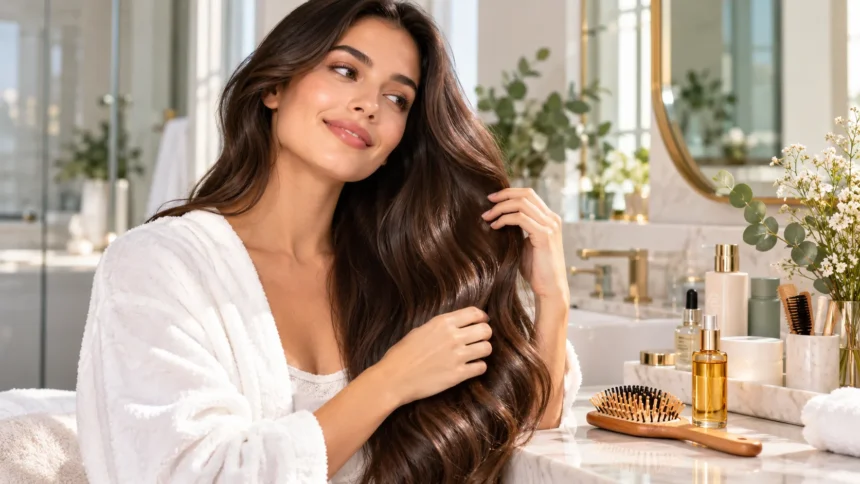
Healthy-looking hair can make a noticeable difference in your overall appearance and confidence. However, achieving smooth, shiny, and manageable hair is not always as simple as buying an expensive shampoo or following the latest beauty trend. Everyday habits, styling techniques, environmental exposure, and product choices all influence how your hair looks and feels.
If you are wondering how to make your hair look healthier, the answer begins with understanding your hair’s individual needs. Whether you have dry, oily, straight, curly, or chemically treated hair, a consistent hair care routine can improve its appearance. Small adjustments to washing, conditioning, brushing, and styling can help reduce visible damage and enhance natural shine.
You do not need complicated treatments or an overflowing collection of hair products to achieve healthier-looking strands. The most effective approach combines gentle cleansing, adequate conditioning, protection from damage, and realistic expectations. This guide explains practical ways to improve hair texture, maintain scalp health, reduce breakage, and develop habits that keep your hair looking its best.
Understand What Makes Hair Look Healthy
Healthy-looking hair is often associated with smooth texture, natural shine, flexibility, and minimal visible damage. When the outer cuticle layers lie relatively flat, they reflect light more evenly and create a glossy appearance. However, natural hair texture influences shine, and curly or coily hair may reflect light differently from straight hair without being unhealthy.
Hair appearance also depends on moisture balance, grooming habits, environmental exposure, and previous chemical treatments. Frequent bleaching, excessive heat, and aggressive brushing can make strands appear rough, brittle, or dull. Understanding these factors helps you identify whether your hair needs additional conditioning, gentler handling, or protection against everyday styling damage.
Remember that hair growing from the scalp and the visible hair shaft have different characteristics. The existing shaft cannot biologically heal itself, although conditioning products can temporarily improve its appearance and manageability. Supporting scalp health while protecting existing strands offers a practical foundation for maintaining beautiful, healthier-looking hair over time.
Identify Your Hair Type and Its Specific Needs
Before changing your hair care routine, identify whether your hair is straight, wavy, curly, or coily. Consider additional characteristics such as strand thickness, density, porosity, and scalp oiliness. These details affect how easily your hair becomes dry, absorbs conditioning products, develops tangles, or responds to common styling methods.
Fine hair may appear flat or greasy when overloaded with heavy oils and rich conditioners. Thick, curly, or coily hair often benefits from additional lubrication because natural scalp oils may not distribute evenly along every strand. Chemically treated hair can require more careful detangling and conditioning to reduce visible roughness and breakage.
Observe your hair throughout the week rather than judging its condition immediately after washing. Notice whether the roots become oily, the ends feel dry, or your strands tangle easily. These patterns can guide your product choices and help you create a personalized routine that improves appearance without adding unnecessary steps.
Choose a Gentle Shampoo That Matches Your Scalp
Using the right shampoo is one of the simplest ways to make your hair look healthier. Shampoo removes oil, sweat, environmental residue, and styling buildup that can make hair appear heavy or dull. A suitable cleanser should leave your scalp comfortable without causing excessive dryness or irritation after washing.
People with oily scalps may benefit from products designed for effective sebum removal. Those with dry or sensitive scalps may prefer gentler, fragrance-free, or moisturizing formulations. Strong cleansing ingredients are not necessarily harmful, but their suitability depends on your hair texture, washing frequency, and individual scalp sensitivity.
Apply shampoo mainly to your scalp and massage gently using your fingertips rather than scratching with your nails. Allow the lather to rinse through the lengths without aggressively rubbing the ends. Thorough rinsing helps prevent leftover product from weighing down the hair and interfering with its natural movement.
Wash Your Hair Without Stripping Away Moisture
Washing frequency plays an important role in maintaining a clean scalp and manageable hair. Shampooing too often with unsuitable products may leave some hair types feeling dry, while washing too infrequently can cause noticeable oil and product buildup. The ideal schedule depends on your scalp condition, texture, lifestyle, and styling preferences.
People with fine or oily hair may prefer daily washing or cleansing every other day. Curly, coily, or naturally dry hair often feels more comfortable with less frequent shampooing. Activities such as exercising, swimming, or working in dusty environments can also influence how often washing becomes necessary.
Use comfortably warm water instead of very hot water if heat leaves your scalp uncomfortable or your strands rough. Avoid harsh scrubbing and unnecessary manipulation during cleansing. A balanced washing routine supports scalp cleanliness while helping the lengths retain the conditioning benefits that create a softer, smoother appearance.
Condition Your Hair After Every Shampoo
Conditioner helps hair look healthier by improving softness, reducing friction, and making strands easier to detangle. Many conditioners contain ingredients that temporarily smooth the hair surface, improving light reflection and manageability. This can make dry or weathered hair appear shinier even though existing structural damage has not been permanently reversed.
Concentrate conditioner on the middle lengths and ends, where hair is usually more exposed to physical damage. Lightweight formulas work well for people concerned about flatness, while richer products may suit coarse or dry textures. Follow the instructions on the packaging to achieve the intended conditioning benefits.
After rinsing, your hair should generally feel easier to separate without excessive pulling. If it remains rough or tangled, consider whether your conditioner provides enough lubrication for your needs. Regular conditioning is a valuable habit because reducing friction during grooming may also help limit preventable breakage.
Use Deep Conditioning Masks for Dry and Dull Hair
Deep conditioning masks can improve the appearance of hair that feels particularly dry, rough, or difficult to manage. These treatments often contain concentrated conditioning ingredients, oils, and emollients that help smooth the strand surface. They may be especially useful after repeated styling, coloring, or exposure to drying environmental conditions.
Choose a mask according to your hair texture and existing damage rather than selecting the richest product available. Fine hair can become weighed down by heavy treatments, while thick or textured hair may benefit from richer formulas. Some damaged hair types respond well to suitable protein-containing products, although excessive use may cause stiffness.
Apply the treatment to clean hair according to the manufacturer’s directions and rinse thoroughly afterward. Weekly use works for some people, while others need less frequent treatment to maintain comfortable results. A well-chosen mask can temporarily improve softness, reduce tangling, and give the hair a more polished appearance.
Protect Your Hair From Excessive Heat Damage
High-temperature styling tools can affect the structure of hair fibers, making them more vulnerable to dryness and breakage. Frequent straightening, curling, and blow-drying at high temperatures may gradually increase visible roughness. Limiting unnecessary heat exposure is an effective way to maintain smoother hair and preserve its natural appearance.
When heat styling is necessary, select the lowest temperature that achieves the intended result. Apply a suitable heat protectant according to the product instructions, recognizing that it cannot prevent every form of damage. Avoid repeatedly passing hot tools over the same section, especially when the hair already feels fragile.
Consider hairstyles that complement your natural texture and require less frequent heat styling. Air-drying or using moderate airflow can reduce exposure to intense temperatures. Alternating between heat-styled looks and gentler approaches helps minimize cumulative damage while giving you more flexibility with everyday hairstyles.
Dry Your Hair Gently to Reduce Breakage
How you dry your hair can influence its smoothness, manageability, and tendency to develop frizz. Aggressively rubbing wet strands with a towel creates friction that may increase tangling and contribute to breakage. Wet hair also needs careful handling because water changes the physical properties of the hair fiber.
After washing, gently squeeze out excess moisture rather than twisting or scrubbing your hair. A microfiber towel or soft cotton T-shirt can help absorb water with relatively little friction. This technique is particularly useful for delicate curls and strands that become tangled easily during the drying process.
If you prefer blow-drying, keep the dryer moving and avoid concentrating high heat on one area. Directing airflow along the hair shaft can help create a smoother cosmetic finish. Gentle drying habits reduce unnecessary mechanical stress and make it easier to maintain healthy-looking strands between wash days.
Apply Hair Oils for a Smoother, Shinier Finish
Hair oils can temporarily improve shine by lubricating strands and reducing surface friction. Depending on their composition, some oils may also help limit certain forms of moisture-related damage. Argan oil, coconut oil, jojoba oil, and lightweight cosmetic oil blends are commonly used to enhance softness and manageability.
Choose an oil that suits your hair density and texture rather than automatically following popular beauty recommendations. Fine hair may need only a tiny amount applied to the ends. Coarse or textured hair might tolerate richer products, although excessive application can still make the hair appear greasy.
Warm a small quantity between your palms and distribute it carefully through areas that feel rough. Avoid applying heavy amounts directly to the scalp if you experience buildup or irritation. Oils work best as complementary products alongside regular cleansing and conditioning rather than substitutes for a complete hair care routine.
Trim Split Ends to Improve Hair Appearance
Split ends occur when the hair shaft becomes damaged and begins separating near its tip. These frayed sections can make hair look uneven, dry, and difficult to manage. Although trimming does not increase the biological rate of hair growth, removing damaged ends can create a smoother and more polished appearance.
The appropriate trimming schedule depends on hair length, previous chemical treatments, and styling habits. Hair exposed to frequent bleaching or heat may develop visible damage sooner than hair treated gently. Regularly examining your ends for splitting, roughness, and tangling can help determine when a trim is worthwhile.
Conditioners and hair serums may temporarily smooth split ends, but they cannot permanently reconnect damaged fibers. Cutting off the affected sections remains the most reliable solution for existing splits. Combining occasional trims with protective grooming habits can reduce further deterioration and help maintain a tidier hairstyle.
Improve Your Diet to Support Healthy Hair Growth
Hair follicles depend on adequate nutrition to support normal hair growth and maintenance. Protein, iron, zinc, and certain vitamins contribute to important processes throughout the body, including those involved in hair production. Eating a varied diet helps provide these nutrients without relying on complicated beauty supplements or restrictive eating plans.
Include protein-rich foods such as eggs, fish, beans, lentils, dairy products, or suitable alternatives. Fruits, vegetables, whole grains, nuts, and seeds contribute additional vitamins, minerals, and other beneficial nutrients. Meeting your nutritional needs supports general health and may help prevent hair problems associated with specific deficiencies.
Avoid assuming that taking large doses of hair vitamins will automatically improve hair texture or growth. Supplements are most useful when a genuine deficiency or medical need has been identified. Persistent hair thinning, unusual shedding, or changes in scalp condition deserve professional evaluation rather than uncontrolled experimentation with nutritional products.
Maintain a Clean and Comfortable Scalp
A healthy scalp provides the environment where hair follicles produce new strands. Excessive product buildup, persistent irritation, and certain scalp conditions can interfere with comfort and make hair maintenance more challenging. Gentle cleansing and appropriate scalp care support a routine that keeps roots feeling fresh and manageable.
Avoid aggressively scratching your scalp or applying multiple strong treatments without understanding the underlying concern. If you experience flakes, itching, redness, or discomfort, choose products suited to the problem. Persistent symptoms may require an anti-dandruff treatment or assessment by a qualified healthcare professional.
Scalp massages can feel relaxing, but they should be performed gently without pulling the hair. They are not a proven substitute for medical treatments for hair loss. Prioritizing scalp cleanliness and comfort supports overall hair care while reducing unnecessary irritation caused by harsh products or excessive manipulation.
Use Leave-In Conditioner to Improve Manageability
Leave-in conditioners can make hair look healthier by providing additional lubrication after regular washing and conditioning. These products often help reduce friction, tangling, and visible frizz throughout the day. They can be particularly beneficial for textured, long, dry, or chemically treated hair that needs additional help staying manageable.
Apply a suitable amount to damp hair, concentrating on sections that feel dry or tangle easily. Lightweight sprays may work well for fine hair, while creams can provide more conditioning for thicker textures. Product instructions should guide how much to use and whether application to dry hair is appropriate.
Avoid applying several leave-in products simultaneously unless your hair genuinely benefits from layering them. Too much conditioner, serum, or styling cream can cause buildup and make strands appear limp. Using a small number of effective products often creates better results than following an unnecessarily complicated routine.
Reduce Frizz With Better Styling Habits
Frizz develops when hair strands separate from the overall hairstyle, often influenced by humidity, texture, dryness, and mechanical damage. While frizz is a natural characteristic of many hair types, gentle styling can help create a smoother appearance when desired. The goal should be improving manageability rather than assuming that every visible flyaway indicates unhealthy hair.
Start by minimizing aggressive brushing and unnecessary handling throughout the day. For curly hair, detangling with suitable conditioner and tools may help preserve curl definition. Straight and wavy hair may benefit from lightweight smoothing products applied sparingly to reduce friction without creating excessive heaviness.
Humidity can also affect how hair responds to styling, particularly when moisture enters or leaves the fiber. Anti-frizz serums and appropriately formulated conditioners may help manage these changes temporarily. Selecting hairstyles that work with your natural texture can reduce styling frustration and limit the need for repeated heat exposure.
Protect Your Hair While Sleeping
Nighttime friction can contribute to tangling, frizz, and breakage when hair repeatedly rubs against bedding. Long or delicate strands may be especially vulnerable to unnecessary pulling during sleep. Making a few simple adjustments to your nighttime habits can help preserve your hairstyle and reduce mechanical stress.
A smooth satin or silk pillowcase may reduce friction compared with rougher fabrics. You can also use a loose braid, soft hair tie, or comfortable protective hairstyle to prevent excessive tangling. Avoid sleeping with tightly pulled hairstyles that create prolonged tension around the scalp and hairline.
If your hair is still wet at bedtime, avoid securing it tightly or wrapping it in a way that causes discomfort. Gently detangling beforehand may also make morning styling easier. A consistent nighttime routine can help maintain smoother strands without requiring additional expensive products or lengthy beauty treatments.
Avoid Hairstyles That Pull on Your Hair
Tight hairstyles can place repeated tension on hair strands and follicles, particularly around the hairline. Frequently wearing tightly secured ponytails, braids, buns, or extensions may contribute to breakage and traction-related hair loss. Choosing gentler styles helps protect vulnerable areas while allowing you to maintain an attractive appearance.
Pay attention to discomfort, scalp tenderness, or hairline changes after styling. Hairstyles should not create persistent pulling sensations or require excessive force to remain in place. Soft hair accessories and looser arrangements can reduce tension while still keeping strands organized during work, exercise, or everyday activities.
Alternate hairstyles when possible and avoid placing continuous pressure on the same sections of hair. If you notice thinning near the temples or along areas exposed to repeated tension, reconsider your styling habits. Early changes can help reduce ongoing damage, while persistent hair loss should be evaluated professionally.
Protect Your Hair From Sun and Environmental Damage
Environmental exposure can influence hair appearance, especially when strands experience repeated sunlight, wind, pollution, or chlorinated water. Ultraviolet radiation may contribute to color fading and deterioration of certain hair components. Wind and physical friction can also increase tangling, making hair more difficult to manage after outdoor activities.
Consider using a comfortable hat or other protective covering during prolonged sun exposure. People who swim regularly may benefit from wetting their hair before entering a pool, using suitable protective products, and rinsing afterward. These habits can reduce prolonged contact with substances that leave hair feeling rough.
Environmental protection does not require avoiding outdoor activities or using numerous specialized products. Instead, focus on reasonable precautions suited to your routine and climate. Regular conditioning, gentle detangling, and appropriate protective measures can help preserve your hair’s cosmetic appearance despite everyday exposure.
Create a Simple Daily Routine for Healthier-Looking Hair
A simple hair care routine is often easier to maintain than a complicated schedule involving numerous products. Begin by understanding your scalp condition, washing when necessary, and using conditioner regularly. Add targeted treatments only when your hair shows a clear need for additional moisture, smoothing, or styling support.
On wash days, cleanse your scalp gently and apply conditioner to the lengths and ends. Dry your hair carefully, detangle without pulling, and use suitable leave-in products when needed. Between washes, minimize unnecessary heat styling and choose hairstyles that protect fragile or easily tangled strands.
Evaluate your routine after several weeks and make adjustments according to how your hair responds. Improvements in softness, manageability, and visible shine may develop gradually as you reduce damaging habits. Consistency, suitable products, and gentle handling offer a practical approach to achieving healthier-looking hair without unrealistic expectations.
Conclusion
Learning how to make your hair look healthier begins with understanding your hair type and addressing its individual needs. Gentle washing, regular conditioning, careful detangling, and reduced heat exposure can improve smoothness and manageability. Choosing appropriate products also helps minimize unnecessary buildup and supports a naturally polished appearance.
Healthy-looking hair also benefits from balanced nutrition, comfortable scalp conditions, occasional trims, and protective styling habits. Leave-in conditioners, hair masks, and lightweight oils can provide additional cosmetic improvements when used appropriately. However, existing hair damage cannot fully repair itself, so preventing further damage remains an important part of long-term care.
Ultimately, beautiful hair does not need to be perfectly straight, completely frizz-free, or naturally glossy. Every hair texture has unique characteristics that deserve appropriate care and realistic expectations. By maintaining a gentle, consistent routine, you can improve your hair’s appearance while embracing its natural texture and individual qualities.
Frequently Asked Questions (FAQs)
How can I make my hair look healthier naturally?
Use gentle shampoo, condition regularly, reduce heat styling, and avoid aggressive brushing. A balanced diet, suitable hair oils, and protective hairstyles can also support smoother, softer, and healthier-looking strands.
How long does it take to make damaged hair look healthier?
Conditioning treatments can improve softness and manageability after one application. However, reducing breakage and growing healthier new hair takes longer, and severely damaged ends may need trimming because existing hair cannot biologically regenerate.
What makes hair look shiny and smooth?
A relatively smooth hair cuticle reflects light more evenly, creating visible shine. Conditioners, suitable serums, gentle styling, and reduced surface damage can enhance this effect, although natural hair texture also influences appearance.
Can I improve my hair without expensive products?
Yes, affordable shampoo, conditioner, gentle grooming tools, and appropriate styling habits can support healthier-looking hair. Consistent care and damage prevention are generally more important than luxury packaging or complicated treatment routines.
What should I avoid if I want healthier-looking hair?
Avoid excessive heat, aggressive brushing, tight hairstyles, harsh chemical treatments, and unnecessary product buildup. These habits can contribute to roughness, tangling, breakage, and dullness, making hair more difficult to manage.