

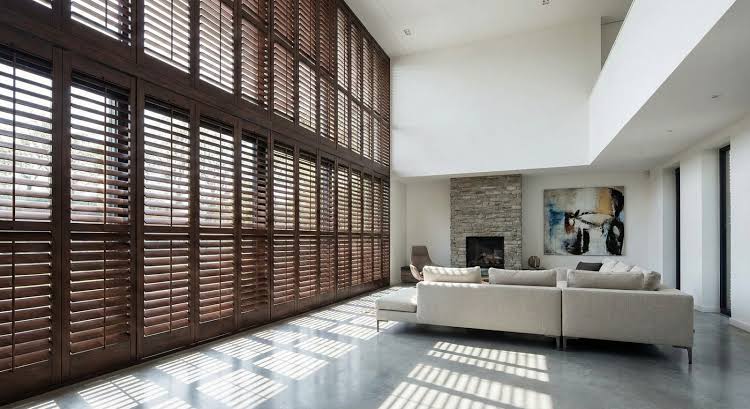
Las Vegas summers can make a comfortable room feel uneven: one corner warms up in the afternoon while another stays cool. Replacing aging windows may help reduce drafts, manage strong sunlight, and make rooms more pleasant to use. The right choices depend on your home, the direction each window faces, and how the installation is planned. This guide covers the main decisions involved in Las Vegas window installation, from choosing glass and styles to comparing estimates and caring for new windows.
How new windows can improve comfort in Las Vegas
Windows affect how sunlight, outdoor air, and noise enter a home, so their condition can influence everyday comfort. If frames or seals have deteriorated, replacement may help address some of the issues you notice indoors. The benefits depend on the window, the opening, and the quality of the work. Start by looking at what feels uncomfortable in each room.
Reduce hot spots and uneven temperatures
A sunny window can warm the area nearby even when the thermostat is set comfortably. Glass options designed to limit solar heat gain may help moderate that effect, though orientation, shading, and room layout matter too. Room-by-room observation is a useful first step: note when and where temperatures feel uneven before choosing a replacement.
Limit drafts around aging frames
If you feel air moving near a closed window, the cause may be worn weatherstripping, a poor fit, or gaps around the frame. A replacement can address the window assembly, but the installer should also assess the surrounding opening. Ask what will be inspected and how any gaps will be sealed so the work addresses more than the visible glass.
Keep indoor spaces quieter
Closed windows can soften some outdoor noise, but results vary with the glass, frame, installation, and type of sound. If traffic or neighborhood activity is a concern, mention it during the selection process rather than assuming every replacement will make the same difference. A good fit and properly sealed edges are part of the overall picture.
Make rooms more enjoyable throughout the year
Comfort is not only about the hottest part of summer. A window that is easy to operate, lets in useful daylight, and suits the room can make the space more pleasant across changing seasons. Consider how you use each room and what you would like to improve before settling on a product or project scope.
Choose windows suited to the desert climate
Strong sun and large temperature swings make it worthwhile to compare window specifications, not just appearance. Ask how a particular glass and frame combination is intended to perform, and consider the conditions at each opening. Product labels and written specifications can help you compare options on consistent terms. The best choice is the one that suits your home’s exposure and priorities.
Compare low-E glass options for intense sun
Low-emissivity, or low-E, coatings are designed to affect how heat moves through glass. Options differ, so ask for the specific performance information for the windows being quoted and how it relates to your goals. A south- or west-facing room may need a different balance of light and heat control than a shaded room.
A comparison is easier when the same measures are provided for each option. Ask the contractor to explain the figures in plain language and connect them to your window locations.
| What to compare | What it helps you assess | Question to ask |
| Solar heat gain information | How much solar heat the glass is designed to admit | Which option suits this window’s sun exposure? |
| Visible light information | How much daylight passes through the glass | Will the room still receive the light I want? |
| U-factor information | How the window transfers heat | How does this rating compare across the quoted options? |
Use the comparison as a starting point, not a substitute for considering the room itself. The appropriate balance can vary with orientation, shading, and how much daylight you want.
Consider double-pane windows for insulation
Double-pane windows have two layers of glass separated by a space, a design that can help reduce heat transfer compared with a single pane. Performance still depends on the complete window and its installation. Ask for the full product specifications and make sure the estimate identifies the glass package rather than relying on a broad label such as “energy efficient.”
Look for frames that handle heat and sun exposure
Frame material, color, construction, and exposure all affect how a window suits its location. Ask what care the material requires and whether the proposed product is appropriate for the conditions at your home. A clear product specification is more useful than a general promise about durability.
Balance natural light with solar heat gain
Bright rooms can feel welcoming, but a large sunny window may also contribute to heat buildup. Think about how much daylight you want, when direct sun reaches the room, and whether exterior shade is available. Pairing those observations with glass specifications helps you make a more considered choice.
Find the right window style for your home
Window style affects how a room looks, how the window opens, and how it fits the available space. Begin with the room’s practical needs, then consider appearance and ventilation. Some openings may have limited clearance or access, so a style that works elsewhere in the house might not be the best fit here. Confirm the dimensions and operation before ordering.
Match window operation to each room
Think about how often you expect to open a window and whether you need to reach it easily for cleaning or ventilation. Sliding, hinged, and sash-style windows operate differently, and the best fit depends on the opening and your preferences. Ask to see how the proposed style works before making a final selection.
Choose designs that support ventilation
If you like to air out a room, consider which windows can open and how much clearance they need. Also think about whether furniture, walkways, or nearby outdoor features could interfere with operation. A useful ventilation plan is one that works with the way the room is actually arranged.
Coordinate frames and finishes with your home’s exterior
A window is a functional feature, but it is also part of the home’s exterior appearance. Compare frame colors and profiles with existing trim, siding, and other visible details. If replacing only some windows, ask how the selected finish will look beside the ones that remain.
Check size and placement before selecting a style
Measurements and placement can limit which styles are suitable. Consider the sill height, nearby walls, and the direction the window opens, as well as the view and daylight. Confirm the details with the installer before the order is placed; a style choice should follow the conditions of the opening, not come before them.
Understand the Las Vegas window installation process
A well-organized window installation begins before the old windows come out. The contractor should confirm which openings are included, how the products will be fitted, and what preparation is needed inside the home. Installation methods vary with the existing construction and the project scope. Clear communication helps you know what to expect at each stage.
Measure openings and confirm the project scope
The project should start with measurements and a written record of the windows being replaced. Confirm styles, finishes, glass options, and any special conditions for individual openings. Review the estimate for what is included so that product selection and installation details are not left to assumptions.
Prepare your home before installation day
A little preparation can make it easier for workers to reach each opening and help protect items nearby. Before the scheduled work, check with the contractor about any specific instructions. Common steps include:
- Move furniture and fragile items away from the windows.
- Remove curtains, blinds, or other window coverings as requested.
- Keep pets and children away from active work areas.
- Confirm where materials and tools can be placed.
These steps help clear the work area, but the contractor should explain who is responsible for removing coverings and protecting floors. Confirming that in advance can prevent surprises on installation day.
Remove old windows and inspect the openings
After removing an old window, the installer can examine the opening and surrounding materials. If there are signs of damage or conditions that differ from what was expected, ask how they will be handled and whether the scope or price will change. It is easier to make an informed decision when the issue and proposed work are explained before installation continues.
Seal and insulate each new window properly
Fitting the window is only part of the work; the connection between the frame and opening also needs attention. Ask how the installer plans to seal and insulate that area and what parts of the process are included. Afterward, review the operation of each window and ask how to report any concerns.
Choose a qualified window installation contractor
A clear proposal and careful communication matter as much as the product selection. Take time to check the contractor’s qualifications and understand who will perform the work. Ask direct questions about the installation approach, project schedule, and support after the job. Written answers make it easier to compare proposals fairly.
Verify licensing and insurance
Ask for the contractor’s license information and proof of insurance, then verify details through the appropriate state or local resources. Confirm that the documentation applies to the business performing the work. If a subcontractor will install the windows, ask who is responsible for the job and how that arrangement is covered.
Ask about experience with local homes and climate
Ask how the contractor approaches window projects in homes like yours and what factors affect the product recommendations. A useful answer should address your specific openings, sun exposure, and priorities rather than relying on a one-size-fits-all pitch. You can also ask for references or examples of comparable work.
Review written estimates and product warranties
Read the estimate alongside the product documentation. Check that it identifies the number and type of windows, key specifications, installation work, and any exclusions. Review product and labor warranty terms separately, including who handles a service request and what conditions apply.
Confirm cleanup and post-installation support
Before agreeing to the work, ask what cleanup is included and how the contractor handles leftover materials. Confirm whom to contact if a window is difficult to operate or you notice a concern after installation. Knowing the process ahead of time makes it easier to resolve questions once the crew has left.
Plan for window installation costs and upkeep
The total cost depends on more than the number of windows. Product choices, opening conditions, access, and the work included in the estimate can all affect the project. Rather than comparing only bottom-line prices, look at what each quote covers and what could change the total. Routine care afterward can help you spot small issues early.
Identify factors that affect the project estimate
Window dimensions, glass and frame options, and the number of openings are common elements to review. The condition of the existing openings and any requested changes may also affect labor or materials. Ask which details are firm and what circumstances could lead to an added charge.
Compare product and labor details across quotes
Line-by-line estimates make it easier to compare similar work. Check that each quote covers the same openings, product specifications, removal, installation, and finishing. If something is described differently or left out, ask for clarification before deciding; a lower total may reflect a different scope.
Ask about permits and disposal fees
Permit requirements can depend on the location and nature of the project, so ask who will determine whether permits are needed and who will handle them. Also confirm whether removal and disposal of old windows are included. Putting these details in writing helps you understand the expected total.
Keep windows performing well with routine care
Follow the care instructions provided for the specific window product, and check that moving parts and locks operate as expected. Clean glass and frames with suitable methods, and keep tracks clear where applicable. If you notice a change in operation or a damaged seal, consult the product guidance or contact the installer rather than forcing a stuck component.
Conclusion
A comfortable window project starts with understanding what each room needs, then matching glass, frames, and operating styles to those conditions. Careful measurements, a clearly written scope, and qualified installation help make the process more predictable. With a little preparation and routine care, new windows can become a practical part of a home that feels more comfortable day to day.
Frequently Asked Questions
How do I know if my windows need replacing?
Persistent drafts, difficult operation, visible damage, or recurring discomfort near a window may be reasons to have it assessed. Some problems can be related to seals or surrounding materials, so an inspection can help clarify whether replacement is appropriate.
Which window glass is best for a sunny room?
The right glass depends on the room’s orientation, shading, and preference for daylight. Compare product specifications and ask how each option relates to solar heat gain and visible light.
Do double-pane windows help with insulation?
Double-pane construction can help reduce heat transfer compared with single-pane glass, but performance varies by product and installation. Review the full window specifications rather than relying on pane count alone.
How long does window installation take?
Timing varies with the number of windows, the condition of the openings, and the project scope. Ask the contractor for a schedule and how unexpected conditions could affect it.
Should I prepare my home before installation day?
Usually, it helps to clear furniture and fragile items from the work areas and follow the installer’s instructions about coverings and access. Confirm responsibilities in advance so you know what to move or leave in place.
What should a window installation estimate include?
It should identify the windows and relevant specifications, installation work, removal and disposal arrangements, and any exclusions or possible extra charges. Ask for unclear items to be explained in writing.
How should I care for new windows?
Use the manufacturer’s care guidance for cleaning and operation, keep tracks clear where applicable, and check that locks and moving parts work properly. Contact the installer if you notice a problem rather than forcing a component.