

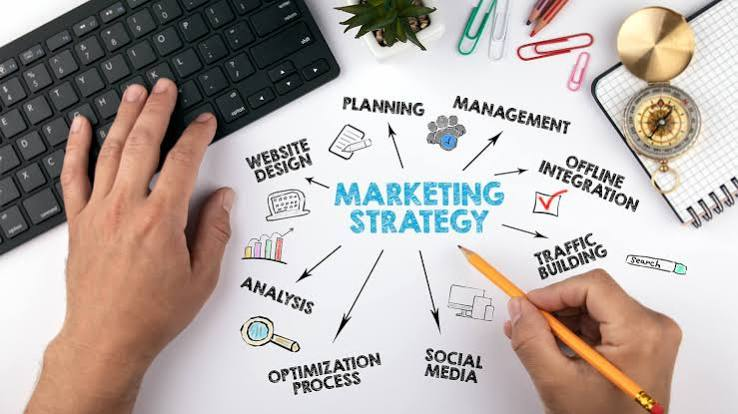
Most small business owners try everything at once. They post on Instagram, run a Google ad, print some flyers, and maybe send an email newsletter whenever they remember. A few months pass, and nothing feels like it’s working. The frustrating part is that the problem usually isn’t effort. It’s direction. Knowing which marketing activities are worth your time, and which ones are draining your budget quietly, changes everything.
This article walks through the core principles of effective small business marketing: how to choose the right channels, how to make content work harder for you, how to build an audience you actually own, and how to measure what matters. No fluff, no jargon. Just a clear-eyed look at what tends to work and why.
Why Most Small Business Marketing Underperforms
The single biggest mistake small businesses make is treating marketing as a series of one-off tasks rather than a connected system. A great Instagram post that leads to a weak website converts nobody. A smart Google ad pointing to a page that doesn’t load on mobile wastes every dollar spent. Every piece of your marketing touches every other piece, and gaps in the chain cost you customers you almost had.
There’s also a tendency to copy what larger brands do. Big companies can afford to run awareness campaigns for months before expecting a return. Small businesses rarely can. The goal at the small business level is usually to move someone from awareness to action relatively quickly, which means your messaging, your offer, and your audience targeting need to be sharper from the start.
According to a 2023 report by the U.S. Small Business Administration, roughly half of small businesses handle their own marketing without any dedicated staff or outside help. That’s not inherently a problem. But it does mean that priorities matter more than volume. Doing three things well beats doing ten things halfway.
Choosing the Right Marketing Channels
Channel selection is one of the most consequential decisions a small business makes. The right channel depends on who your customer is, where they spend time, and what kind of decision-making process leads them to buy from you. A local plumber and an online handmade jewelry shop need completely different approaches, even though both are small businesses trying to grow.
Search-Based Channels
Search engine optimization and Google Ads work best when people are already looking for what you offer. If someone types “emergency HVAC repair near me,” they have high intent and are ready to call. Capturing that kind of demand is enormously valuable. SEO takes time to build, but it compounds. Paid search delivers faster results but stops the moment your budget does. Many businesses run both in parallel: paid search for immediate leads, organic SEO as a long-term foundation.
Social Media Channels
Social media is better understood as a brand-building and relationship channel rather than a direct sales channel for most small businesses. Organic reach on platforms like Facebook has declined sharply over the past decade. Instagram and TikTok can still generate meaningful reach, especially with video content, but consistency is required. Sporadic posting rarely builds an audience. If social media is part of your plan, commit to a realistic frequency and stick to it for at least three months before evaluating the return.
Email Marketing
Email remains one of the highest-return channels available to small businesses. The Direct Marketing Association has consistently reported email return on investment figures in the range of $36 to $42 for every dollar spent, making it hard to ignore. The key advantage is ownership: your email list belongs to you, not to a platform that can change its algorithm or restrict your reach overnight. Building that list steadily, through a lead magnet, a loyalty program, or a simple signup form, gives you a reliable way to reach people who have already expressed interest in your business.
Content Marketing on a Small Business Budget
Content marketing sounds like something reserved for companies with full creative teams, but the core idea scales down easily. The goal is to produce material that answers the questions your potential customers are already asking. A landscaping company that publishes a short guide to seasonal lawn care is doing content marketing. A bakery that films a quick video showing how their sourdough is made is doing content marketing.
The value of this kind of content is threefold. It builds trust with people who find it before they’re ready to buy. It improves search visibility when it’s published on your website. And it gives you material to share across social platforms and in email newsletters, so one piece of content does multiple jobs.
Start with a simple content audit. Write down the five questions you hear most often from customers. Each of those questions is a piece of content waiting to be made. A blog post, a short video, an FAQ page, a social carousel. The format matters less than the usefulness of the answer.
Local Marketing Tactics That Still Work
For businesses that serve a specific geographic area, local marketing deserves dedicated attention. Google Business Profile is one of the most underused tools available. Claiming and optimizing your profile, adding photos, responding to reviews, and keeping your hours accurate all contribute to visibility in local search results. Many businesses claim their profile and forget about it. Treating it as an active channel makes a real difference.
Online reviews carry significant weight in local purchase decisions. BrightLocal’s 2023 Local Consumer Review Survey found that 98 percent of consumers read online reviews for local businesses. Getting a steady stream of honest reviews from satisfied customers, rather than a one-time flood followed by silence, signals credibility to both potential customers and search algorithms.
Local partnerships are underrated. Connecting with complementary businesses in your area, a florist partnering with a wedding photographer, a gym partnering with a nutritionist, can create referral flows that cost nothing but relationship-building time. These kinds of arrangements tend to produce warm leads, meaning people who arrive already predisposed to trust you.
Comparing Common Marketing Channels for Small Businesses
| Channel | Time to Results | Cost Level | Best For | Owned or Rented Audience |
| SEO | 3 to 12 months | Low to medium | High-intent search traffic | Owned |
| Google Ads | Immediate | Medium to high | Fast lead generation | Rented |
| Email Marketing | Weeks | Low | Retention and repeat sales | Owned |
| Social Media (Organic) | Months | Low (time-intensive) | Brand awareness and community | Rented |
| Social Media (Paid) | Immediate | Medium | Targeted awareness campaigns | Rented |
| Google Business Profile | Weeks to months | Free | Local search visibility | Partially owned |
| Content Marketing | 3 to 9 months | Low to medium | Trust-building and SEO | Owned |
Measuring What Actually Matters
Vanity metrics are easy to collect and easy to misread. Follower counts, page views, and impressions tell you something, but they don’t tell you whether your marketing is generating customers. The metrics that matter most connect marketing activity to business outcomes: leads generated, cost per lead, conversion rate, customer acquisition cost, and customer lifetime value.
Even basic tracking makes a difference. Knowing which channel your new customers came from helps you double down on what’s working and stop wasting time on what isn’t. Google Analytics 4 is free and powerful. Adding UTM parameters to your email and social links takes minutes and gives you clear attribution data. These tools don’t require a data team. A little setup time goes a long way.
For businesses that want a clearer picture of how their marketing efforts stack up against best practices, resources like bloomhousemarketing.com offer frameworks and guides that break down digital marketing concepts in plain language, which can be a useful reference point when you’re trying to decide where to focus next.
Review your key metrics at least monthly. Look for patterns. If a particular type of content consistently drives more conversions, make more of it. If a paid channel has a cost per acquisition that exceeds your average order value, that’s a problem worth solving before scaling spend.
Building a Marketing Rhythm You Can Sustain
Consistency beats intensity in marketing, almost every time. A business that shows up reliably with useful content, responds to reviews promptly, and sends a monthly email newsletter will outperform one that goes all-in for six weeks and then disappears. The audience you’re trying to build needs repetition to develop trust, and algorithms on both search engines and social platforms reward consistent activity.
Building a realistic marketing calendar is one of the most practical things a small business owner can do. It doesn’t need to be complicated. A simple spreadsheet with planned content, publishing dates, and responsible parties is enough to create accountability and reduce the chaos of trying to figure out what to post next.
- Pick two or three channels and commit to them fully before adding more.
- Batch content creation when possible, writing or filming multiple pieces in one session.
- Set a monthly review date to check your key metrics and adjust based on what you find.
- Repurpose content across formats: a blog post becomes a social caption becomes an email section.
- Track where every new customer comes from, even informally at first.
Small business marketing doesn’t require a big budget or a dedicated team. It requires clarity about who you’re trying to reach, honesty about where your current efforts are falling short, and the discipline to stay consistent over time. The businesses that figure this out early tend to grow steadily and spend less to acquire each new customer as their systems mature. Start with the fundamentals, measure honestly, and build from there.