

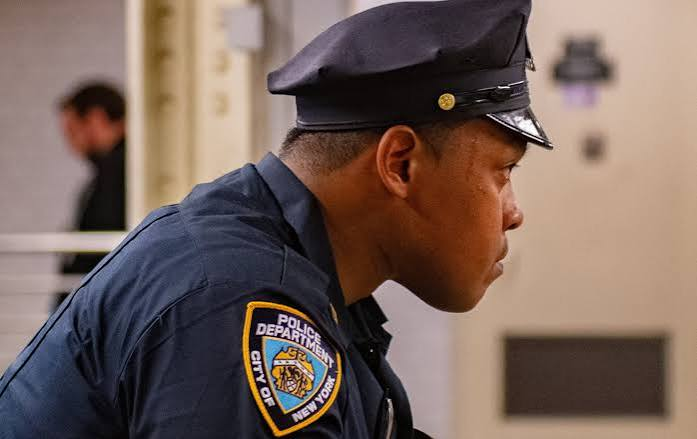
Police officers respond to car accidents, homicides, child abuse cases, and mass casualty events, sometimes several in a single shift. Then they go home, sleep a few hours, and do it again. Most people outside the profession have no real frame of reference for what that kind of repeated exposure does to the human mind over months and years. And yet, the conversation around officer mental health has only recently started to move from whispered concern to open discussion.
This article looks at the psychological weight law enforcement officers carry, why traditional mental health resources often fall short for this population, what the warning signs of crisis look like, and what kinds of support have shown real promise. Whether you are an officer, a family member, a department administrator, or simply someone who wants to understand the issue better, there is something useful here for you.
The Psychological Toll of Police Work
Law enforcement is one of the few professions where trauma is not an occasional occupational hazard. It is a built-in feature of the job. Officers are trained to stay calm under pressure, to compartmentalize, and to project authority even when they are frightened or grieving. Those skills keep them and the public safe in the moment. Over time, though, that constant suppression of emotional response takes a serious toll.
Research published by the Ruderman Family Foundation found that police officers die by suicide at a higher rate than they die in the line of duty. The study, which analyzed data from 2017 and 2018, found that officers lost to suicide outnumbered those killed in felonious or accidental on-duty deaths. That finding alone challenges the assumption that the most dangerous part of police work is the physical risk.
Chronic stress in law enforcement comes from two distinct sources. There is operational stress, which includes traumatic incidents, life-or-death decisions, and exposure to human suffering. Then there is organizational stress, which includes shift work, poor sleep, bureaucratic frustration, lack of autonomy, and feeling unsupported by leadership. Both types compound each other, and neither goes away simply because an officer clocks out.
Why Officers Avoid Seeking Help
The stigma around mental health treatment is a problem in the general population. Inside law enforcement culture, that stigma is amplified significantly. Asking for help has historically been read as weakness, and weakness is something officers are taught to conceal, both from suspects and from colleagues.
Beyond stigma, there are practical fears. Officers worry that disclosing mental health struggles could affect their badge, their firearm privileges, or their chances of promotion. Some fear that seeing a therapist connected to their department means their disclosures will not stay private. These fears are not always irrational. Departmental policies vary widely, and officers do not always know where the lines are.
There is also the issue of cultural fit. A therapist who has never worked in high-stress public safety environments may struggle to connect with an officer who has. When a clinician does not understand the operational realities of policing, officers often feel misunderstood, which tends to end treatment early.
- Fear of career consequences if mental health struggles become known
- Distrust of confidentiality within department-connected services
- Cultural stigma around vulnerability and help-seeking
- Lack of access to clinicians who understand law enforcement culture
- Irregular schedules that make consistent therapy appointments difficult
- Denial or minimization of symptoms as a coping mechanism
Recognizing the Warning Signs
Mental health struggles in officers do not always look the way people expect. Depression does not always mean crying. PTSD does not always mean flashbacks. For officers, symptoms often show up as increased irritability, emotional numbness, alcohol use, risk-taking behavior, social withdrawal, or a growing cynicism that bleeds into every area of life.
Family members are often the first to notice that something has shifted, sometimes long before the officer themselves acknowledges it. Spouses report partners becoming emotionally unavailable, hyper-vigilant at home, prone to sudden anger, or simply disconnected from family life. Children notice too, even when they lack the words to describe what they are sensing.
| Condition | How It Often Presents in Officers | Common Misconception |
| PTSD | Hypervigilance, irritability, avoidance of reminders, emotional numbness | Only affects combat veterans |
| Depression | Cynicism, fatigue, social withdrawal, increased alcohol use | Always involves visible sadness or crying |
| Anxiety | Excessive worry about safety, trouble sleeping, physical tension | Incompatible with a high-functioning career |
| Burnout | Emotional exhaustion, detachment from the job, reduced effectiveness | Just needing a vacation |
| Moral Injury | Deep guilt or shame tied to specific incidents or decisions | The same as PTSD |
Moral injury deserves particular attention. This is the psychological damage that can result when an officer does something, witnesses something, or fails to prevent something that conflicts with their core moral beliefs. It differs from PTSD in that the wound is ethical rather than purely fear-based. An officer who followed protocol but still believes the outcome was wrong may carry that as a private burden for years without ever connecting it to a diagnosable condition.
What Effective Support Looks Like
Generic employee assistance programs are often the first resource officers are pointed toward. For many, those programs are insufficient. Sessions are typically limited, clinicians may lack first responder experience, and the process of accessing care can feel bureaucratic and impersonal. Effective support for law enforcement tends to look different.
Peer support programs have shown consistent promise. When officers can talk to colleagues who have been through similar experiences and who have received some training in mental health first aid, the barrier to opening up drops considerably. Peer supporters are not therapists, but they serve as a bridge, normalizing the idea that struggling is human and that help is available.
Specialized clinical treatment is the other essential piece. Departments and individual officers increasingly recognize the value of mental health programs for law enforcement that are designed specifically around the culture, schedules, and clinical needs of this population, rather than adapted from general outpatient models.
Evidence-based treatments like EMDR (Eye Movement Desensitization and Reprocessing) and Cognitive Processing Therapy have strong track records with trauma populations, including law enforcement. What matters as much as the modality, though, is the clinician’s familiarity with policing culture and their ability to build genuine trust with a patient who has been trained to stay guarded.
The Role of Departments in Making Support Accessible
Individual willingness to seek help only matters if the environment makes seeking help safe. Departments play a significant role here. Clear written policies that protect officers who voluntarily access mental health services, adequate time off to attend treatment, and leadership that models help-seeking behavior all shift the cultural conditions that currently discourage disclosure.
Some agencies have moved toward mandatory check-ins after critical incidents, which removes the voluntary nature of the conversation and reduces the stigma attached to being singled out. When every officer who responds to a traumatic call is expected to debrief, seeking support becomes standard procedure rather than an admission of weakness.
Family Members as Part of the Equation
The psychological impact of law enforcement work does not stop at the officer. Spouses, partners, and children absorb secondary stress in real and measurable ways. Research on secondary traumatic stress shows that family members of trauma-exposed workers can develop their own symptoms of anxiety, hypervigilance, and emotional exhaustion without ever having been present at the traumatic events themselves.
Programs that include family members in the support process, whether through education, family therapy, or access to their own peer support networks, tend to produce better outcomes for the officer as well. Recovery does not happen in isolation. When a spouse understands what PTSD looks like and how to respond to it, they become an asset in the healing process rather than an unwitting obstacle.
Families also benefit from knowing what resources exist before a crisis point. Waiting until an officer is in acute distress to learn what help is available adds unnecessary delay and stress to an already difficult situation.
Shifting the Culture, One Conversation at a Time
Real cultural change in law enforcement around mental health is slow but happening. High-profile officers and retired veterans who have spoken publicly about their own struggles with PTSD, depression, or suicidal ideation have done more to normalize help-seeking than any policy memo could. Authentic voices carry weight in a community that values experience over credentials.
Training academies are beginning to incorporate mental health education into recruit curricula, which plants a different set of expectations from the start of a career. If officers learn early that managing psychological health is a professional responsibility, the idea of accessing treatment becomes less threatening over time.
None of this is simple, and none of it is fast. Police culture did not develop its current attitudes toward vulnerability overnight, and changing them will take sustained effort from officers, families, departments, clinicians, and policymakers working in the same direction. But the evidence is clear that the status quo carries a cost that is too high to keep paying, measured not just in careers lost to burnout, but in lives.