

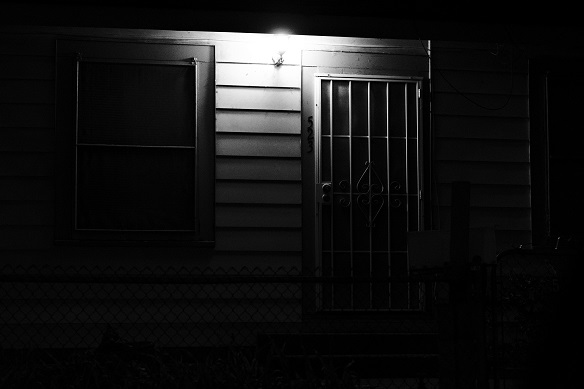
Understanding Home Security
Home security refers to the measures and systems put in place to protect a residence from potential threats, including burglary, vandalism, and other criminal activities. It encompasses a range of strategies and tools designed to create a safe living environment for families. The significance of home security is undeniable; it directly impacts the safety, wellbeing, and comfort of individuals and families within their own spaces. One primary aim of home security systems is to provide a feeling of safety and peace of mind. When families are secure in their homes, they can engage in daily activities without the looming fear of threats. A secure environment fosters a sense of normalcy, enabling individuals to focus on their personal and professional lives. In contrast, a lack of effective security can lead to heightened anxiety and distress, affecting overall quality of life.
Comprehensive home security incorporates multiple elements that work synergistically to enhance protection. Physical barriers, like secure doors and windows, form the first line of defense. High-quality locks, security screens, and reinforced doors can deter potential intruders. Beyond physical measures, technology plays a vital role in modern home security. Alarm systems, surveillance cameras, and smart home devices not only serve as deterrents but also provide families with the ability to monitor their homes remotely.
Additionally, community awareness and involvement are crucial. Engaging with neighbors fosters a sense of community vigilance, where residents watch out for one another. Active participation in neighborhood watch programs or local safety initiatives can significantly boost the security of an entire area, making it less appealing to criminal activities.
Assessing Your Home’s Security Needs
Conducting a thorough assessment of your home’s security needs is the first step towards creating a robust safety plan for your family. Start by evaluating the current security measures in place, including locks, alarms, and surveillance systems. This will provide a clear picture of any existing vulnerabilities.
Begin your security audit by examining all entry points to your home, such as doors and windows. Ensure that all exterior doors are equipped with sturdy deadbolts, and consider reinforcing weak areas with additional hardware, such as strike plates. For windows, ensure they have working locks and consider installing window security film or alarms that alert you when a window is opened unexpectedly.
Next, assess outdoor areas surrounding your property. Illuminate pathways, driveways, and entryways with bright lighting to deter potential intruders. Landscaping should also be considered; tall shrubs or trees can provide hiding spots for unauthorized individuals. Keeping foliage trimmed and minimizing blind spots will boost visibility and, subsequently, safety.
Understanding the specific risks associated with your neighborhood is crucial. Research local crime rates and speak to neighbors about recent incidents. This information can help you tailor your security measures accordingly. For instance, if burglary rates are high in your area, investing in a security system with cameras and alarms might be a priority. Similarly, engaging with a neighborhood watch program can enhance local awareness and vigilance.
Finally, regularly updating your security assessment is essential. Changes in your household, such as acquiring new valuables or experiencing changes in local crime patterns, should prompt re-evaluations of your security measures. By remaining proactive and adapting your strategy, you can significantly enhance the security of your home and the safety of your family.
Choosing the Right Security Systems
When it comes to safeguarding your home, selecting the right security system is essential. Various options are available, each with distinct features and advantages. The most common types include alarm systems, surveillance cameras, and advanced smart home technologies. Understanding these options can help families make informed choices tailored to their specific needs.
Alarm systems are traditional yet effective security solutions. They typically include door and window sensors that trigger an alert when unauthorized access occurs. Families often choose between a do-it-yourself (DIY) installation or a professionally installed system. DIY systems can be cost-effective and offer flexibility, while professional installations may provide enhanced reliability and customer support.
On the other hand, surveillance cameras play a pivotal role in modern home security. These devices monitor and record activities around the property. Families may opt for indoor cameras to oversee living spaces or outdoor cameras to monitor the perimeter. Features such as high-definition video, night vision, and motion detection significantly enhance the effectiveness of these security measures. Many cameras can integrate with smart home technology, enabling remote access via smartphones.
Smart home technology adds another layer of security. This encompasses connected devices, including smart locks, doorbell cameras, and automated lighting systems. Families can control these devices remotely, allowing for real-time monitoring and management of their home security. While the investment in smart technology may be higher, the convenience and enhanced security can justify the cost for many households.
When choosing a security system, families should consider the size and layout of their homes, as well as their specific security concerns. Whether opting for DIY systems or professional installations, ensuring the chosen system aligns with the household’s lifestyle and security requirements is crucial. Remember, effective home security is a combination of technology, strategic planning, and consistent awareness.
Securing Entry Points
One of the first lines of defense in home security involves securing all potential entry points, including doors, windows, and garages. Each entry point presents a unique vulnerability that could be exploited by an intruder. Therefore, it is essential to implement specific strategies to reinforce these access points effectively.
When it comes to doors, investing in high-quality locks is paramount. Deadbolts, for instance, significantly enhance security by requiring a key or thumb turn to open. Additionally, installing strike plates reinforces the door frame, making it harder for someone to kick the door in. Furthermore, consider using solid wood or metal doors, which can withstand more force compared to hollow-core doors.
Windows should also be fortified as they are often overlooked by homeowners. Ensure that all windows are fitted with secure locks and consider upgrading to multi-point locking systems for added protection. Utilizing security screens or bars can act as a deterrent against break-ins without compromising the aesthetic of your home. Security films can also be applied to glass surfaces, making them shatter-resistant and increasing the time an intruder would require to gain entry.
Garages often serve as a convenient entry point for burglars. To secure this area, ensure that the garage door opener is not visible from outside and that the entry door from the garage to the home is locked. Moreover, installing motion sensor lights around the garage can illuminate the space and discourage unwanted visitors.
Regular maintenance of these security measures is essential to ensure their effectiveness. Periodically check and replace locks, reinforce doors and windows, and keep security systems up-to-date. By adopting these practices, homeowners can significantly reduce the risk of unauthorized access and enhance overall home security.
Utilizing Outdoor Security Measures
Outdoor security measures play a crucial role in enhancing the safety of residential properties. By implementing effective strategies, families can deter potential intruders and create a secure environment around their homes. One of the primary elements of outdoor security is the installation of fencing. A sturdy, tall fence not only defines property boundaries but also acts as a physical barrier, making it more difficult for potential trespassers to enter the premises.
Another vital aspect of outdoor security is the use of proper lighting. Well-lit exteriors significantly reduce the likelihood of a break-in, as bright lights can discourage unauthorized access. Installing motion-activated lights around entrances, driveways, and pathways ensures that any unexpected movement is promptly illuminated. This serves to alert homeowners and passersby alike, making it a valuable addition to outdoor security measures.
Landscaping can also contribute to enhancing outdoor security. For instance, maintaining clear sightlines around the home allows for better visibility, which is essential for spotting any suspicious activity. Overgrown shrubs or tall trees can provide cover for intruders, so it is advisable to trim these plants regularly. Moreover, incorporating thorny plants along property borders can act as a natural barrier, further discouraging unauthorized access.
Finally, engaging with community safety initiatives, such as neighborhood watch programs, can vastly improve outdoor security. These programs encourage residents to collaborate on monitoring suspicious behaviors and sharing vital information regarding local crime trends. A united neighborhood not only fosters a sense of community but also enhances the overall security of the area, making it a less appealing target for potential criminals. By considering these outdoor security measures, families can effectively safeguard their homes and enhance their living environments.
Implementing Smart Home Technology
In today’s digital age, enhancing home security has become more manageable through the integration of smart home technology. This innovative approach not only provides families with a greater sense of safety but also offers convenience and control from various devices. Among the essential smart technologies, smart locks stand out as a significant improvement. These locks allow homeowners to lock and unlock doors remotely via smartphone applications, providing real-time access and monitoring capabilities. For families who often misplace keys or need to grant temporary access to visitors, smart locks can be particularly useful.
Another effective tool for bolstering home security is the installation of security cameras equipped with mobile notifications. These cameras can relay live footage to a smartphone, alerting homeowners to any unusual activity around their properties. Some models even incorporate features such as night vision and two-way audio, enabling residents to communicate with delivery personnel or potentially deter intruders.
Doorbell cameras have also gained popularity as an essential component of modern security systems. Similar to security cameras, they provide real-time monitoring and notifications whenever someone approaches the front door. The ability to see and communicate with visitors through a smart device not only enhances security but also offers peace of mind to families who may be away from home frequently.
In addition to these technologies, home automation systems play a pivotal role in creating an illusion of occupancy. By programming lights to turn on and off at specific times or using smart plugs to control appliances, families can make it appear as if someone is home, deterring potential intruders from targeting the residence. The integration of these smart home technologies into everyday life serves as a practical, effective strategy for ensuring enhanced safety and security for families.
Establishing a Family Safety Plan
Having a well-structured family safety plan is essential for ensuring the security and well-being of all household members. A proactive approach not only prepares a family for potential security incidents but also instills a sense of safety and confidence. The first step in creating a safety plan is to develop an emergency contact list. This list should include the contact information of local authorities, family members, and nearby friends who can offer assistance during an emergency. Each family member should have easy access to this list, either in physical form or stored in their mobile devices.
In addition to an emergency contact list, it is crucial to devise exit strategies for varying scenarios, particularly in cases of intrusion. Each family member should be aware of at least two exit routes from the house, which can help ensure a swift and safe escape if necessary. Conducting a walkthrough of the home to identify potential exit points can be beneficial. Once the exit routes are established, practice evacuation drills to reinforce the importance of these strategies, making it easier for everyone to act quickly and effectively during a real incident.
Regular family discussions play a vital role in enhancing awareness around security protocols. These discussions should address various potential scenarios, allowing family members to explore their feelings and thoughts about safety. It is important to assign specific roles to each individual; for example, designating a person to call for help while others focus on evacuating. Through open communication, families can ensure that every member understands the safety plan, feels comfortable executing it, and ultimately contributes to a more secure home environment. The commitment to regular practice and review of the family safety plan will help reinforce the practices established and improve the overall response during an emergency.
Educating Family Members About Security
Home security is not solely about having the latest technology; it also involves fostering a culture of safety within the family. One of the most effective ways to enhance security is by educating all family members, especially children, about essential safety measures and protocols. This training should cover various aspects of home security, ranging from recognizing suspicious behavior to responding appropriately in emergencies.
Begin by having open discussions about security. Explain the importance of being aware of their surroundings, particularly when at home or near the entrance. Children should be encouraged to notice things that seem out of place or unfamiliar. For instance, teach them to identify vehicles that linger in front of the house or individuals who appear to be loitering without a clear purpose. Encourage them to report such observations to an adult.
In addition, role-playing can be a powerful tool in this educational process. Conduct drills that simulate emergencies, such as a stranger at the door or an unknown caller. Teach family members how to respond in these scenarios, emphasizing the need to stay calm and seek help from a trusted adult. Engaging in these practices not only prepares them for real situations but also builds their confidence in handling emergencies.
Moreover, establish guidelines for safe practices when home alone. Discuss issues such as not opening the door for strangers, ensuring that all doors and windows are locked, and the importance of maintaining communication with an adult. In this digital age, educate them about online safety and not sharing personal information with strangers.
Implementing these educational measures can significantly enhance the awareness and preparedness of all family members, contributing to a safer home environment. By equipping them with knowledge and skills, families can collectively uphold a vigilant and proactive approach toward home security.
Maintaining Your Home Security System
Ensuring the effectiveness of a home security system is an ongoing commitment that requires regular maintenance and timely updates. Homeowners should prioritize routine checks of all security equipment to confirm functionality. This includes inspecting surveillance cameras for clarity, verifying motion detectors are operational, and examining door and window sensors for responsiveness. Neglecting these regular checks may result in unnoticed malfunctions, leaving the home vulnerable.
Moreover, it is essential to update passwords for smart devices regularly. Password management is a crucial aspect of home security that should not be overlooked. Many homeowners utilize multiple devices that connect to their home network, including cameras, alarm systems, and smart locks. Ensuring these devices feature strong, unique passwords and changing them periodically can significantly reduce the risk of unauthorized access. Furthermore, employing two-factor authentication when available adds an additional layer of security.
Staying informed about new security technologies and trends is also vital in maintaining home security. Security systems are evolving, and new products and services emerge frequently, offering better safety solutions. Homeowners can enhance their home security by considering technology such as advanced intrusion detection systems, smarter automation, and real-time monitoring applications. Engaging with community resources, attending home security workshops, or consulting with professionals in the security field can provide valuable insights into the latest advancements available.
Finally, it is crucial to evaluate your home security system periodically, taking into account any changes in your household or community that may impact security needs. Following these tips can help keep a home secure and ensure that the family remains protected from potential threats. By committing to regular maintenance and updates, homeowners can rest assured knowing they have taken proactive steps in safeguarding their living environment.