

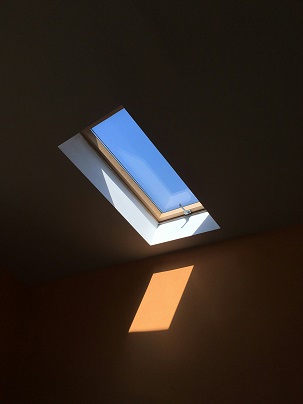
Understanding the Importance of Natural Light
Natural light plays a pivotal role in shaping the ambiance of a home. It extends far beyond mere aesthetics; scientific studies have shown that exposure to natural light has significant effects on mood and overall well-being. When we receive adequate sunlight, our bodies produce serotonin, a hormone that contributes to feelings of happiness and relaxation. This interplay between natural light and emotional health illustrates the profound impact that sunlight can have on our daily lives. Moreover, the presence of natural light can improve our physical health. Sunlight is a vital source of Vitamin D, which is essential for maintaining healthy bones, immune function, and overall bodily health. Insufficient exposure to natural light can lead to a variety of health issues, including Seasonal Affective Disorder (SAD), which is characterized by depressive symptoms during the darker months of the year. Therefore, incorporating natural light into your home environment can significantly contribute to both mental and physical health. In addition to its benefits for health and well-being, natural light also offers practical advantages regarding energy savings. By maximizing daylight in your living spaces, you can reduce reliance on artificial lighting, leading to lower electricity bills. Strategically placed windows, skylights, and reflective surfaces can amplify natural light, diminishing the need for electrical illumination during daytime hours. This efficiency is not only economically favorable but also environmentally sustainable.
Furthermore, the infusion of natural light can enhance productivity. Studies suggest that a well-lit environment leads to improved concentration and efficiency levels. This is particularly relevant in work-from-home situations, where increased exposure to natural light can foster a more efficient and invigorating workspace.
In conclusion, understanding the importance of natural light encompasses its influence on mood, health, energy efficiency, and productivity. By prioritizing natural light in home design and layout, individuals can create spaces that are not only visually appealing but also conducive to a healthier and more enjoyable living experience.
Assessing Your Current Natural Light
To effectively increase natural light in your home, it is essential to first assess the current levels of natural light available. Begin by identifying dark areas within your home that may benefit from enhanced illumination. These spaces can include rooms that feel particularly dim or lack direct sunlight. Taking note of these areas will help you determine where improvements are needed most.
Next, observe the patterns of light throughout the day. Spend some time in various rooms during different times of the day to understand how sunlight enters and how it shifts. This observation will provide insights into which spaces receive ample light and which ones remain shaded. For example, rooms that face south often receive more sunlight than those facing north due to the sun’s trajectory. Recording these observations can be particularly helpful.
Consider also the external environment that surrounds your home. The presence of tall trees, adjacent buildings, or other obstructions can significantly affect the amount of natural light entering your home. Analyze how these factors influence sunlight by looking at your property from different angles and times of day. If large trees block your windows, for instance, you may want to explore options for trimming or removing them—if permissible. Similarly, if neighboring buildings cast shadows, it may be worthwhile to reassess your landscaping strategies or window treatments to allow more light through.
Ultimately, assessing both the internal and external factors that impact natural light in your home will lay the groundwork for making effective enhancements. By understanding the dark areas, light patterns, and environmental influences, you will have a clearer vision of how to create a brighter, more inviting living space.
Choosing the Right Window Treatments
Natural light can greatly enhance the ambiance and overall feel of your home. An invaluable aspect of maximizing this light is selecting the right window treatments. Different options offer varying levels of light control while maintaining aesthetic appeal. Among the popular choices are sheer curtains, blinds, and shades, each with unique properties.
Sheer curtains are particularly effective in allowing natural light to filter through while providing a level of privacy. Made from lightweight fabrics, they soften harsh sunlight, creating a warm and inviting atmosphere. When selecting sheer curtains, consider colors and patterns that reflect light shades, as these will allow more brightness to enter your living spaces.
On the other hand, blinds are available in numerous materials, ranging from wood to aluminum. While they offer excellent control over the amount of light entering a room, it is essential to choose options that can tilt or open fully to maximize exposure when desired. For instance, vertical blinds can be adjusted to manage the angle of sunlight, while still granting the flexibility for openness when maximum light is required.
Shades, similar to blinds but usually without slats, can either block or diffuse light, depending on the chosen fabric. Roller shades in light-filtering materials are an excellent way to achieve a balance between privacy and light maximization. Furthermore, various colors and textures of shades can impact how much light is absorbed or reflected, further influencing the overall brightness of the room.
In essence, the key to increasing natural light in your home lies not only in choosing the appropriate window treatments but also in thoughtfully considering the materials and colors involved. By selecting sheer curtains, adjustable blinds, or light-filtering shades, you can create spaces that feel more open and bright while enjoying the luxury of daylight.
Paint Colors and Reflective Surfaces
The color palette of a space significantly alters how light interacts within it. Lighter tones tend to reflect more light, making a room feel brighter and more spacious. For instance, shades of white, beige, and light gray can create an airy atmosphere, enhancing the perception of natural light. These colors have the ability to bounce sunlight across surfaces, amplifying illumination throughout the space. In contrast, darker hues absorb light, which can cause areas to feel cramped or gloomy, underscoring the importance of thoughtful color selection.
In addition to selecting lighter paints, the finishes used can also play a crucial role in maximizing light reflectance. Glossy finishes, such as satin or high-gloss paints, can be particularly effective as they possess reflective qualities that enhance brightness. When walls and ceilings are treated with these finishes, they contribute to a luminous effect, allowing light to bounce off surfaces rather than being absorbed. This not only improves the overall light quality in a room but can also add a sense of elegance and sophistication.
It is worth noting that the type of lighting present in conjunction with paint color also influences the overall ambiance. Natural daylight, artificial light, and their sources can impact how colors appear and how much light they reflect. Therefore, testing paint samples in varying lighting conditions will provide a clearer understanding of how the chosen shades will perform in your specific environment. By combining strategic color choices and reflective finishes, homeowners can successfully increase the natural light making their spaces more welcoming and vibrant.
Incorporating Mirrors and Glass
Enhancing natural light is a common goal for homeowners seeking to create a brighter and more inviting environment. One effective way to achieve this is by strategically incorporating mirrors and glass surfaces within your living spaces. These reflective materials can significantly amplify sunlight, creating the illusion of a more open and airy atmosphere.
To maximize the benefits of mirrors, consider placing them opposite windows. This positioning allows the mirrors to catch and reflect incoming sunlight, effectively doubling the brightness in the room. Additionally, using large or oversized mirrors can dramatically increase the amount of light reflected, making spaces feel larger and more spacious. When selecting mirrors, opt for frames that complement your decor to maintain aesthetic harmony.
Glass surfaces also play a crucial role in enhancing natural light. Consider integrating glass doors or transparent partitions instead of solid walls. This can facilitate a seamless flow of light throughout different areas of your home. Furthermore, placing glass shelves or tables can create a sense of openness, while simultaneously reflecting light and enhancing overall illumination.
Another tip is to use glass decor items, like vases or sculptures, which can scatter light around the room. Ensuring your glass surfaces are clean and clear will optimize their effectiveness in reflecting light. It is important, however, to balance the incorporation of these materials; too many reflective surfaces can lead to a disorienting effect. Carefully selecting the placement and number of mirrors and glass items will help you achieve an inviting ambiance without overwhelming the space.
By thoughtfully incorporating mirrors and glass, you can significantly improve the natural light in your home. This approach not only enhances illumination but can also add beauty and sophistication to your interiors.
Adding Skylights and Larger Windows
Incorporating skylights and larger windows into your home can significantly enhance the influx of natural light, leading to a brighter and more inviting living space. Skylights, which are essentially windows installed in the roof, can illuminate areas that otherwise receive minimal light, especially in single-story homes. Larger windows, on the other hand, can open up walls to create panoramic views and let in ample sunlight.
When considering skylights, it is crucial to evaluate the location and angle on your roof, as these factors can influence how much light they will provide. A well-placed skylight in a north-facing roof can deliver soft, even light throughout the day, while one on the south may lead to overheating without appropriate shades or ventilation. Additionally, larger windows require careful consideration regarding their placement and size. They should align with the aesthetic of your home while maximizing exposure to sunlight.
Construction costs for installing skylights can range widely, depending on the size, type of glazing, and installation complexity. Basic models may start from around $600, while custom options can exceed several thousand dollars. Similarly, the cost of larger windows can be affected by materials (such as vinyl, aluminum, or wood) and energy efficiency ratings. It is essential to budget accordingly and gather multiple quotes from reputable contractors to ensure a fair price.
Before proceeding with any installations, it is also important to familiarize yourself with local building regulations, as certain areas may have specific codes regarding the size and placement of windows and skylights. Obtaining the necessary permits is crucial to avoid potential fines or issues during the construction process. By thoughtfully incorporating skylights and larger windows, homeowners can not only achieve better natural light but also enhance their property’s overall value and aesthetic appeal.
Using Open Spaces and Layout Adjustments
Maximizing natural light in your home can significantly enhance the living experience, creating a welcoming atmosphere and promoting well-being. One effective way to achieve this is through thoughtful adjustments in your furniture layout and the design of open spaces. These strategies not only allow for better light distribution but also create a more functional and visually appealing environment.
To begin, consider rearranging your furniture to promote a flow of light throughout the room. Identify the sources of natural light in your home, such as windows and glass doors, and adjust your furniture placements to avoid obstructing these openings. For instance, avoid placing large furniture items like sofas or chairs directly in front of windows, which can hinder the entry of sunlight. Instead, position them slightly off to the side to enable light to filter through unobstructed.
Moreover, the use of multi-functional furniture is an effective way to create open spaces. Select pieces that serve several purposes, such as ottomans with storage or foldable tables, which can be easily relocated as needed. This flexibility allows for a dynamic space that can be modified based on light availability and the time of day. Additionally, maintaining a low-profile in larger furniture pieces can also help; for instance, using sleek, low couches or glass coffee tables can minimize visual bulk, creating an airy feel that encourages light flow.
Incorporating open shelves instead of bulky cabinets can further amplify this effect, allowing light to permeate through and around items on display. By embracing a minimalist approach and selecting lighter colors for larger furniture, you can enhance the overall brightness of the space. In conclusion, through strategic furniture layout and openness in design, you can significantly increase the natural light in your home, nurturing a vibrant and uplifting living environment.
Emphasizing Indoor Plants
Integrating indoor plants into your living space can dramatically enhance the ambiance while maximizing the use of natural light. These living elements not only contribute to the aesthetic appeal of a room but also improve air quality, making them a beneficial addition to any home. The selection of indoor plants should be guided by the amount of natural light available. For areas with abundant sunlight, consider opting for succulents or cacti, which thrive under direct sunlight and require minimal maintenance.
In contrast, for spaces with lower light conditions, plants such as snake plants or pothos are ideal choices. These plants are renowned for their ability to survive in low-light environments and can add a refreshing green hue to otherwise dim areas. Additionally, incorporating plants with varying heights and leaf textures can create depth and visual interest, thereby enhancing the overall utilization of natural light in your home.
It is also crucial to position these plants strategically to maximize their exposure to natural light. Placing taller plants near windows can effectively capture sunlight, while smaller varieties can be positioned on shelves or tables where they can benefit indirectly from the light filtered throughout the room. Utilizing reflective surfaces, such as mirrors, can further amplify the natural light reaching your plants, promoting growth and vitality.
Beyond their practicality, incorporating a range of indoor plants can transform a mundane space into a vibrant environment. They serve not only as decorative elements but also as facilitators of overall well-being. With careful selection and strategic placement, indoor plants can significantly enhance your home’s ambiance while ensuring you make the most of available natural light.
Routine Maintenance and Seasonal Adjustments
Maintaining windows is a crucial aspect of optimizing natural light in your home. Regularly cleaning your windows allows for maximum sunlight to enter your living spaces. Dust, grime, and streaks can significantly obstruct light; therefore, a consistent schedule for cleaning is recommended. Depending on environmental factors, such as pollen or urban pollution, you may find it beneficial to clean your windows monthly. Utilize a non-abrasive glass cleaner and microfiber cloths to ensure a streak-free finish.
Furthermore, maintaining the integrity of your windows can enhance their performance. Inspecting for cracks or signs of wear can prevent drafts and minimize energy loss, which subsequently supports the overall climate within your home. Caulking gaps and ensuring weather stripping is intact can help retain warmth or cool air, depending on the season, indirectly influencing how light interacts with the interior spaces.
Seasonal adjustments can also play a pivotal role in harnessing natural light. During winter months, it is advisable to maximize sunlight exposure by keeping curtains and blinds open during the day. This will allow you to take full advantage of the lower sun angle. In contrast, during the hot summer months, you may wish to limit sunlight to reduce heat buildup by utilizing reflective blinds or sheer drapes that still allow some light while providing shade. Additionally, consider strategic landscaping; trimming overgrown bushes and trees in the spring can further enhance light penetration.
Overall, a routine maintenance approach combined with seasonal adjustments can significantly improve the brightness of your home. With minimal effort, you can create a light-filled environment, promoting a more comfortable and inviting atmosphere throughout the year.