

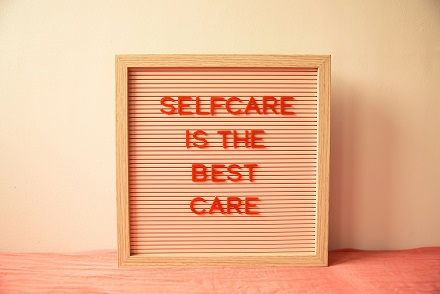
Understanding Self-Care: What It Is and Why It Matters
Self-care is often misconceived as mere indulgence or luxury, but at its core, it encompasses a range of practices and activities that individuals engage in to maintain and enhance their overall well-being. This holistic approach to health aims to balance mental, emotional, and physical domains of life. By understanding self-care as a fundamental necessity rather than a sporadic treat, individuals can more effectively integrate it into their daily routines, promoting a healthier lifestyle. The significance of self-care cannot be overstated. In today’s fast-paced world, individuals frequently face stressors that can adversely affect their mental health. By prioritizing self-care, one actively fosters resilience against anxiety and depression. Furthermore, engaging in regular self-care routines has been shown to improve cognitive function, increase productivity, and enhance emotional stability. It empowers individuals to cultivate a sense of agency over their lives, leading to more fulfilling personal and professional experiences.
Neglecting self-care can have serious ramifications. When individuals disregard their need for rest, relaxation, and rejuvenation, they are typically met with feelings of overwhelm and burnout. Chronic stress has been linked to a myriad of health issues, including cardiovascular disease and weakened immune systems, ultimately affecting one’s quality of life. It’s crucial to recognize that self-care is not selfish; rather, it is an investment in one’s health that allows for better relationships and increased capacity to handle daily challenges.
In conclusion, understanding the principles of self-care is essential for fostering a balanced lifestyle. It is a proactive and intentional effort that contributes greatly to one’s overall quality of life. By acknowledging the importance of self-care, individuals can take meaningful steps towards enhancing their well-being, ensuring that they lead healthier, more productive lives.
The Different Types of Self-Care
Self-care encompasses a range of practices that individuals can incorporate into their lives to enhance their overall well-being. It can be divided into several key categories: physical, emotional, social, spiritual, and mental self-care, each contributing uniquely to a person’s health and happiness.
Physical self-care involves taking care of the body through practices such as regular exercise, balanced nutrition, and adequate sleep. Engaging in activities like yoga, walking, or participating in sports not only improves physical health but also fosters a sense of accomplishment and improves mood. Healthy eating habits, including consuming a variety of fruits and vegetables, can significantly contribute to better energy levels and overall vitality.
Emotional self-care focuses on the emotional well-being of an individual. This can include practices such as journaling, developing self-compassion, or seeking therapy. Activities like mindfulness meditation can help manage stress and cultivate emotional resilience, allowing individuals to better navigate challenging times.
Social self-care highlights the importance of relationships and social interactions. Nurturing connections with friends and family, participating in community events, or joining clubs can have a positive impact on one’s sense of belonging and support. Engaging in social activities fosters a support system that is crucial for mental health.
Spiritual self-care can be practiced through various means such as meditation, prayer, or engaging in nature. This type of self-care allows individuals to connect with their inner selves, helping them find purpose and grounding in their lives. Practices like mindfulness and gratitude can play a central role in enhancing this connection.
Lastly, mental self-care aims at stimulating cognitive activity and reducing stress. Reading, puzzles, or enrolling in courses are effective means to keep the mind engaged. Furthermore, setting specific goals and allocating time for hobbies can foster creativity and bolster mental clarity.
Each of these types of self-care interconnects, illustrating the holistic approach needed to maintain and enhance overall well-being. The integration of diverse self-care practices into daily life ensures a fuller, more balanced lifestyle, helping individuals to thrive in their everyday environments.
Creating a Personalized Self-Care Routine
Establishing a personalized self-care routine is a vital step towards enhancing overall well-being. The first step in crafting this routine involves assessing your current self-care practices. Take the time to reflect on the activities you currently engage in and evaluate their effectiveness. Are these activities truly replenishing your energy and contributing positively to your mental and physical health? By identifying the strengths and weaknesses of your current practices, you can determine where enhancements are needed.
Next, consider areas in your life that may be lacking in adequate self-care. This could be emotional, physical, or even social aspects of your well-being. Ask yourself questions such as: Are you allocating enough time for relaxation and downtime? Do you maintain social connections that nourish you? Addressing these questions will help you better understand what improvements can be made to your routine.
Once you have evaluated your current situation and identified areas for improvement, it is time to select activities that resonate with you personally. Personalization is key in self-care routines; what works for someone else may not work for you. Choose activities that bring you joy and fulfillment. This might include exercise, art, reading, spending time in nature, or practicing mindfulness techniques. Ensure that these practices align with your interests and values, as they will be more likely to encourage regular engagement.
Consistency in implementing your self-care routine is essential; however, flexibility should not be overlooked. Life is unpredictable, and sometimes, adjustments to your routine are necessary. Striking a balance between maintaining a consistent self-care schedule and allowing for adaptability ensures that you remain committed to your routine without feeling overwhelmed. By attending to your unique Self-Care needs, you position yourself to thrive more effectively in both your personal and professional life.
Simple Daily Self-Care Practices to Incorporate
Incorporating self-care practices into daily routines can significantly enhance one’s overall well-being. Below are some simple yet effective strategies that can seamlessly fit into your day, requiring minimal time and effort.
First and foremost, maintaining proper hydration is crucial. Drinking an adequate amount of water throughout the day not only supports physical health but also improves mental clarity and energy levels. Aim for at least eight glasses a day, adjusting based on your activity level. Consider setting reminders to ensure that you consistently meet this goal.
Another quick practice to adopt is mindfulness. This can be done through short mindfulness exercises that only require a few minutes of your time. Techniques such as deep breathing or a brief guided meditation can effectively reduce stress and improve mental focus. Even dedicating five to ten minutes each day to these practices can yield positive results over time.
Incorporating stretching exercises into your day can also be beneficial, especially for those who spend long hours seated. Simple stretches can alleviate tension and improve circulation. Try to include a few stretches in the morning or during breaks throughout the day to maintain flexibility and enhance physical comfort.
Lastly, journaling can serve as a powerful self-care practice. Taking a few minutes at the end of each day to reflect on your experiences can help process emotions and reinforce gratitude. Writing down thoughts, feelings, and insights can provide clarity and insights that contribute to personal growth.
By adopting these simple yet impactful strategies, individuals can foster a more mindful and balanced lifestyle. These self-care practices are designed to be easily incorporated into daily routines, ultimately promoting mental and physical well-being.
The Role of Mindfulness in Self-Care
Mindfulness, the practice of maintaining a moment-by-moment awareness of thoughts, feelings, bodily sensations, and the surrounding environment, plays a pivotal role in self-care. It embodies being present and fully engaged with whatever is happening without distraction or judgment. Integrating mindfulness into self-care routines can bring about significant benefits for mental health, effectively reducing stress and enhancing overall well-being.
Various mindfulness techniques, such as meditation and deep breathing exercises, have gained recognition for their ability to facilitate relaxation and improve focus. For instance, engaging in regular meditation sessions allows individuals to develop their inner awareness, ultimately leading to improved emotional regulation and resilience against stressors. Deep breathing techniques are particularly beneficial, as they can induce a state of calmness by triggering the body’s natural relaxation response, thereby lowering levels of anxiety and tension.
The incorporation of mindfulness into daily life does not require extensive time commitments or elaborate setups. Simple practices, such as mindful walking, can easily be integrated into one’s routine. During a walk, focusing on the sensations of each step and the environment—such as the sound of leaves rustling or the warmth of sunlight—can transform an ordinary activity into a mindful experience. Additionally, one might consider setting aside a few minutes during the day for breathing exercises, which can serve as a mental reset.
Incorporating mindfulness as a self-care practice encourages individuals to cultivate a greater sense of self-awareness and inner peace. This enhanced awareness helps to identify stressful triggers and emotional responses, leading to healthier coping strategies. Emphasizing mindfulness not only aids in managing life’s challenges but also promotes a deeper connection with oneself and enhances overall quality of life.
Self-Care for Better Relationships
Engaging in self-care practices is essential not only for personal well-being but also for nurturing and enhancing relationships with others. When individuals prioritize their own mental, emotional, and physical health, they often find themselves more capable of being present and engaged in their interactions. This presence fosters deeper connections with loved ones, allowing for more meaningful communication and shared experiences.
One of the key aspects of self-care is recognizing the importance of setting healthy boundaries. By establishing limits that protect one’s own time and energy, individuals empower themselves to engage more fully with those around them. It is crucial to communicate these boundaries clearly and compassionately, ensuring that loved ones understand the reasoning behind them. This not only shows respect for oneself but also for the relationship in question. Healthy boundaries prevent feelings of resentment and burnout, enabling individuals to give and receive affection more freely.
Effective communication of needs is another pillar of self-care that significantly impacts relationships. When individuals take the time to understand their own feelings and perspectives, they can articulate these needs to others without blame or expectation. An open dialogue about personal goals, emotions, and preferences invites collaboration in relationships and fosters an environment where both parties feel valued and supported. Practicing active listening is equally important; it demonstrates genuine interest in the other person’s feelings and promotes an atmosphere of mutual respect.
Ultimately, prioritizing self-care leads to healthier and more fulfilling relationships. By taking care of oneself, individuals position themselves to engage more authentically with others, creating a cycle of care that enhances both individual well-being and interpersonal dynamics.
Overcoming Common Barriers to Self-Care
Many individuals encounter barriers that impede their ability to prioritize self-care. These obstacles can manifest as time constraints, feelings of guilt, or a lack of motivation. Understanding and addressing these barriers is essential in fostering a consistent self-care routine.
Time constraints often become a significant hurdle. In today’s fast-paced society, individuals frequently juggle multiple responsibilities, leaving little room for self-care activities. However, it is important to recognize that self-care does not always require large time commitments. Even allocating short periods, such as 10-15 minutes per day, can be beneficial. Incorporating brief moments of mindfulness, stretching, or simple breathing exercises into daily routines can significantly enhance well-being without demanding extensive time. It can help reshape the perception that self-care is an excessive luxury.
Many people also struggle with feelings of guilt when they consider taking time for themselves. This guilt often stems from societal pressures or internalized beliefs that one should always prioritize others’ needs over their own. To combat this, it is crucial to understand that self-care is not selfish; rather, it is essential for maintaining one’s physical and emotional health. Encouraging a mindset shift that views self-care as a vital component of productivity can alleviate some of this guilt. Engaging in self-care ultimately equips individuals to better support others.
A lack of motivation can be another barrier to practicing self-care. It may manifest as a sense of inertia when faced with the prospect of starting a new routine. Finding activities that resonate on a personal level or seeking social support can inspire motivation. Joining a class, finding an accountability partner, or exploring community resources can provide valuable encouragement and create a conducive environment for self-care. Overall, recognizing and addressing these common barriers is crucial in making self-care a priority in everyday life.
Integrating Self-Care into Your Lifestyle
Integrating self-care into your daily life is essential for promoting overall well-being and mental health. Rather than viewing self-care as an isolated activity to be performed occasionally, it should be perceived as a fundamental aspect of a healthy lifestyle. This shift in perspective encourages a more holistic approach to self-care, ensuring that individuals prioritize their needs consistently amidst their hectic routines.
A practical way to incorporate self-care into your life is by establishing a routine that includes various self-care practices, such as physical exercise, adequate rest, and mindfulness techniques. Start with small steps, such as dedicating a few minutes each day to meditation or engaging in light physical activity. As you integrate these practices into your day, they will gradually become a seamless part of your lifestyle.
Maintaining motivation is crucial for the sustainable integration of self-care. To foster this motivation, consider setting achievable goals and tracking your progress. Celebrate small victories to reinforce your commitment. Additionally, it can be beneficial to share your self-care journey with friends or family who can provide support and encouragement. This social aspect not only enhances motivation but also helps create a positive environment that values self-care.
Moreover, self-care routines should be flexible and adaptable to life’s changes. As work commitments, family responsibilities, or personal challenges evolve, it is essential to reassess and adjust your self-care practices accordingly. Embrace the idea that self-care may look different at various stages of life; what is crucial is maintaining a focus on your overall well-being. Remember that prioritizing self-care is not a sign of selfishness, but rather a vital investment in your mental and physical health.
Conclusion: The Lifelong Journey of Self-Care
As we conclude our exploration of self-care practices, it becomes evident that self-care is not merely a checklist of activities to be completed; rather, it is an ongoing journey that requires commitment and attention. The habits discussed throughout this blog remind us that taking care of ourselves is crucial in today’s fast-paced environment. Engaging in effective self-care enables individuals to better navigate daily challenges while enhancing overall well-being.
Throughout this journey, starting small is fundamental. It is important to incorporate manageable self-care rituals into your daily routine. These could be as simple as dedicating a few moments for mindful breathing or enjoying a quiet cup of tea in the morning. By gradually integrating more self-care acts into your life, you create a sustainable practice that fosters both physical and emotional health.
Additionally, these practices extend beyond the individual, positively influencing the lives of those around you. When you prioritize self-care, you cultivate a more balanced and positive mindset, which can enhance your relationships and create a supportive environment. Your improved well-being radiates outward, encouraging family, friends, and colleagues to adopt their self-care strategies as well.
Ultimately, the journey of self-care is one of continuous learning and adaptation. It invites you to explore new strategies that resonate with you and to redefine what self-care means as your life circumstances evolve. Embracing this lifelong practice empowers you to lead a more fulfilling life, underscoring that self-care is essential, not self-indulgent. As you embark on or continue your self-care journey, remember that even the smallest steps can lead to significant transformations over time.