

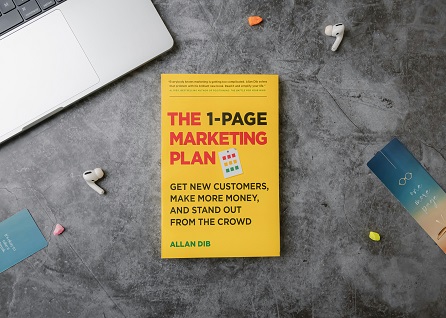
In any business endeavor, identifying and understanding your target market analysis is a crucial step for success. Having a clear understanding of your ideal customers allows you to tailor your marketing strategies effectively, ensuring you meet their specific needs and desires. This understanding can accelerate the process of acquiring your first 100 customers. To begin defining your ideal customer, consider demographic factors such as age, gender, income level, education, and geographical location. Additionally, psychographics, which delve into personality traits, lifestyles, and interests, can provide deeper insights into what motivates your target audience. Understanding these aspects helps you create more relevant marketing messages that resonate with potential customers.
Research is another vital part of this process. Various methods, including surveys, interviews, and focus groups, can be employed to gather data directly from potential customers. In addition to direct feedback, analyze existing market research reports, competitor strategies, and online consumer behavior trends. These collective insights can save time and enhance your understanding of market demands.
Creating customer personas is an effective way to synthesize this information into actionable insights. These personas are fictional representations of your ideal customers based on real data and can include various attributes such as goals, challenges, and preferences. By developing these detailed profiles, you can prioritize product features, design marketing campaigns, and outreach strategies that directly address the needs identified in your research.
By thoroughly understanding your target market, you can not only refine your product or service offering but also create a targeted marketing strategy that speaks directly to your ideal customers, thereby facilitating the process of reaching your first 100 customers efficiently.
Crafting an Irresistible Offer
Creating an offer that resonates with your target market is critical in attracting your first 100 customers. To achieve this, you must first understand the core problem your product or service solves for potential customers. Conducting market research can shed light on consumer needs, preferences, and pain points, which will guide the development of your offering. By addressing these specific concerns with clear and actionable solutions, your message will resonate more profoundly with the audience.
Another key aspect of crafting an irresistible offer is showcasing the value of your product or service. This goes beyond merely listing features; it involves communicating the tangible benefits that customers will experience. Structured storytelling can be an effective tool here, as it allows you to create a connection with your audience. Highlight the experiences of early users, share testimonials, or present case studies that demonstrate how your offering has positively impacted their lives. Such narratives add depth to your value proposition and help in fostering trust.
Pricing strategies also play a significant role when it comes to enticing your initial customer base. While setting a price, consider using psychological pricing techniques that encourage purchase decisions, such as pricing something at $9.99 instead of $10. Another effective method is to offer tiered pricing plans, which cater to different budgets and preferences. Special promotions, such as discounts for first-time buyers or referral rewards, can further entice potential customers and encourage them to act quickly.
Ultimately, the combination of a strong understanding of customer needs, a compelling narrative that underscores value, and thoughtful pricing and promotional strategies forms the crux of an irresistible offer. Through these elements, businesses can effectively attract and onboard their first 100 customers swiftly.
Leveraging Your Network
Building a customer base from scratch can be a daunting task, but leveraging your existing network can significantly expedite this process. Your personal connections, whether friends, family, or acquaintances, can serve as valuable support and resources to help you gain your first customers. To begin this journey, reach out to your immediate circle and share your business idea. Personal endorsements often carry immense weight; when your friends and family believe in your product or service, they can become your first advocates.
Furthermore, social media platforms provide an excellent avenue for tapping into your network. By creating dedicated business profiles on channels such as Facebook, LinkedIn, and Instagram, you can connect with a broader audience beyond your immediate circle. Regular updates about your offerings, engaging content relevant to your industry, and behind-the-scenes glimpses can spark interest and encourage engagement. Invite existing connections to follow your business accounts, and utilize their networks to gain visibility. This is particularly effective, as individuals are more likely to engage with brands that come recommended by someone they know.
Additionally, consider asking for referrals from your network. Encourage satisfied contacts to spread the word about your business to their friends or colleagues. Implementing a referral program can further incentivize this word-of-mouth marketing. Offering incentives in exchange for referrals can transform your personal connections into active promoters of your brand.
In essence, your existing network serves as a foundational platform from which you can generate initial customer interest and engagement. By reaching out, utilizing social media, and fostering a referral culture, you can effectively leverage these relationships to rapidly build your customer base.
Utilizing Social Media for Promotion
In today’s digital landscape, social media platforms serve as essential tools for acquiring your first customers. The ability to reach a broad audience quickly and cost-effectively makes social media strategies an integral part of any customer acquisition plan. To maximize engagement and reach, it is crucial to craft compelling content that resonates with your target audience.
One effective approach is to utilize various formats such as images, videos, infographics, and stories that highlight your products or services. Highlighting user-generated content can also build community engagement and cultivate trust among potential customers. In addition to organic posts, incorporating social media ads can significantly amplify your reach. Platforms like Facebook, Instagram, and Twitter offer targeted advertising options that allow you to tailor your campaigns based on demographics, interests, and behaviors.
Creating consistency in your messaging across all social media channels is equally important. By maintaining a cohesive brand voice and visual style, you enable potential customers to recognize your business easily. Additionally, leveraging relevant hashtags can expand your visibility and attract users who may not be familiar with your brand yet.
Monitoring and measuring success is vital to refining your social media efforts. Utilize analytics tools provided by each platform to gain insights into engagement rates, audience demographics, and the effectiveness of ads. Such data will inform future strategies and help you adapt your campaigns for better performance. Continuous evaluation of your social media approach will ensure that you are not only reaching potential customers but also engaging them in a meaningful way.
Engaging in Community and Networking Events
Attending community and networking events is a vital strategy for businesses striving to secure their first 100 customers quickly. These gatherings provide an ideal environment for connecting face-to-face with potential customers, thereby fostering relationships that could lead to increased loyalty and sales. By actively participating in local events, startups can promote their products and services directly to their target audience, gaining invaluable feedback in the process.
Engagement in community events also enhances a business’s visibility, contributing to brand recognition. When people see a brand represented at local fairs, workshops, or meetups, it creates a sense of trust and familiarity. This connection can be critical, especially for new businesses that need to establish themselves within the community. Additionally, being present at these events allows entrepreneurs to showcase their offerings, participate in discussions, and even address potential customer inquiries in real time.
Moreover, networking events provide an excellent opportunity to forge collaborations with other businesses and professionals. For instance, partnering with complementary brands can lead to cross-promotions, enabling each business to reach a wider audience. Engaging with influencers or thought leaders at these gatherings can also elevate a brand’s credibility and reputation within the industry.
Building relationships at these local events should be approached with authenticity. Engaging in conversations, showing genuine interest in other people’s stories, and following up with contacts post-event can strengthen these budding connections. Small gestures, such as exchanging business cards or connecting on social media, can ensure that your business stays on their radar. Overall, community and networking events are not only about direct sales but also about relationship-building, which is indispensable for sustainable growth and acquiring your first 100 customers efficiently.
Partnering with Other Businesses
Forming strategic partnerships with complementary businesses can be a highly effective way to gain your first 100 customers quickly. Such alliances allow you to leverage the existing customer base and brand credibility of another company while expanding your outreach at a minimal cost. Identifying potential partners is a critical step in this process. Look for businesses that share a similar target audience, but do not offer competing products or services. For instance, a fitness studio could partner with a local health food store to reach health-conscious consumers.
Once potential partners are identified, it is essential to approach them with a clear value proposition. Articulate how the partnership can be mutually beneficial. This can be achieved through various strategies such as cross-promotions, co-hosted events, or bundled offerings. For example, both businesses can offer a discount to customers who shop at both locations. This not only incentivizes customers to visit both establishments but also fosters goodwill between the businesses involved.
To ensure a smooth partnership, it’s advisable to structure your agreements carefully. Draft a formal agreement outlining each party’s contributions, responsibilities, and expected outcomes. Consider setting specific goals, such as customer acquisition figures, to measure the effectiveness of the partnership. Additionally, maintaining open communication throughout the partnership is essential to address any issues that may arise and to enhance collaborative efforts.
By partnering with complementary businesses, you can accelerate your customer acquisition process significantly. This method harnesses the power of shared resources and audiences to create a win-win situation for all parties, allowing you to independently scale your customer base more effectively and swiftly.
Implementing an Email Marketing Campaign
Email marketing has emerged as a vital tool for businesses aiming to engage and convert potential customers. It provides an effective channel to nurture leads, build relationships, and bolster sales. To successfully implement an email marketing campaign, one must begin by building a robust email list. This involves collecting addresses from various sources, such as website sign-ups, social media channels, and networking events. Clearly communicating the value of joining your email list—whether through exclusive offers or informative content—can significantly enhance list growth.
Once you have built a substantial email list, the next step is to craft engaging newsletters that resonate with your audience. The content of these newsletters should be informative, relevant, and compelling enough to prompt action. Personalization can further enhance engagement. Tailoring emails according to the subscriber’s interests, preferences, or previous interactions can lead to higher open and click-through rates.
Furthermore, employing effective subject lines is crucial. A captivating subject line can pique curiosity and encourage recipients to open the email. A/B testing different subject lines can help determine which styles yield the best results, ensuring your campaign is both effective and efficient.
Ultimately, the goal of an email marketing campaign is to convert leads into paying customers. To facilitate this process, clear calls to action (CTAs) should be included within your newsletters. Whether it’s encouraging a purchase, signing up for a webinar, or accessing exclusive content, well-positioned CTAs can direct subscribers toward the next step in their customer journey. By continuously analyzing campaign performance and customer responses, businesses can refine their email marketing strategies, leading to more successful customer acquisition efforts.
Offering Free Trials or Samples
In today’s highly competitive market, attracting potential customers can be a challenging task. One effective strategy that businesses can employ is offering free trials or samples of their products or services. This approach not only piques the interest of potential customers but also provides them with the opportunity to experience the value of the offering firsthand, facilitating easier customer acquisition.
The psychology behind free offers is rooted in the principle of reciprocity. When customers receive something at no charge, they often feel an implicit obligation to reciprocate in some way, whether by making a purchase or promoting the brand to others. By providing a free trial or a sample, businesses effectively lower the barrier to entry, allowing potential customers to overcome skepticism and take the first step towards engagement.
Moreover, offering free trials or samples can serve as a powerful marketing tool that enhances brand visibility. It encourages word-of-mouth promotion, as satisfied customers share their positive experiences with others within their social circles. This organic promotion can significantly expand the reach of a business, effectively increasing the chances of acquiring the first 100 customers faster.
From a practical standpoint, businesses should consider creating a structured approach to their free offers, delineating clear terms and conditions that encourage conversion to paid customers after the trial period. This strategy provides not only a risk-free experience for the customer but also sets the stage for ongoing relationships that can lead to repeat business and customer loyalty.
In summary, offering free trials or samples is a proven strategy that taps into psychological principles to attract new customers. By thoughtfully implementing such initiatives, businesses can expedite their customer acquisition process, paving the way toward sustained growth and success.
Collecting Feedback and Testimonials
Gathering feedback and testimonials from your initial customers is an essential strategy for building a successful business in its early stages. Through their experiences, first customers provide invaluable insights that can guide you in refining both your products and services. This feedback helps you identify strengths and areas for improvement, making it crucial to collect data systematically.
To effectively gather feedback, consider implementing various methods such as surveys, one-on-one interviews, or feedback forms. These approaches allow customers to share their thoughts openly about their experiences with your brand. Keep the questions direct and simple; those who have recently interacted with your offerings are more likely to provide constructive criticism that aids in your development.
In addition to improving your services, positive feedback can translate into powerful testimonials. Potential customers often seek validation before making purchasing decisions, and authentic testimonials can serve as essential social proof. By showcasing the positive experiences of your initial users, you can create trust and credibility around your brand. Ensure you obtain permission from customers before sharing their testimonials publicly, either on your website or marketing materials.
Utilizing their feedback not only enhances your offerings but also fosters relationships with your initial customers. Engaging them in your improvement process shows that you value their opinions, potentially leading to greater loyalty and increased chances of referrals. As your business grows, these testimonials will prove instrumental in your marketing strategy, encouraging new customers to take a leap of faith into your offerings.
In conclusion, collecting feedback and testimonials is a fundamental step toward understanding the needs of your audience and improving your business. By integrating this feedback loop, you can create a more customer-centric approach that leads to increased satisfaction and, ultimately, success.