

Ask anyone to plan a celebration and the conversation usually starts with the venue, the guest list and the budget. Flavour tends to arrive last, picked in a hurry from whatever looks prettiest on the page. Yet when people talk about a party the following week, the food is often the first thing they mention, and a cupcake that landed well is remembered far longer than the colour of the napkins.
Choosing flavours well takes less effort than most hosts expect. A few questions about the people and the occasion do most of the work, and the right answers tend to follow quickly once those questions are asked.
Read the Room Before You Read the Menu
The most useful starting point is the guest list. A gathering of children, a mixed office team and a table of grandparents will each reach for something different, and no single flavour wins all three. Think about the age range, how adventurous the group tends to be, and whether anyone has strong views about sweetness. A crowd with a wide spread of ages usually does best with familiar flavours at the centre of the box and one or two surprises around the edges.
Personal taste deserves a seat at the table too, though not the head of it. A host who loves salted caramel can include it, as long as it sits alongside choices that suit the wider group. A good mix reflects the guests first and the host second.
The time of day shapes the choice as well. A morning tea sits well with lighter, brighter flavours and a coffee cupcake for the people already holding a cup. An afternoon gathering can handle something richer. An evening celebration, after a proper meal, often calls for small, intense flavours because nobody wants to feel heavy.
How people will eat matters more than hosts expect. Guests standing with a drink in one hand want something tidy that holds together in a few bites. Seated guests have time for a messier, more indulgent flavour. Picturing that scene before ordering saves a great deal of napkin-related regret.
The Flavours That Rarely Divide a Room
Some flavours earn their reputation by being liked across almost every group. Vanilla bean is the obvious one: warm, familiar and a natural partner for coloured buttercream, it suits every occasion and rarely draws a complaint. Chocolate cream does the same job for those who want something richer, and it tends to be the first flavour to disappear from a mixed box.
Caramel adds a little depth and sits comfortably between the two, with enough sweetness to feel like a treat and enough roundness to please adults who claim not to like sweet things. Lemon curd is the one that surprises people. Its brightness cuts through the richness of buttercream and gives guests a lighter option, which is often the cupcake people go back for a second time.
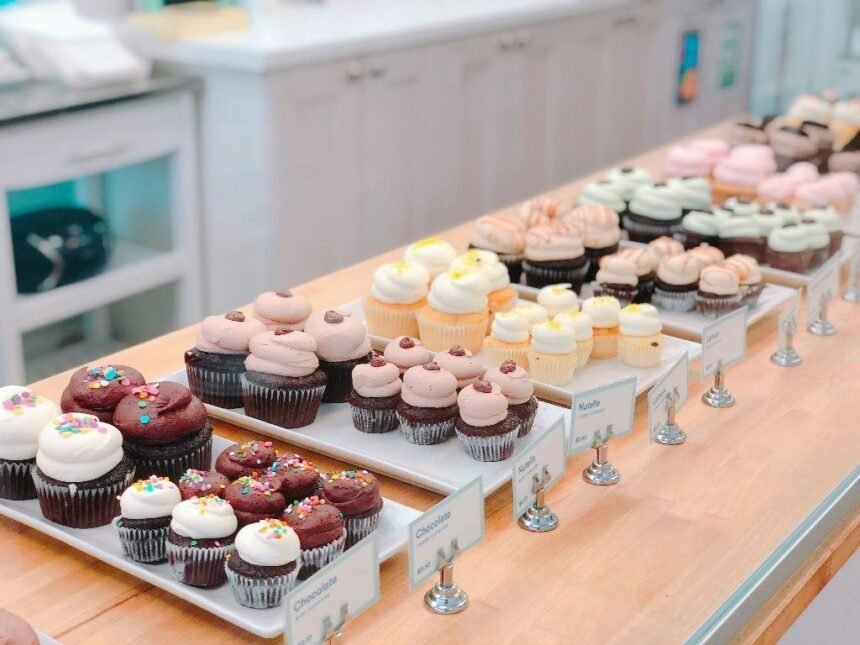
Bakeries that bake from scratch each morning, such as The Cupcake Room, build their range around flavours like these, with coffee and cookies and cream available for guests who like something a little more distinctive. For a host who cannot predict the crowd, a mixed box covering several flavours is the safest way to plan, because it spreads the risk across the table and lets guests choose for themselves.
Colour and flavour work together too. A pale vanilla bean cupcake with pastel buttercream suits a daytime gathering, while a deep chocolate cream with darker decoration feels at home in the evening. Matching the look to the taste means the box looks planned from the first glance.
Matching Flavour to the Mood of the Day
Different celebrations carry different moods, and the flavours that suit them shift accordingly.
Birthdays lean playful. Chocolate cream, cookies and cream and caramel feel generous and a little nostalgic, which fits a day built around being looked after. Baby showers tend to suit softer, lighter choices, with vanilla bean and lemon curd working well alongside pastel decoration. Weddings and engagement parties reward restraint. Two or three well-chosen flavours, presented consistently, look more considered than a long list, and vanilla bean with a chocolate option covers most guests without fuss.
Office celebrations have their own logic. People are often eating between meetings, so tidy, familiar flavours work best, and a coffee cupcake earns its place in a workplace more reliably than almost anywhere else. Farewells and milestone gatherings are the occasion to include a flavour with a story, perhaps the one the guest of honour always chose, because a small personal touch carries more than an elaborate display.
Seasons help as well. Summer gatherings favour citrus and cool, light flavours, while winter calls for caramel, coffee and chocolate. Across every occasion, a balance of one rich flavour, one light flavour and one familiar favourite is a dependable formula.
Making Sure Everyone Can Join In
Flavour is only part of the decision, because a cupcake that a guest cannot eat does nothing for them at all. Dietary needs are common enough now that most gatherings include at least one person who has to ask what is in the food.
Nut allergies are the most serious of these, and a kitchen that is entirely nut free removes the question for everyone at once, so a parent can hand a cupcake to a child without checking a label. Gluten-free options matter just as much for the guests who would otherwise watch the rest of the table eat. When most of a bakery’s range comes with a gluten-free version, a host can order a single flavour mix and know that nobody is handed a separate, lesser alternative.
Asking guests about dietary needs when the invitation goes out takes a minute and spares everyone an awkward conversation on the day. The best celebration food is the kind where the whole table is eating the same thing at the same moment, and choosing flavours with that in mind turns a good spread into a generous one.