

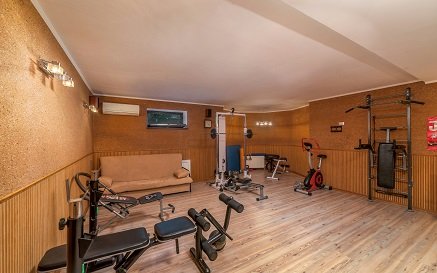
To optimize athletic performance, it is crucial to acknowledge the unique physical and fitness requirements that vary across different sports. Each sport demands specific skills and attributes such as strength, agility, endurance, flexibility, and effective recovery strategies. Understanding these needs can significantly enhance how athletes approach their training, particularly when it comes to home workouts.
Strength is a fundamental requirement for many sports, as it directly correlates with performance outcomes. For instance, football players may prioritize building lower body strength through exercises like squats and lunges, while basketball players may focus on upper body strength and explosive movements. Home workouts can be tailored to incorporate weightlifting equipment or resistance bands, allowing athletes to develop the muscle power necessary for their specific sport.
Agility and coordination are paramount in sports such as tennis and soccer. These athletes often need to change direction rapidly, and home workouts can include plyometric drills and agility ladders to enhance these skills. Such dynamic exercises can be executed effectively in a limited space, making them ideal for home settings.
Endurance is another critical component, especially for long-distance runners and cyclists. Cardiovascular conditioning can be achieved through interval training, circuits, and aerobic workouts tailored to enhance stamina. At home, players can utilize jump ropes, running in place, or HIIT sessions to maintain or build endurance.
Flexibility and recovery training are equally vital, as they aid in preventing injuries and improving performance. Integrating yoga or stretching routines in a home workout regimen allows athletes to enhance their flexibility and facilitate faster recovery. By focusing on sport-specific training using home workouts, athletes can effectively meet their unique fitness needs and improve overall performance.
Key Components of Effective Home Workouts
For sports players seeking to maintain their fitness levels or enhance their performance, an effective home workout regimen should encompass several key components. Firstly, a balanced approach should include strength training, cardiovascular activities, and flexibility exercises. Each of these types of workouts plays a critical role in promoting overall fitness and specific skills necessary for various sports.
Strength training is vital for building muscle and improving endurance, which can translate into better athletic performance. Bodyweight exercises such as push-ups, squats, and lunges can be effectively employed, requiring minimal to no equipment. For those with access to weights or resistance bands, incorporating these tools can further enhance strength development.
Cardiovascular workouts are equally important. Activities such as jogging in place, high-intensity interval training (HIIT), or even dance can elevate heart rates and enhance stamina. Engaging in consistent cardio workouts not only improves endurance but also aids in recovery, allowing athletes to perform better during their sporting activities.
Equally crucial is the incorporation of flexibility training, which includes stretching exercises that improve overall range of motion and reduce the risk of injury. Practicing static and dynamic stretches can ensure that muscles remain supple and responsive, facilitating better movement and agility in sports.
The structure of a workout is also important to maximize effectiveness. Typically, a warm-up session lasting 5-10 minutes should precede any workout to prepare the body for exercise. Conversely, a cool-down phase of similar duration should follow the main workout to facilitate recovery. By ensuring these elements are present, sports players can create a comprehensive and effective home workout routine.
Top 5 Home Workouts for Different Sports Disciplines
Home workouts have become an essential part of training routines for sports players across various disciplines. These workouts help maintain fitness, improve skills, and boost overall performance without the need for specialized equipment. Below are five effective workout routines tailored for specific sports, each focusing on key fitness aspects relevant to the discipline.
1. Basketball: Agility and Cardio
A basketball-oriented workout can greatly enhance agility and cardiovascular endurance. Incorporate exercises like lateral shuffles, jump squats, and burpees. Beginners can start with basic versions of these exercises, while advanced players can add plyometric elements such as box jumps or plyo lunges to increase intensity. This routine can be completed in 30-45 minutes, focusing on high-rep, low-rest intervals for an effective cardio session.
2. Soccer: Strength and Flexibility
Soccer players need strong leg muscles and flexibility. Squats, lunges, and planks serve as foundational exercises for building strength. To enhance flexibility, players should include dynamic stretches and yoga poses such as pigeon pose or hamstring stretches, ideally dedicating a portion of their workout to this aspect. Beginners might perform lower repetitions while advanced athletes can add weights to the strength exercises.
3. Swimming: Core and Upper Body Strength
Swimming demands a strong core and upper body. Engage in push-ups, resistance band pulls, and core exercises like Russian twists or leg raises. While beginners can focus on mastering form, intermediates and advanced swimmers can increase repetitions or perform exercises with added resistance. Aim to incorporate both stability and strength movements for a balanced workout.
4. Tennis: Endurance and Footwork
Tennis players benefit from workouts focusing on endurance and footwork. Sprints, high-knees, and cone drills cultivate quick lateral movement essential for court play. Beginners can start with shorter distances, whereas advanced players can include resistance training or interval sprints to enhance their capabilities. A 40-minute session with varying intensity will boost overall stamina.
5. Baseball: Rotational Power and Stability
Baseball players require stability and rotational power. Incorporate exercises such as medicine ball twists, single-leg balances, and rotational cable throws. Modifications for beginners may include practicing without weights, while advanced athletes can add dynamic movements to build explosiveness. Integrating these elements into a 30-40 minute regimen can greatly improve performance on the field.
With these specifically tailored home workouts, athletes can effectively develop the strength, agility, endurance, and flexibility necessary for their respective sports, accommodating various skill levels and ensuring continuous improvement.
Tips for Staying Motivated and Consistent at Home
For sports players, maintaining motivation while undertaking home workouts can pose unique challenges. To foster consistency, it is essential to set realistic goals. Begin by defining specific, measurable, achievable, relevant, and time-bound (SMART) objectives. For instance, a player may aim to improve their agility by completing a certain number of drills each week. Having clear targets helps create a sense of purpose and direction.
Another effective method is to track progress diligently. Utilizing fitness apps or keeping a simple journal can enable players to monitor their workouts, noting improvements or areas that require more attention. This continual assessment not only signifies progress but also keeps players accountable. Moreover, celebrating small victories—be it achieving a new personal record or completing a challenging routine—can significantly boost motivation.
Creating a structured workout schedule is also vital for enhancing consistency. Designating specific times for workouts each week can help establish a routine. Additionally, ensuring that these workouts are varied and engaging—such as including strength, endurance, and flexibility exercises—will help maintain interest. Incorporating a warm-up and cool-down section can also improve overall performance and reduce the risk of injuries.
Lastly, finding supportive online communities can play a transformative role in maintaining motivation. Engaging with like-minded individuals who share similar fitness goals can foster camaraderie and encouragement. Online platforms, forums, and social media groups can provide a supportive environment for sharing challenges and successes. Importantly, cultivating mental resilience and fostering a positive mindset are crucial components. Using motivational reminders or affirmations can help sustain focus amid distractions while reinforcing a determined and positive attitude towards training.