

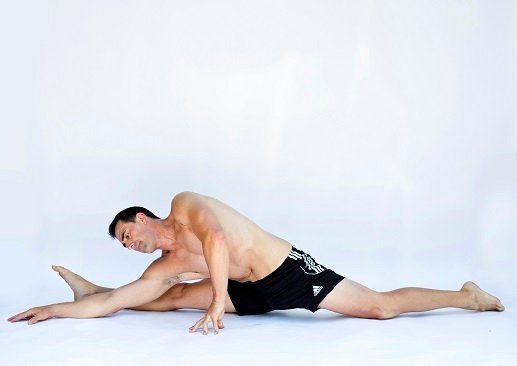
Benefits of stretching plays a vital role in the training and performance of athletes across all sports. As physical activity increases, so does the need for flexibility, which directly impacts an athlete’s performance and overall well-being. Engaging in a proper stretching routine can significantly enhance an athlete’s flexibility, allowing for greater range of motion. This improved flexibility is crucial, as it can lead to better performance during competitions by enabling smoother and more efficient movement patterns.
Studies suggest that regular stretching can help reduce the risk of injuries, a common concern for athletes. A meta-analysis published in the British Journal of Sports Medicine showed that athletes who incorporated stretching into their training routines experienced a 20% reduction in injury rates compared to those who did not. By warming up the muscles and preparing them for intense physical activity, stretching can help reduce muscle tension and muscular imbalances that might lead to injuries.
Furthermore, different types of stretching—such as static, dynamic, and proprioceptive neuromuscular facilitation (PNF)—serve various purposes and can cater to specific athletic needs. For example, dynamic stretching, which involves controlled movements through a full range of motion, is often recommended before workouts to enhance performance and warm up the muscles. In contrast, static stretching can be beneficial post-exercise to aid in recovery and help alleviate soreness.
Incorporating stretching programs tailored to individual sports and needs can yield substantial benefits. As athletes strive for optimal performance, recognizing the importance of a comprehensive stretching routine is imperative. By investing in such routines, athletes can enhance their physical capabilities while also minimizing the risk of injuries, ultimately paving the way for long-term success in their sports.
Dynamic vs. Static Stretching: What’s the Difference?
Stretching is an integral part of an athlete’s training regimen, and it can be categorized into two primary types: dynamic and static stretching. Understanding the differences between them is crucial for optimizing performance and preventing injuries.
Dynamic stretching involves movement and muscular effort, allowing athletes to actively engage their muscles and joints. This type of stretching is typically performed before workouts or competitions to prepare the body for physical activity. Exercises such as leg swings, arm circles, or walking lunges are examples of dynamic stretching. The benefits of dynamic stretching include increased blood flow to muscles, improved flexibility, and enhanced range of motion. By incorporating dynamic stretches into a warm-up routine, athletes can better prepare their bodies for the demands of their sport, aiding in performance enhancement.
On the other hand, static stretching entails extending a muscle to its furthest point and holding that position for a designated duration. This technique is often utilized during cooldown periods following an athletic event or workout. Examples include hamstring stretches or shoulder stretches where the athlete remains in one position for 15-30 seconds. The primary benefits of static stretching lay in facilitating muscle recovery, decreasing muscle soreness, and improving overall flexibility. By integrating static stretches post-workout, athletes can promote relaxation and prevent stiffness in the muscles, fostering a healthier recovery process.
Incorporating both dynamic and static stretching into training routines is essential for athletes. While dynamic stretches serve to activate and energize muscles before exertion, static stretches play a role in cooling down and ensuring muscle recovery after intense activity. Striking a balance between these two types of stretching can lead to optimal athletic performance and injury prevention.
Top Stretching Exercises for Different Sport Disciplines
Stretching is an essential component for athletes across various sports disciplines, as it enhances flexibility, improves performance, and reduces the risk of injuries. Below, we categorize and highlight specific stretching exercises tailored to running, swimming, and gymnastics, ensuring that each activity’s unique muscle demands are addressed effectively.
Running: Runners rely heavily on their legs and hip flexibility. One of the most effective stretches for runners is the hamstring stretch. To perform it, sit on the ground with one leg extended and the other bent inward. Reach towards your toes of the extended leg while keeping the back straight, and hold for 20-30 seconds. Another beneficial stretch is the quad stretch; while standing, pull one ankle towards your glutes to stretch the front thigh muscles, holding for the same duration.
Swimming: Swimmers require overall upper body flexibility. The shoulder stretch can be particularly effective. Perform it by bringing one arm across your body at shoulder height, using the opposite hand to gently pull the arm closer, holding it for 20-30 seconds. Additionally, the triceps stretch helps swimmers maintain shoulder mobility; raise one arm overhead, bending at the elbow to touch the back, and use the opposite hand to apply gentle pressure on the bent elbow for optimal stretch.
Gymnastics: Flexibility in gymnastics is vital for performance. The butterfly stretch is great for opening the hips. Sit on the floor, bring the soles of your feet together, and gently press down on the knees with your elbows for deeper access. Another is the backbend stretch, which enhances spine flexibility. Start lying on your back, bend your knees, place your hands beside your ears, and gently push up into a bridge position, holding for 20-30 seconds.
Common mistakes include neglecting to warm up before stretching, overstretching beyond comfort, and performing stretches too quickly. By integrating these stretching exercises into their routine, athletes can effectively prepare their bodies for the demands of their specific sports, improving both safety and performance.
Creating a Tailored Stretching Routine
Developing a personalized stretching routine is essential for athletes, as it aligns with their specific sports and individual flexibility levels. Each sport requires different physical demands, and stretching helps enhance performance while reducing injury risks. To start crafting a tailored routine, athletes should assess their flexibility, identifying tight areas that require additional focus.
Time management is a critical factor when designing a stretching regimen. Depending on their schedule, athletes should allocate time effectively for each session, typically ranging from 10 to 20 minutes. It is generally beneficial to integrate benefits of stretching within an athlete’s warm-up and cooldown phases. For warm-ups, dynamic stretching exercises should be prioritized to prepare the muscles for activity. Conversely, static stretches are more suitable for cooldown routines to aid muscle recovery and improve overall flexibility.
The order of stretches can significantly impact the routine’s effectiveness. Athletes should consider starting with major muscle groups relevant to their sport. For instance, runners can focus on the hamstrings, calves, and quadriceps, while swimmers might prioritize shoulder and back stretches. Each stretch should be held for an adequate duration—ideally between 15 to 30 seconds—to achieve maximum benefits. Consistency plays a crucial role in seeing improvements, so incorporating these stretches regularly into the training schedule is vital.
Monitoring progress through journaling or apps can help athletes track their flexibility gains and adjust their routines as necessary. By regularly evaluating their performance and flexibility levels, athletes can make informed adjustments to their stretching routines. This approach not only fosters a disciplined habit but also ensures that they are optimizing results tailored to their athletic demands.