

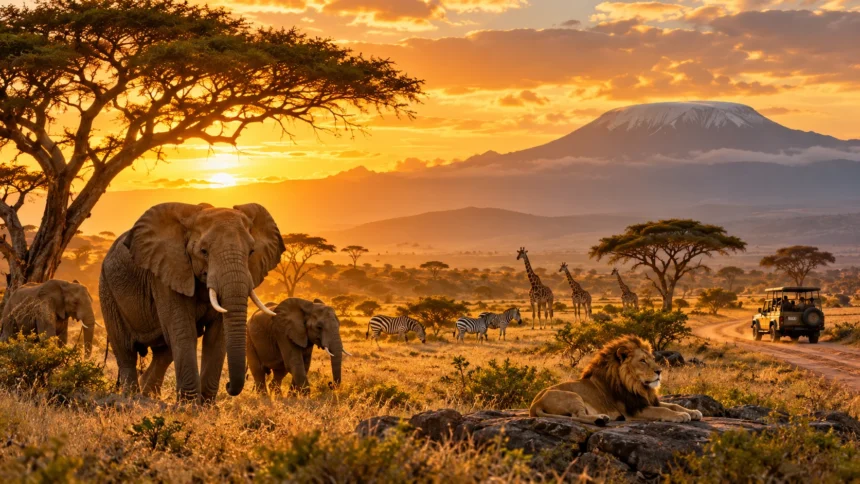
Africa is home to some of the world’s most spectacular wildlife destinations, offering unforgettable opportunities to observe animals in their natural habitats. From vast savannas filled with elephants and lions to wetlands supporting countless bird species, the continent provides remarkable biodiversity. Exploring the best African safari destinations allows travelers to experience beautiful landscapes, learn about wildlife conservation, and discover unique natural environments.
Countries such as Tanzania, Kenya, South Africa, Botswana, Namibia, and Uganda are particularly well known for their safari experiences. Each destination offers different wildlife populations, landscapes, accommodation choices, and seasonal attractions. Some parks are famous for the Great Migration, while others provide opportunities to observe elephants, rhinoceroses, leopards, and endangered mountain gorillas.
Choosing the right African safari destination depends on your travel interests, available budget, preferred activities, and the time of year. Wildlife viewing conditions also vary considerably between national parks and private reserves. This guide explores Africa’s most rewarding safari locations, their major attractions, the best seasons for visiting, and practical tips for planning a memorable wildlife adventure.
Serengeti National Park, Tanzania
Serengeti National Park is one of Africa’s most famous wildlife destinations, celebrated for its expansive grasslands and extraordinary animal populations. Located in northern Tanzania, the park forms part of a larger ecosystem supporting wildebeest, zebras, gazelles, lions, and numerous other species. Its open landscapes create excellent opportunities to observe wildlife movements and natural behavior.
The Serengeti is particularly famous for the Great Migration, when large herds of wildebeest and zebras move through the ecosystem in response to seasonal rainfall and grazing conditions. Different parts of this movement occur throughout the year, making timing important. River crossings attract considerable attention, but their occurrence depends on natural conditions rather than a fixed schedule.
Visitors can explore the Serengeti through guided game drives, authorized walking experiences, and permitted hot-air balloon excursions. Accommodation ranges from established safari lodges to seasonal tented camps in different parts of the ecosystem. The central Serengeti offers wildlife viewing throughout much of the year, while specific migration experiences depend on location and season.
Maasai Mara National Reserve, Kenya
Maasai Mara National Reserve is among the best African safari destinations for travelers interested in large mammals and traditional savanna landscapes. Situated in southwestern Kenya, the reserve connects ecologically with Tanzania’s Serengeti ecosystem. Its rolling grasslands and river systems support lions, elephants, buffaloes, cheetahs, giraffes, and numerous grazing animals.
The Maasai Mara is famous for the seasonal arrival of migrating wildebeest and zebras, particularly during portions of the July-to-October period. However, migration timing changes with rainfall and grazing conditions, so specific sightings cannot be guaranteed. The reserve also supports resident wildlife, making it attractive beyond the main migration season.
Visitors can participate in guided wildlife drives and stay at accommodation ranging from established lodges to tented safari camps. Surrounding conservancies may offer additional activities under different management arrangements. The region is also associated with Maasai communities, and respectful cultural experiences can help travelers learn about local traditions and conservation initiatives.
Kruger National Park, South Africa
Kruger National Park is one of Africa’s largest and most accessible safari destinations, offering extensive wildlife habitats across northeastern South Africa. The park is particularly well known for its populations of lions, elephants, leopards, rhinoceroses, and African buffaloes. These five animals are collectively known as the Big Five, although observing all of them during one visit is never guaranteed.
Kruger’s diverse landscapes include savanna woodlands, river systems, grasslands, and rocky areas that support many animal and bird species. Wildlife viewing is possible throughout the year, with dry-season conditions often making animals easier to observe near available water. Different regions of the park offer distinct habitats and varying wildlife populations.
One advantage of Kruger is its established tourism infrastructure, including rest camps, marked roads, and guided safari services. Visitors can choose authorized self-drive routes or join professionally guided excursions. Private reserves in the surrounding Greater Kruger region provide additional accommodation options, although their activities and prices differ from those within the national park.
Okavango Delta, Botswana
The Okavango Delta is a remarkable inland wetland system located in northern Botswana, offering a safari experience unlike traditional open-grassland destinations. Seasonal floodwaters spread across channels, islands, and lagoons, creating habitats for elephants, hippos, crocodiles, antelopes, and numerous bird species. The surrounding landscape changes throughout the year as water levels rise and fall.
One of the delta’s most distinctive attractions is the opportunity to explore certain waterways in traditional-style mokoro canoes operated by trained guides. These quiet excursions provide a different perspective on wetland scenery and smaller wildlife. Guided game drives and boating experiences may also be available depending on the lodge location and seasonal water conditions.
The Okavango Delta is particularly attractive for travelers seeking remote landscapes and immersive nature experiences. Many accommodation options are located in protected concessions or private safari areas, with access sometimes requiring small aircraft transfers. Travel costs can be relatively high, so careful planning is important when comparing camps and available activities.
Chobe National Park, Botswana
Chobe National Park is famous for its impressive elephant populations and beautiful riverfront scenery. Located in northern Botswana, the park includes woodlands, floodplains, wetlands, and other habitats supporting a wide variety of animals. The Chobe River attracts wildlife throughout the year, especially during drier periods when alternative water sources become less available.
River-based wildlife viewing is one of Chobe’s most recognizable experiences. Guided boat excursions may provide opportunities to observe elephants, buffaloes, hippos, crocodiles, and waterbirds along the shoreline. Watching animals interact with their environment from an appropriate distance offers a fascinating perspective on the region’s ecological diversity.
Chobe is accessible through the nearby town of Kasane, which serves as a gateway for many visitors. The park is sometimes combined with trips to Victoria Falls, although international border requirements and travel arrangements must be considered. Dry-season months are often particularly rewarding for observing animal concentrations near the river.
Etosha National Park, Namibia
Etosha National Park is one of Namibia’s most important wildlife destinations, known for its striking landscapes and distinctive salt pan. The Etosha Pan dominates much of the park’s scenery, creating an expansive, pale landscape surrounded by grasslands and woodland habitats. This environment supports elephants, lions, giraffes, zebras, and several antelope species.
Waterholes are important features of the Etosha safari experience, especially during the dry season. Animals frequently gather around available water sources, creating opportunities to observe different species within the same general area. Some established rest camps also provide designated wildlife viewing areas overlooking nearby waterholes.
Etosha is particularly suitable for travelers interested in combining wildlife photography with Namibia’s dramatic natural scenery. The park has established roads and accommodation facilities that support organized or permitted self-drive visits. However, wildlife movements remain unpredictable, and travelers should follow park regulations while remaining inside vehicles except in authorized locations.
Ngorongoro Crater, Tanzania
Ngorongoro Crater is one of Tanzania’s most extraordinary natural landmarks and a major wildlife destination within the Ngorongoro Conservation Area. Formed from a collapsed ancient volcano, the crater contains grasslands, forests, wetlands, and a seasonal lake. These varied habitats support a remarkable concentration of wildlife within a relatively compact landscape.
Visitors may encounter lions, elephants, buffaloes, zebras, wildebeest, and numerous other species during guided crater drives. The area is also known for its endangered black rhinoceros population, although sightings are not guaranteed. The crater’s steep walls and distinctive ecosystem make it especially interesting for travelers who appreciate wildlife and geological landscapes.
Most safari visits involve descending into the crater on authorized routes with experienced guides. Access is regulated to protect wildlife and manage tourism activities within the conservation area. Ngorongoro is often included in northern Tanzania itineraries alongside the Serengeti, allowing travelers to experience two very different safari environments.
Amboseli National Park, Kenya
Amboseli National Park is one of Kenya’s most recognizable safari destinations, famous for its elephant herds and views of Mount Kilimanjaro. Although the mountain itself lies in Tanzania, it provides a dramatic backdrop to Amboseli’s open plains. This combination of wildlife and scenery makes the park especially appealing to photographers and nature enthusiasts.
Amboseli’s ecosystem includes seasonal wetlands, grasslands, acacia woodlands, and areas of dry lakebed. Elephants are among its most celebrated inhabitants, while zebras, giraffes, buffaloes, and numerous bird species can also be observed. The wetlands provide important habitat for wildlife, particularly when surrounding conditions become dry.
Guided game drives allow visitors to explore different parts of the park while learning about its natural environment. Clear mountain views are more likely under favorable weather conditions, particularly during certain morning periods. Amboseli can be incorporated into a wider Kenyan safari itinerary that includes other national parks and reserves.
Bwindi Impenetrable National Park, Uganda
Bwindi Impenetrable National Park offers a distinctive wildlife experience because it is renowned for its population of endangered mountain gorillas. Located in southwestern Uganda, the park protects dense tropical forest and remarkable biodiversity. Its landscapes differ considerably from the open savannas commonly associated with traditional African safari destinations.
Authorized gorilla trekking provides opportunities to observe habituated mountain gorilla groups under strict conservation rules. Visits are regulated through permits, trained guides, and established wildlife protection procedures. Encounters depend on natural conditions, and visitors must follow instructions designed to minimize disturbance and reduce health risks to the animals.
Bwindi also supports forest birds, smaller mammals, and numerous plant species, making it interesting beyond gorilla conservation. Trekking conditions can involve uneven terrain, vegetation, and changing weather, so suitable physical preparation is important. Travelers should confirm current permit requirements, age restrictions, and health guidance before planning a visit.
South Luangwa National Park, Zambia
South Luangwa National Park is one of Zambia’s leading wildlife destinations, known for its river ecosystems and diverse animal populations. The Luangwa River supports hippos, crocodiles, elephants, buffaloes, and many bird species. Woodland and grassland habitats also provide opportunities to observe lions, leopards, giraffes, and other wildlife.
The park is particularly associated with professionally guided walking safaris, which offer a different perspective on wildlife habitats and smaller ecological details. These activities require experienced guides and strict safety procedures because large wild animals inhabit the surrounding environment. Participation rules vary, and not every visitor or age group is eligible.
Traditional game drives remain a popular way to explore South Luangwa, especially during periods of favorable wildlife visibility. Accommodation includes safari lodges and camps offering different levels of comfort and guided services. Seasonal rainfall can affect road access, making it important to confirm travel arrangements and lodge operating periods.
Hwange National Park, Zimbabwe
Hwange National Park is Zimbabwe’s largest national park and a major destination for travelers interested in elephants and savanna wildlife. Its landscape includes grasslands, woodland, and seasonal water sources that support diverse animal populations. Visitors may encounter elephants, buffaloes, giraffes, zebras, antelopes, and several large predator species.
During the dry season, waterholes become especially important as animals search for reliable drinking water. Wildlife viewing around these areas can be rewarding, although sightings depend on local conditions and animal movements. Hwange also supports numerous bird species, making it attractive for visitors interested in birdwatching and nature photography.
The park offers guided safari activities and accommodation ranging from established lodges to smaller camps. It can sometimes be included in a broader Zimbabwe itinerary with Victoria Falls. Travelers should verify current access arrangements, transportation options, and official travel information before organizing an independent or guided visit.
Best Time to Visit African Safari Destinations
The best time for an African safari depends on the specific destination and wildlife experience you hope to enjoy. In many southern and eastern African parks, drier months can improve visibility because vegetation becomes less dense and animals gather near water. However, seasonal patterns differ significantly between countries and ecosystems.
For the Serengeti and Maasai Mara, migration-related travel requires additional planning because wildebeest movements follow rainfall and grazing conditions. Botswana’s Okavango Delta experiences seasonal flooding that can coincide with the regional dry season. Meanwhile, Uganda’s tropical forests have different weather considerations, and rain can affect trekking conditions throughout the year.
The green season also offers advantages, including lush landscapes, increased bird activity, and opportunities to observe young animals in certain regions. Some lodges may offer lower seasonal rates, although access can become more difficult in remote areas. Choosing the right travel period involves balancing weather, wildlife interests, availability, and personal preferences.
How Much Does an African Safari Cost?
African safari costs vary widely depending on the destination, accommodation category, travel season, and number of guided activities included. Budget-focused trips may use established campsites or simpler lodges, while premium safaris feature private guides and exclusive accommodations. International flights, park fees, meals, and transportation can also influence the overall price.
Some destinations offer more opportunities for permitted self-drive exploration, while others rely heavily on professionally guided experiences and remote transfers. Countries such as South Africa and Namibia can provide varied accommodation choices, depending on the route. Exclusive camps in Botswana and specialized gorilla trekking experiences may involve considerably higher costs.
When comparing safari packages, check exactly which services are included rather than relying only on the advertised price. Park admission fees, conservation charges, permits, airport transfers, and optional activities may be charged separately. Requesting a detailed itinerary and understanding cancellation conditions helps create a realistic travel budget.
Essential Tips for Planning an African Safari
Planning a successful safari begins with choosing a destination that matches your interests and travel circumstances. Some visitors prioritize large mammals, while others prefer birdwatching, landscapes, or conservation-focused experiences. Researching seasonal patterns and selecting reputable tour operators can help establish realistic expectations about wildlife viewing opportunities.
Packing suitable clothing and basic travel essentials is also important because safari conditions can change throughout the day. Neutral-colored clothing, comfortable footwear, sun protection, binoculars, and weather-appropriate layers are useful for many destinations. Before traveling, consult a qualified healthcare professional about recommended vaccinations, malaria prevention, and other destination-specific health considerations.
Wildlife safety should remain a priority throughout the experience. Follow guide instructions, maintain appropriate distances, stay in vehicles except at designated locations, and never feed wild animals. Travelers should also review current entry requirements, travel advisories, and conservation regulations, particularly when visiting remote areas or crossing international borders.
Conclusion
The best African safari destinations offer remarkable opportunities to experience wildlife, explore diverse landscapes, and learn about conservation. Tanzania’s Serengeti, Kenya’s Maasai Mara, South Africa’s Kruger National Park, and Botswana’s Okavango Delta are among the most recognizable locations. Each destination provides distinctive environments, animal populations, and opportunities for memorable nature experiences.
Choosing the right safari depends on the wildlife you want to observe, the season, available accommodation, and your overall budget. Some parks are especially rewarding for elephant viewing, while others are known for migrations, wetlands, or endangered primates. Understanding these differences helps travelers select destinations that match their expectations.
A well-planned African safari can combine beautiful scenery, educational experiences, and responsible wildlife tourism. Selecting reputable operators, respecting wildlife regulations, and preparing for local conditions help support a safer and more enjoyable journey. With careful planning, Africa’s national parks and protected areas offer unforgettable opportunities to appreciate the continent’s extraordinary natural heritage.
Frequently Asked Questions
Which African country is best for a safari?
Tanzania, Kenya, South Africa, Botswana, and Namibia are among the most popular safari countries. The best choice depends on your preferred wildlife, budget, travel season, and the type of experience you want.
What is the best month to go on an African safari?
June through October is a popular period for wildlife viewing in many East and Southern African destinations. However, seasonal conditions vary, and some regions offer excellent experiences during other months.
Where can you see the Big Five in Africa?
The Big Five can potentially be observed in destinations such as Kruger National Park, the Serengeti, Maasai Mara, and certain other protected areas. Sightings depend on wildlife movements and local conditions.
How many days do you need for an African safari?
A safari lasting five to seven days can provide time for several wildlife drives and different habitats. Longer trips may be preferable when combining distant parks or multiple countries.
Are African safaris suitable for families?
Many safari destinations offer family-oriented accommodation and guided activities, but age restrictions and safety rules vary. Choose reputable operators, follow wildlife guidance, and confirm which activities are appropriate for younger travelers.