

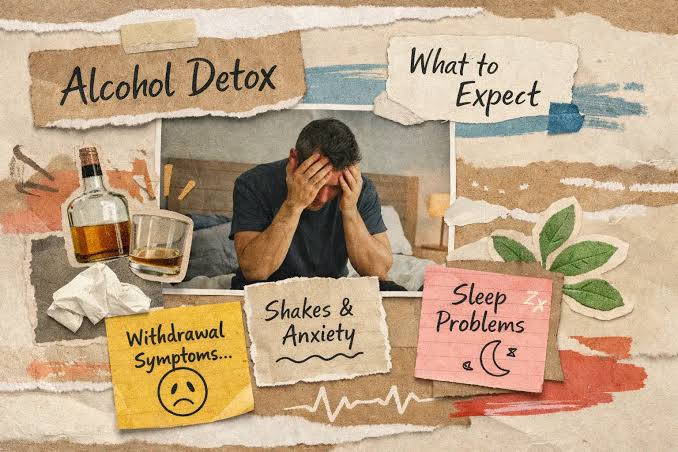
Quitting alcohol after heavy, prolonged use sounds straightforward until the body starts pushing back. Within hours of the last drink, a cascade of physical and neurological changes can begin, ranging from mild discomfort to genuinely life-threatening complications. Understanding what those changes look like, why they happen, and what can be done about them is something anyone supporting a loved one through this process, or facing it themselves, genuinely needs to know.
This article walks through the full arc of alcohol withdrawal: the biology behind it, the timeline of symptoms, the warning signs that demand immediate medical attention, and why supervised detox exists in the first place. No scare tactics, just a clear picture of what the body goes through when alcohol dependence is interrupted.
Why Alcohol Withdrawal Happens at All
Alcohol is a central nervous system depressant. When someone drinks regularly and heavily over weeks, months, or years, the brain adapts. It compensates for alcohol’s sedating effect by increasing the activity of excitatory neurotransmitters, particularly glutamate, and by reducing the sensitivity of inhibitory receptors tied to GABA. The brain essentially rewires itself to function in the presence of alcohol.
When alcohol is removed suddenly, that compensatory state is left running without anything to balance it. The nervous system becomes overexcited. This excitatory rebound is what produces withdrawal symptoms, and in severe cases, it can produce seizures or a dangerous condition called delirium tremens. The longer and heavier the drinking history, the more pronounced that rebound tends to be.
The Typical Withdrawal Timeline
Symptoms do not arrive all at once. They follow a fairly predictable sequence, though the intensity and duration vary considerably from person to person based on factors like drinking history, overall health, age, and whether previous withdrawals have occurred.
| Time Since Last Drink | Common Symptoms |
| 6 to 12 hours | Anxiety, headache, nausea, hand tremors, sweating, heart palpitations |
| 12 to 24 hours | Increased tremors, vomiting, heightened anxiety, possible hallucinations |
| 24 to 48 hours | Peak risk for seizures, confusion, high blood pressure, fever |
| 48 to 72 hours | Possible onset of delirium tremens (DTs) in high-risk individuals |
| 72 hours to 1 week | Gradual symptom reduction for most; DTs can persist up to 5 days |
| 1 to 4 weeks | Protracted symptoms such as mood instability, sleep disruption, cravings |
One thing worth knowing: most people who drink heavily do not develop the most severe complications. A 2019 review published in the American Family Physician journal estimated that roughly 3 to 5 percent of people going through alcohol withdrawal experience seizures or delirium tremens. That percentage sounds small, but given how many people stop drinking each year, the absolute numbers are significant, and predicting in advance who will fall into that group is genuinely difficult without clinical assessment.
Recognizing the Warning Signs of Severe Withdrawal
Mild withdrawal is uncomfortable but manageable with proper support. Severe withdrawal is a medical emergency. Knowing the difference matters enormously.
Signs That Require Immediate Medical Attention
- Seizures or convulsions of any kind
- Severe confusion or disorientation that appears suddenly
- Hallucinations, whether auditory, visual, or tactile
- High fever (above 101 degrees Fahrenheit) combined with agitation
- Rapid or irregular heartbeat
- Extreme tremors that prevent normal movement
- Loss of consciousness or unresponsiveness
Delirium tremens, often called DTs, is the most feared complication. It typically begins between 48 and 72 hours after the last drink, though onset has been recorded as late as 96 hours. Without medical treatment, the mortality rate from DTs was historically as high as 35 percent according to older clinical literature. With proper hospital-level care, that rate drops to below 5 percent, which illustrates precisely why unsupervised detox carries real risk for certain individuals.
Risk Factors That Raise the Stakes
Not everyone faces equal risk. Several factors are consistently associated with more severe withdrawal outcomes. People who have a history of previous withdrawal seizures or DTs are at elevated risk in future episodes, a phenomenon sometimes called kindling, where each withdrawal episode sensitizes the nervous system further. Additional risk factors include drinking large quantities daily for an extended period, poor nutritional status, older age, co-occurring medical conditions like liver disease or kidney problems, and using other substances alongside alcohol.
What Medical Detox Actually Does
Medical detox is not simply a comfortable place to wait out withdrawal. It is a structured clinical intervention designed to reduce the severity of symptoms, prevent the most dangerous complications, and stabilize the person physically so they can engage with longer-term treatment.
The primary medications used in alcohol detox are benzodiazepines, such as diazepam or lorazepam. These drugs work on the same GABA receptors that alcohol affects, which is why they are effective at calming the overexcited nervous system during withdrawal. Clinicians typically use a symptom-triggered protocol, meaning medication doses are adjusted based on the patient’s real-time clinical status rather than a rigid schedule. This approach reduces total medication use while maintaining safety.
Beyond medications, medical detox programs monitor vital signs continuously, address nutritional deficiencies (thiamine, or vitamin B1, is routinely supplemented because deficiency can cause a separate neurological emergency called Wernicke’s encephalopathy), and provide IV fluids if needed. They also conduct a full medical and psychiatric assessment, which often turns up co-occurring conditions that would otherwise go unaddressed.
Anyone trying to assess whether a loved one, or themselves, needs this level of care can reach out to a professional program for a clinical opinion. For example, someone in the Nashville area can contact Detox Center of Nashville – Drug & Alcohol Rehab to speak with staff about what level of care fits a specific situation, rather than trying to make that call without clinical guidance.
Protracted Withdrawal: The Weeks After Acute Detox
Acute withdrawal resolves within about a week for most people, but a subset of individuals experience what is sometimes called post-acute withdrawal syndrome, or PAWS. This is a prolonged phase where symptoms are less intense than acute withdrawal but persistent enough to interfere with daily functioning and significantly raise relapse risk.
- Persistent anxiety or mood swings
- Difficulty sleeping, including vivid or disturbing dreams
- Reduced ability to concentrate or make decisions
- Fatigue that does not respond well to rest
- Strong and recurring alcohol cravings
- Emotional flatness or reduced motivation
PAWS is not fully understood, but researchers believe it reflects ongoing neurological readjustment. The brain that spent months or years compensating for alcohol does not snap back instantly. Recovery of normal receptor function and neurotransmitter balance takes time, sometimes several months. This is one reason why completing detox and then stopping treatment is rarely enough. Residential or outpatient programming following detox gives people tools to cope with these lingering symptoms without returning to drinking.
Home Detox Versus Supervised Detox: An Honest Comparison
People sometimes attempt to stop drinking at home, especially if previous attempts went smoothly or if they underestimate their level of physical dependence. For mild alcohol dependence with no history of complications and no significant medical history, some individuals do manage to get through withdrawal without hospitalization. But the honest answer is that the risk calculation is difficult to make without a clinical evaluation.
| Factor | Home Detox | Supervised Medical Detox |
| Seizure monitoring | None | 24/7 clinical monitoring |
| Medication access | None (prescription required) | Benzodiazepines and other medications as needed |
| Nutritional support | Self-managed | IV fluids, thiamine, electrolytes |
| Vital sign tracking | None | Continuous or frequent monitoring |
| Psychiatric assessment | None | Included in intake process |
| Transition to further treatment | Usually self-directed | Coordinated referral and planning |
The argument for home detox is often cost or convenience. The argument against it is that the most dangerous complications of alcohol withdrawal, seizures and DTs, can develop even in people who have successfully self-detoxed before. The kindling effect means risk can increase with each withdrawal episode. Choosing supervised care is not a sign of weakness; it is a straightforward risk-reduction decision.
What Comes After Detox
Detox addresses the physical crisis. It does not address the psychological, social, and behavioral dimensions of alcohol use disorder, which are often where the real work of recovery happens. Research consistently shows that people who move directly from detox into ongoing treatment, whether residential, intensive outpatient, or standard outpatient programs, have significantly better outcomes than those who complete detox alone.
Medication-assisted treatment for alcohol use disorder is also an option worth knowing about. Naltrexone, acamprosate, and disulfiram are all FDA-approved medications shown to reduce relapse rates. These are not substitutes for behavioral support but tools that work alongside counseling and peer support. A prescribing physician or addiction medicine specialist can help determine whether one of these is appropriate.
Alcohol withdrawal is serious, but it is also manageable with the right support in place. The biology is well understood, the medical interventions are effective, and the path from acute detox into sustained recovery is one many thousands of people travel successfully each year. Getting accurate information about what to expect, and connecting with qualified professionals who can assess individual risk, is where that path usually begins.