

Introduction to Smart Home Technology
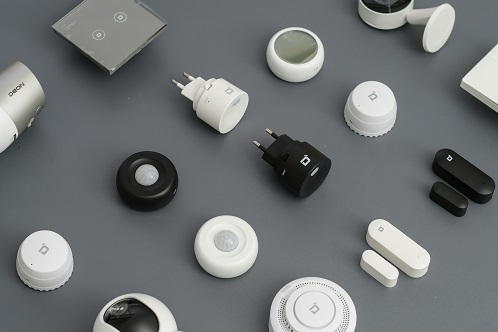
Smart home technology refers to the integration of devices and systems in residential settings that can be controlled remotely through smartphones, tablets, or voice-activated assistants. This innovative approach to home automation has developed significantly over recent years, becoming a staple in modern lifestyles. Initially, smart home concepts were limited to basic security systems or smart lighting, but advancements in technology have expanded the scope to include a range of interconnected devices that enhance comfort, efficiency, and security. The evolution of smart home technology can be attributed to the rapid growth of the Internet of Things (IoT), allowing devices to communicate and share data seamlessly. Homes equipped with smart technology can automate everyday tasks, monitor energy consumption, and provide homeowners with advanced security measures. Examples include smart thermostats that adjust temperatures based on lifestyle habits, intelligent lighting systems that can be programmed for different ambiances, and security cameras that offer remote access and alerts.
In the current real estate market, properties outfitted with smart home features are increasingly desirable. Homebuyers prioritize enhanced living experiences, and smart technology offers tangible benefits such as increased energy efficiency and improved convenience. A home that incorporates IoT devices is not only attractive but also reflects a modern, tech-savvy lifestyle. As a result, these upgrades become a valuable selling point that can significantly increase property values.
As we delve deeper into the various upgrades that can elevate a home’s status in the eyes of potential buyers, it becomes clear that investing in smart technology is a strategic decision for homeowners looking to enhance both their quality of life and property value.
The Benefits of Smart Home Upgrades
Smart home upgrades are becoming increasingly popular among homeowners due to their numerous advantages. One of the most significant benefits is the improvement in energy efficiency. Smart devices, such as thermostats, lighting, and appliances, can optimize energy use by learning the homeowner’s habits and adjusting settings accordingly. According to the U.S. Department of Energy, smart thermostats alone can save homeowners an average of 10-15% on heating and cooling bills, which can lead to substantial annual savings.
In addition to energy efficiency, smart home features greatly enhance security. With installations such as smart locks, cameras, and alarm systems, homeowners can monitor their properties remotely via smartphone apps. A study by the University of North Carolina at Charlotte found that homes without security systems are 300% more likely to be burglarized than those equipped with such technology. By incorporating smart security measures, homeowners can provide peace of mind, not only for themselves but also for potential buyers in the future.
Convenience is another advantage associated with smart home upgrades. Homeowners can control various systems from lighting to temperature using voice commands or mobile applications. This ease of use makes daily life more manageable and is often viewed as an attractive feature by prospective buyers. Furthermore, research from the National Association of Realtors indicates that homes with smart features can sell for 5-10% more than comparable homes without such technology.
Overall, the benefits of smart home upgrades extend beyond immediate conveniences. By enhancing energy efficiency, elevating security, and providing unparalleled convenience, these upgrades not only improve the quality of life for current homeowners but also significantly increase the property’s market value, making them a wise investment.
Top Smart Home Devices to Consider
When it comes to enhancing property value, investing in smart home devices can yield significant returns. Among the devices that attract potential buyers and enhance home automation, smart thermostats have emerged as a top choice. These devices allow homeowners to control their heating and cooling systems remotely, providing not only convenience but also energy efficiency, which is a highly sought-after feature.
Another popular upgrade is smart lighting systems. These systems enable users to manage their home lighting through mobile applications or voice commands. Features like programmable schedules and energy-saving capabilities make smart lighting not only appealing but also practical, as they contribute to reduced electricity bills.
Security is a paramount concern for homebuyers, making smart security systems an excellent investment. These systems often include smart locks, cameras, and alarm systems that offer real-time monitoring and alerts. Buyers are increasingly prioritizing safety, and the integration of a comprehensive security setup can significantly boost property desirability.
Moreover, home automation hubs serve as the central control system for various smart devices. These hubs synthesize different technologies, providing seamless coordination and critical integration across multiple systems. The appeal of having a single point of control for lighting, heating, security, and entertainment cannot be overstated, as it amalgamates convenience and state-of-the-art technology.
In conclusion, the strategic selection of smart home devices, such as smart thermostats, lighting systems, advanced security features, and automation hubs, can substantially increase a property’s appeal and market value. By considering these devices, homeowners can not only enhance their living experience but also position their property favorably in a competitive real estate market.
The Role of Energy Efficiency in Property Value
In today’s real estate market, energy efficiency has emerged as a critical factor influencing property value. Home buyers are increasingly prioritizing energy-efficient features, making properties equipped with modern smart technology more appealing. Smart home upgrades, such as smart thermostats and energy monitors, are not only attractive selling points but also contribute significantly to reducing overall utility costs.
One of the most impactful energy-efficient upgrades is the installation of a smart thermostat. These devices allow homeowners to optimize heating and cooling patterns based on personal habits, which can lead to considerable savings on energy bills. For example, smart thermostats can automatically adjust temperatures when residents are away, ensuring energy is not wasted. The added convenience of remote access through mobile applications further enhances the user experience, appealing to tech-savvy buyers.
Similarly, energy monitors serve a crucial role in identifying energy usage trends within the home. By providing real-time data, these devices empower homeowners to make informed decisions about their energy consumption. This not only promotes awareness of potential cost savings but also encourages sustainable practices. When looking at properties, potential buyers recognize the long-term benefits associated with energy-efficient appliances and systems, leading them to prefer homes that can demonstrate a commitment to sustainability.
Moreover, properties featuring comprehensive energy-efficient solutions often receive a higher appraisal value. The installation of these smart home technologies decreases the carbon footprint, enhancing the overall marketability of the property. As the demand for eco-friendly options continues to grow, integrating energy-efficient smart home upgrades can lead to a substantial increase in property value, making it a wise investment for homeowners looking to enhance their assets.
Enhancing Security with Smart Devices
In the contemporary real estate market, the incorporation of smart security systems has become increasingly significant. Homeowners are now looking for innovative solutions to bolster their security measures, and smart devices such as smart locks, security cameras, and alarm systems play a crucial role in achieving this objective. Not only do these enhancements provide an added layer of safety, but they also resonate with prospective buyers, thereby enhancing the overall property value.
Smart locks are an excellent example of modern security solutions. These devices enable homeowners to manage access to their properties through their smartphones, allowing them to lock and unlock doors remotely. Furthermore, many smart locks come equipped with features that provide notifications of who enters or exits the home, which adds transparency and enhances security. Buyers are particularly attracted to the convenience and peace of mind offered by smart locks, making properties that include these devices more appealing.
Additionally, smart security cameras are becoming a standard feature in homes. These devices utilize high-definition video and mobile notifications to allow homeowners to monitor their property in real time. Advanced models even possess features such as facial recognition, night vision, and motion detection, which can deter potential intruders effectively. Prospective buyers often prioritize homes equipped with comprehensive surveillance systems, as they perceive them as safer investments.
Alarm systems integrated with smart technology further augment security. Modern alarm systems can be controlled via mobile devices, allowing users to activate or deactivate alarms from anywhere. The integration of smart technology in these systems enhances their effectiveness, as they can provide immediate alerts to homeowners about any suspicious activity. Buyers are likely to appreciate homes with such upgraded alarm features, recognizing their ability to heighten personal safety and protect valuable assets.
Impact on Home Automation and Convenience
In recent years, the rise of home automation technologies has significantly transformed the way individuals interact with their living spaces. Convenience is at the forefront of this transformation, as modern systems such as voice-activated assistants and smart appliances streamline everyday household tasks. These innovations not only enhance the user experience but also contribute to increasing property value, making homes equipped with such technologies more appealing to potential buyers.
Voice-activated assistants, including popular options like Amazon Alexa and Google Assistant, allow homeowners to control various aspects of their environment effortlessly. From regulating lighting and temperature to managing appliances, these systems provide unparalleled ease, enabling users to perform tasks simply using voice commands. This convenience saves time and enhances comfort, which can be incredibly attractive in the competitive real estate market.
Moreover, the integration of smart appliances—ranging from refrigerators that manage inventory to washing machines that optimize energy usage—further exemplifies the advantages of home automation. These devices, which are often interconnected through a central smart hub, allow homeowners to monitor and control their homes remotely, thereby contributing to a more efficient and sustainable lifestyle. The ability to manage utility consumption more effectively not only benefits the homeowner but may also create an impression of environmental consciousness that resonates with many buyers.
The allure of convenience and modern technology extends beyond personal enjoyment; studies indicate that homes featuring advanced automation systems are often perceived as more marketable. In today’s real estate landscape, buyers frequently seek properties that offer not just shelter, but a glimpse into the future of living. Therefore, integrating home automation technologies is not merely an upgrade; it is a strategic investment designed to elevate property value and appeal.
Integrating Smart Technology with Existing Systems
As the demand for smart home upgrades continues to grow, homeowners are increasingly interested in integrating these technologies with their existing systems. This integration can enhance convenience, improve energy efficiency, and contribute to an increase in property value. However, before embarking on such upgrades, it is essential to ensure compatibility between modern smart devices and traditional home systems.
One of the primary considerations when integrating smart technology is the compatibility of devices with existing infrastructure. For instance, homeowners should verify that their current electrical systems, HVAC units, and security systems can support the installation of smart features. This may involve consulting with professionals who specialize in smart home technology to assess the requirements and determine necessary upgrades. Moreover, many modern systems are designed to be user-friendly and can often interface seamlessly with existing frameworks, but older homes may face challenges due to outdated wiring or incompatible designs.
Additionally, when retrofitting or integrating smart technology into older homes, homeowners should be aware of potential challenges. These may include the need for specialized installations, the cost of upgrading wiring, or even modifications to the architecture to accommodate smart devices. Furthermore, homeowners should also evaluate the effect on the home’s aesthetic appeal, ensuring that new technologies do not detract from its visual charm.
Despite these challenges, successful integration of smart technology with existing systems can offer significant long-term benefits. Enhanced home automation features can improve energy management, streamline household tasks, and increase the overall efficiency of the living space—all contributing factors to an increased property value. Ultimately, homeowners who take the time to carefully plan their smart upgrades will find that the benefits far outweigh any initial inconveniences or costs.
Understanding the Market Demand for Smart Homes
In recent years, the demand for smart home technologies has seen exponential growth, driven by shifting consumer preferences and advancements in technology. Buyers are increasingly inclined towards homes that feature integrated smart devices, as these advancements offer enhanced convenience, security, and energy efficiency. Market research indicates that a significant portion of potential homebuyers now considers smart home features as essential rather than optional, which highlights the growing importance of these upgrades in real estate valuation.
The combination of convenience and functionality is appealing to various demographics, particularly millennials and tech-savvy individuals. These buyers often look for homes that can seamlessly integrate with their digital lifestyle. Features such as smart thermostats, security cameras, and automated lighting are frequently sought after. In fact, studies show that homes equipped with these technologies sell faster and for a higher price compared to traditional houses.
Experts in the real estate market agree that smart home technologies are beginning to redefine what constitutes a desirable property. An analysis of recent trends revealed that homes with smart capabilities can command prices that are up to 5-10% higher than comparable homes without such features. Furthermore, the return on investment (ROI) for smart home upgrades is often substantial, making it wise for sellers to consider these enhancements when preparing their homes for sale.
The increasing prevalence of home automation systems signifies a fundamental shift in how properties are marketed and valued. Real estate agents are actively promoting smart home features, recognizing that buyers are willing to pay a premium for properties that offer modern technology solutions. As such, the market demand for smart homes continues to evolve, indicating a permanence in this trend that homeowners and investors should closely observe.
Conclusion: Investing in Smart Home Upgrades
In recent years, the integration of smart home technology has evolved from a luxury to a fundamental aspect of modern living. The implementation of smart home upgrades not only enhances the day-to-day convenience for homeowners but also serves as a prudent investment that can lead to a significant increase in property value. Technologies such as smart thermostats, security systems, and lighting controls not only contribute to energy efficiency but also attract potential buyers who are increasingly looking for homes equipped with the latest technologies.
During this discussion, we explored the various benefits of smart home upgrades, highlighting how they streamline daily activities and improve the security of the household. Additionally, by reducing energy costs, homeowners can see a return on investment over time. The appeal of these features is particularly pronounced among younger buyers who prioritize technological advancements in their home purchasing decisions.
Furthermore, with the real estate market leaning toward homes with integrated smart technology, investing in these upgrades makes sense for homeowners considering selling. The presence of smart features can differentiate a property in a competitive market, appealing to buyers who may be willing to pay a premium for the added convenience and efficiency. Given that smart home technology is continually advancing, keeping up-to-date with the latest innovations ensures that properties remain attractive and in line with current trends.
Ultimately, embracing smart home upgrades is not just about personal comfort; it is a strategic move towards increasing the overall market value of a home. Homeowners who invest in smart technology today are likely to reap the benefits in the future, should they decide to sell their property. As the demand for smarter living spaces continues to grow, now is the ideal time for homeowners to consider these enhancements that hold the promise of enhancing both lifestyle and equity.