

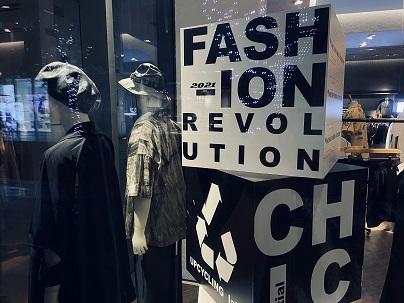
Introduction to Eco-Friendly Fashion
Eco-friendly fashion, also known as sustainable fashion, refers to an approach to clothing design and production that prioritizes environmental sustainability and ethical practices. This movement has emerged in response to the growing awareness of the adverse effects that traditional fashion has on the planet. Today’s consumers are becoming increasingly conscious of their purchase decisions, pushing the fashion industry to adopt more responsible practices. At its core, eco-friendly fashion entails the use of sustainable materials that lessen environmental impact. This may include organic cotton, recycled fabrics, and innovative materials such as Tencel or hemp, which require fewer resources to cultivate. Sustainable fashion brands often emphasize the importance of reducing waste by implementing circular systems that allow for recycling and upcycling of garments.
Ethical production practices are also a fundamental aspect of eco-friendly fashion. This involves ensuring fair wages for workers, safe working conditions, and transparency throughout the supply chain. As consumers become more educated about the implications of fast fashion, they are demanding more from brands, advocating for ethical labor practices alongside sustainability.
Moreover, the significance of eco-friendly fashion in today’s world cannot be understated. As climate change continues to pose a significant threat, the fashion industry known for its substantial carbon footprint is being urged to transform its business models. This transition towards sustainability is not merely a trend; rather, it reflects a necessary shift in consumer values and provides an opportunity for brands to align with socially responsible practices.
The growing awareness among consumers regarding sustainability has led to a demand for transparency and accountability. Shoppers are now more inclined to support brands that reflect their values, paving the way for eco-friendly fashion to not just grow but redefine the industry as a whole.
The Environmental Impact of Fast Fashion
Fast fashion is characterized by rapid production and consumption of clothing, which has significant negative repercussions on the environment. As consumers chase the latest trends, the fashion industry accelerates its manufacturing processes, leading to alarming levels of pollution, waste, and resource depletion.
One of the primary issues is water pollution. According to the World Bank, textile dyeing is responsible for approximately 20% of the world’s industrial water pollution. Toxic chemicals used in dyeing and finishing garments often end up in rivers and oceans, harming aquatic life and contaminating drinking water sources. Additionally, the fashion industry accounts for around 10% of global carbon emissions, similar to the emissions produced by the entire European Union, underscoring its substantial carbon footprint.
The excessive generation of textile waste is another pressing concern. The Ellen MacArthur Foundation reports that the equivalent of one garbage truck of textiles is disposed of in landfills or incinerated every second. In fact, the average person throws away 70 pounds of clothing each year, leading to a staggering disposal rate that significantly contributes to landfill growth. Landfills release methane, a potent greenhouse gas that exacerbates climate change.
Moreover, the lifecycle of clothing in fast fashion is notably short. As garments are designed to be worn a limited number of times, they contribute to a cycle of overconsumption and waste. The rapid turnover of styles encourages consumers to purchase frequently, often resulting in poor-quality garments that are discarded quickly. This practice not only depletes natural resources, such as water and energy but also increases the carbon emissions associated with transporting and manufacturing clothing.
In conclusion, the environmental impact of fast fashion is far-reaching, affecting water resources, contributing to pollution, and exacerbating waste issues. Understanding these consequences is crucial as we move towards more sustainable practices in the fashion industry.
Key Players in Eco-Friendly Fashion
The fashion industry is currently witnessing a transformative shift, with several pioneering brands and designers leading the way in eco-friendly practices. These companies have committed to sustainability and are setting new benchmarks for ethical fashion. Brands like Patagonia and Eileen Fisher are at the forefront, championing responsible sourcing and production. Patagonia, renowned for its outdoor apparel, takes a proactive approach by using organic cotton and recycled materials in its garments, while also prioritizing fair labor practices and environmental activism.
Similarly, Eileen Fisher emphasizes the importance of sustainability in its business model by using organic and renewable fibers, and implementing a take-back program that encourages customers to return their used clothing for recycling. This practice not only reduces waste but also promotes a circular economy within the fashion sector.
Other notable players in eco-friendly fashion include Reformation, which integrates sustainable practices into every aspect of its operations, from sourcing materials to minimizing water usage during production. The brand’s transparent approach about its environmental impact resonates with a growing consumer base that increasingly demands ethical options. Moreover, Reformation’s fashionable designs appeal to a demographic that seeks style without compromising sustainability.
In addition to established players, emerging designers like Ahluwalia and BODE are gaining recognition for their innovative approaches to sustainable fashion. Ahluwalia, for instance, utilizes upcycled materials and traditional craftsmanship to create unique pieces that tell a story, while BODE champions artisanal techniques and sustainable textiles.
These brands are not only influencing consumer behavior but are also pushing the entire industry towards greater accountability. As they continue to grow, their commitment to sustainability is inspiring a ripple effect, encouraging others in the fashion world to adopt similar practices and redefine standards for ethical consumption.
Sustainable Materials and Innovations
The fashion industry is witnessing a transformative shift towards eco-friendly practices, significantly driven by the adoption of sustainable materials. Prominent among these materials is organic cotton, which is cultivated without the use of synthetic fertilizers or pesticides. This method not only conserves water but also promotes healthier soil and biodiversity. By opting for organic cotton, brands significantly reduce their environmental footprint while also providing consumers with clothing that is gentle on the skin.
Another notable sustainable option is recycled polyester, made from post-consumer plastic waste. This innovative material helps combat the growing problem of plastic pollution by repurposing bottles and other plastics into high-quality fabric. By utilizing recycled polyester, the fashion industry can promote a circular economy and lessen its reliance on virgin materials, thereby reducing energy consumption and greenhouse gas emissions during production.
Tencel, a brand name for lyocell and modal fabric, represents another breakthrough in sustainable textiles. Derived from sustainably sourced wood pulp, Tencel is biodegradable and produced in a closed-loop process, which recycles water and solvents used in manufacturing. This eco-friendly characteristic, combined with Tencel’s soft feel and breathability, has made it a popular choice among consumers seeking sustainable alternatives.
The future of sustainable fashion is also shining with emerging innovations. For instance, researchers are exploring biofabrication technologies that create textiles using fungi and algae. These revolutionary materials promise to not just reduce the environmental footprint of clothing but also offer new pathways for creativity in design. Additionally, advancements in digital printing and on-demand production are minimizing waste by allowing items to be created only when needed.
As these sustainable materials and innovations gain traction within the industry, they pave the way for a more responsible fashion landscape. The commitment to environmentally friendly practices stands as a testament to the potential for a substantial positive impact on the planet, ensuring that the future of fashion can embrace sustainability as a core principle.
Consumer Demand for Sustainable Products
In recent years, there has been a notable shift in consumer attitudes towards sustainable fashion. Increasingly, shoppers are prioritizing eco-friendly products over traditional fashion items, driven by a greater awareness of the environmental impacts of fast fashion. This growing consciousness is reflected in various surveys that highlight a definitive preference for sustainability among consumers. For instance, a recent study found that over 60% of respondents expressed a commitment to purchasing clothing made from sustainable materials.
One significant factor driving this change is the rising concern for the planet’s health. As consumers become more aware of the negative effects of textile production, including carbon emissions and waste pollution, they are now more inclined to support brands that advocate for sustainable practices. Additionally, the increase in reported climate change incidents has prompted individuals to align their purchases with their values, as many seek to contribute positively to the environment.
Beyond environmental issues, personal values and lifestyle choices also play a crucial role in the consumer shift toward eco-friendly fashion. Many individuals today are more intentional about their consumption habits, striving to adopt minimalist lifestyles and reduce their carbon footprints. This ethos is exemplified in the rise of capsule wardrobes, where consumers opt for fewer, high-quality pieces instead of accumulating mass quantities of fast fashion items. Furthermore, age demographics have shown that younger generations, particularly Millennials and Gen Z, are leading the charge in demanding more sustainable options, indicating a long-lasting trend.
Moreover, the influence of social media has amplified these changes. Sustainability becomes a part of the narrative shared on various platforms, encouraging community discussions and amplifying awareness. As consumers learn about innovative materials and sustainable practices, their purchasing decisions are increasingly shaped by values of ethical responsibility. In summary, the convergence of environmental concerns, personal values, and an informed society has significantly altered consumer demand, fostering the rise of eco-friendly fashion in modern markets.
The Role of Social Media and Influencers
In the landscape of contemporary fashion, social media platforms, particularly Instagram and TikTok, serve as pivotal arenas for the promotion and dialogue surrounding eco-friendly fashion. These platforms empower influencers to disseminate information rapidly and effectively, making them instrumental in shaping consumer attitudes and preferences towards sustainable brands. The visual nature of these platforms allows influencers to create engaging content that showcases eco-friendly materials, ethical production processes, and the aesthetics of sustainable clothing.
Several key influencers, such as Aditi Mayer and Elizabeth Teo, advocate for sustainable fashion by sharing their personal journeys and fostering discussions about the environmental impact of traditional fashion practices. Their content not only educates followers on the importance of sustainability but also demonstrates practical ways to incorporate eco-friendly choices into everyday life, from thrift shopping to supporting ethical brands. The powerful narratives crafted by these influencers resonate with a socially conscious audience, driving interest and excitement around sustainable fashion.
Moreover, the use of hashtags such as #sustainablefashion, #slowfashion, and #ethicalfashion has contributed to a growing community of like-minded individuals who share, inspire, and support one another’s eco-friendly choices. As these platforms encourage user-generated content, they amplify the voices of consumers who prioritize sustainability in their fashion purchases. This grassroots movement fosters a cultural shift towards recognizing the significance of ethical practices in the fashion industry.
In this digital age, the accessibility provided by social media ensures that sustainable fashion is not only a niche interest but is becoming mainstream. The influence of social media figures in shaping perceptions around eco-friendly fashion cannot be understated, as they continue to play a crucial role in motivating consumers to make informed choices while prioritizing sustainability in their wardrobes.
Challenges Facing the Eco-Friendly Fashion Movement
The eco-friendly fashion movement, which aims to create a more sustainable and ethical clothing industry, faces significant challenges that hinder its widespread adoption. A primary obstacle is the cost associated with sustainable materials and production processes. Eco-friendly fabrics often come at a premium price, making it difficult for brands to offer competitively priced products. This is further compounded by the fact that consumers typically expect lower prices in the fast fashion market, which can lead to skepticism about the value of purchasing sustainable garments. Consequently, many consumers opt for cheaper, non-sustainable options, undermining the eco-friendly fashion initiative.
Accessibility is another critical challenge in the eco-friendly fashion landscape. While an increasing number of brands are designing sustainable collections, these products may not be available in all geographical locations or through mainstream retail channels. Such limitations can alienate potential customers who are eager to make more responsible choices but are unable to access these alternatives. Furthermore, the concentration of eco-friendly brands in urban areas may overlook rural populations who also wish to participate in sustainable fashion shopping.
Consumer skepticism surrounding the notion of sustainability in fashion is also a significant hurdle. With many brands claiming to be sustainable, there is often confusion regarding what defines true sustainability. Critics argue that some fashion companies engage in ‘greenwashing,’ presenting a façade of environmental responsibility without implementing meaningful changes. This has led to a lack of consumer trust, making it more challenging for legitimate sustainable brands to gain recognition and support. The ongoing debate over the authenticity and definitions of sustainability in fashion not only confounds consumers but also complicates the efforts of eco-friendly brands striving for transparency and genuine improvement.
The Future of Eco-Friendly Fashion
The future of eco-friendly fashion presents a promising landscape, where sustainability becomes a cornerstone of design and production practices. As consumer awareness regarding environmental impact continues to grow, the industry is likely to witness an influx of innovative materials and production techniques that prioritize sustainability. For instance, the adoption of biodegradable fabrics, recycled materials, and plant-based alternatives are anticipated to gain momentum, aligning with consumer demands for eco-conscious choices.
Moreover, advancements in technology are expected to revolutionize eco-friendly fashion. Innovations such as 3D printing and digital fashion design can minimize waste and streamline production processes. Brands may increasingly integrate artificial intelligence to select sustainable materials and analyze consumer preferences more efficiently, enhancing the overall approach to responsible fashion. The rise of circular fashion, where products are designed for longevity and recyclability, could further reshape consumer interactions with apparel and accessories, fostering a more sustainable consumption model.
Collaboration across the fashion ecosystem will be paramount in driving this evolution. Partnerships between designers, manufacturers, consumers, and sustainability organizations can facilitate knowledge sharing and resource optimization. By working together, stakeholders can identify challenges and develop scalable solutions that address the industry’s environmental footprint. Education plays a critical role in this transition, as brands must engage consumers to understand the value of eco-friendly practices and encourage responsible purchasing decisions.
Addressing global challenges like climate change, resource depletion, and social inequality necessitates a collective effort from all entities involved in the fashion supply chain. The future of eco-friendly fashion depends not only on innovative approaches but also on a commitment to ethical practices and transparency. As we advance, fostering a culture of sustainability may well become the new norm, paving the way for a resilient and responsible fashion industry.
Conclusion: Embracing Sustainable Practices
As we navigate through a time marked by pressing environmental challenges, the importance of embracing eco-friendly fashion cannot be overstated. The fashion industry, historically associated with environmental degradation, is on the precipice of a significant transformation towards sustainability. This shift not only addresses the pressing issues of waste reduction and resource conservation but also emphasizes ethical considerations in production and consumption practices.
By choosing sustainable fashion options, individuals can contribute to a larger movement that prioritizes the health of our planet. This includes opting for brands that utilize eco-friendly materials, support fair labor practices, and commit to ethical production methods. Every purchase made is a vote for the kind of world we want to see—one that values sustainability, transparency, and responsibility.
Moreover, the potential for change within the fashion industry is immense. As more consumers advocate for sustainable practices, brands are beginning to respond by integrating innovative approaches to design and manufacturing. This participatory approach allows individuals to play a pivotal role in promoting sustainability not just through their choices but also by influencing brands and encouraging others to consider the implications of their fashion decisions.
In conclusion, embracing eco-friendly fashion is not merely a trend; it is a necessary evolution for the health of our planet. As we collectively take steps towards more mindful consumption, we can envision a future where fashion coexists harmoniously with our environment. Each small action contributes to a sustainable movement that holds the potential to reshape the industry and our world for generations to come.