
Introduction to Social Media and Fashion
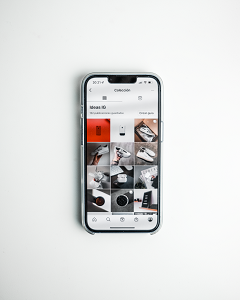
The intersection of social media and fashion has revolutionized how trends are created and disseminated across the globe. Platforms such as Instagram, TikTok, and Pinterest have emerged as not just platforms for self-expression but powerful tools that significantly influence the fashion industry. The visual-centric nature of these platforms allows users to share their personal style, making fashion more accessible to a broader audience than ever before. In recent years, the rise of influencer culture has transformed the way brands engage with consumers. Influencers, who curate their online personas around particular aesthetics, have established a direct line of communication with their followers. This relationship fosters a sense of trust and authenticity, making it easier for brands to market their products. As a result, consumers increasingly rely on social media for fashion advice, leading to a more pronounced impact on purchasing behavior.
Furthermore, the immediacy of sharing on social media means that trends can emerge and evolve at an unprecedented speed. A fashion item displayed in a short video or an eye-catching post can spark viral interest, leading to rapid shifts in what is considered stylish. This phenomenon reflects the fast-paced nature of the digital age, where traditional fashion cycles are often disrupted by the dynamic landscape of social media.
Ultimately, the relationship between social media and fashion is a symbiotic one; as trends are popularized online, they create new market opportunities for brands while influencing consumer preferences. Therefore, understanding this interaction is crucial for anyone interested in the modern fashion landscape, as the digital footprint continues to shape the industry’s trajectory.
The Power of Influencer Marketing
In recent years, the rise of social media has significantly transformed the way fashion trends are created and disseminated. Central to this evolution is the emergence of fashion influencers, individuals who wield substantial power in shaping consumer preferences and driving style choices among their followers. These influencers, often seen as trendsetters, leverage platforms such as Instagram, TikTok, and YouTube to showcase their unique styles, thereby creating a direct connection with their audience.
One notable example is the collaboration between fashion influencer Chiara Ferragni and the luxury brand Dolce & Gabbana. Their partnership resulted in a collection that seamlessly blended Ferragni’s personal style with the brand’s signature aesthetics, showcasing how influencers can elevate a brand’s visibility and appeal to a younger demographic. By integrating contemporary fashion trends with elements of high-end design, such collaborations evidence the profound influence that social media figures can exert on fashion industries.
Similarly, the partnership between the beauty influencer NikkieTutorials and several cosmetic brands illustrates how influencers shape beauty trends as well. Their beauty tutorials not only resonate with vast audiences but also convey skillful applications and product recommendations that followers eagerly adopt. This phenomenon underscores the effectiveness of influencer marketing, as these collaborations often lead to increased product sales and heightened brand loyalty.
Moreover, the fashion landscape has witnessed a shift, with influencers actively collaborating with brands to co-create products tailored to their followers. This synergy not only empowers influencers but also ensures brands stay relevant by aligning with current trends. Influencer marketing thus emerges as a vital strategy, where both parties benefit and consumers are presented with styles that are both accessible and desired.
Viral Trends and Challenges
In the digital age, social media has evolved into a powerful platform for the dissemination of fashion trends. Viral fashion trends and challenges often emerge unexpectedly, gaining traction within hours and spreading globally. Platforms such as Instagram, TikTok, and Twitter frequently serve as incubators for these momentary trends, driven by a combination of creativity and user engagement. Viral challenges typically encourage users to showcase their unique takes on an outfit or style theme, inviting wide participation and fostering a sense of community among followers.
One notable example is the #OOTD (Outfit of the Day) challenge, which prompts individuals to post their daily ensembles, showcasing their personal style. This simple yet effective hashtag has led to a surge in street style inspiration and has enabled users to present their fashion choices in a curated manner. Similarly, dance challenges that integrate fashion elements encourage participants to not only perform but also wear trendy outfits that reflect popular aesthetics, further influencing movement styles in the fashion landscape.
The mechanics of virality are largely driven by visibility—accounts with a significant follower base can amplify trends through shared posts and hashtags, making it easier for new styles to gain traction. The emotional and visual appeal of these posts resonates with audiences, prompting them to recreate looks or participate in challenges themselves. Consequently, fashion brands often capitalize on these viral phenomena by integrating trending styles into their collections or launching campaigns around popular hashtags.
The fast-paced nature of social media allows trends to evolve rapidly; what is considered fashionable today may be deemed passé within weeks. As a result, trends inspired by viral challenges are often characterized by their ephemeral quality, enticing consumers to engage with new styles frequently. This cycle of trend adoption highlights the profound impact social media has on modern fashion consumption.
Diversity in Fashion Trends
In recent years, social media has emerged as a transformative platform for various industries, particularly in fashion. The influence of platforms such as Instagram, TikTok, and Pinterest has significantly broadened the range of fashion inspirations, steering conversations towards inclusivity and diversity. As a result, fashion trends now celebrate a plethora of body types, ethnic backgrounds, and gender identities, challenging the long-held standards of traditional fashion.
Social media has facilitated the rise of movements such as body positivity, where brands are increasingly showcasing models of diverse body shapes and sizes. This shift is evident in companies like Aerie, which proudly promotes unretouched photos of their models. Aerie’s ‘Aerie Real’ campaign not only attracts a wider audience but also fosters a sense of belonging among consumers who have long felt alienated by the industry’s conventional beauty ideals.
Moreover, the representation of different ethnic backgrounds within fashion showcases how social media serves as a powerful tool for marginalized voices. Brands like Fenty Beauty, founded by singer Rihanna, have made waves by offering an extensive range of shades designed to cater to all skin tones. The success of such brands highlights the market demand for inclusivity, further encouraging traditional fashion houses to rethink their marketing strategies.
Gender identity and expression also find new ground on social media platforms. Styles that were once constrained by rigid gender norms are now being redefined and embraced by the fashion community. This is exemplified by the rise of androgynous fashion, where individuals, regardless of their gender, are encouraged to adopt styles that resonate with their personal identity rather than societal expectations. Designers like Harris Reed are at the forefront of this movement, creating collections that celebrate fluidity in gender expression.
In conclusion, social media has proven to be pivotal in fostering diversity within fashion trends. It encourages dialogue surrounding representation, allowing individuals from a multitude of backgrounds to share their experiences and inspire others. The fashion landscape is becoming increasingly inclusive, establishing a richer and more varied tapestry of styles that reflect our complex identities.
Sustainable Fashion Inspired by Social Media
In recent years, the fashion industry has witnessed a significant shift towards sustainability, largely driven by the influence of social media. Through various platforms, such as Instagram, TikTok, and Pinterest, users have amplified discussions on eco-friendly fashion, leading to a rise in consumer awareness and preference for sustainable brands. Social media has become a dynamic space where influencers and everyday individuals advocate for environmentally responsible practices, creating a ripple effect that reaches a wide audience.
One of the most notable trends catalyzed by social media is the popularity of thrift shopping. Enthusiasts share their vintage finds and upcycled creations, showcasing that pre-owned items can possess unique charm and style. With hashtags like #ThriftFlip or #SustainableStyle gaining traction, individuals are encouraged to explore thrift stores and second-hand markets, thereby reducing waste and minimizing their carbon footprint. This movement not only supports sustainability but also promotes individuality in fashion choices, as each piece tells a unique story.
Moreover, platforms are facilitating a demand for transparency and ethical practices in fashion production. As consumers become more informed, they increasingly prioritize brands that demonstrate a commitment to sustainable sourcing, fair labor practices, and environmental stewardship. Discussion forums and influencer collaborations often highlight brands that adhere to these principles, compelling companies to adopt more eco-friendly initiatives to remain competitive in the marketplace. The visual nature of social media allows for powerful storytelling that resonates with consumers, pushing the message of sustainability to the forefront of fashion discussions.
As social media continues to propel the conversation on sustainable fashion, it is evident that its influence is transforming consumer behaviors and expectations. The drive for eco-conscious choices appears to be more than just a trend; it reflects a deeper shift towards responsible consumption in the fashion industry, ensuring that the future is both stylish and sustainable.
Cottagecore and Other Subcultures
The rise of social media has played a pivotal role in the proliferation of various subcultures, among which Cottagecore stands out as a prominent trend. Cottagecore is an aesthetic that romanticizes rural living and traditional skills, emphasizing a nostalgic appreciation for simplicity, nature, and handcrafted goods. This movement gained traction on platforms such as TikTok and Instagram, where users share images and videos showcasing floral dresses, artisan bread-making, and idyllic countryside settings.
Cottagecore draws inspiration from various sources, including literature, art, and vintage fashion. It resurrects elements from pastoral life, showcasing everything from whimsical tea parties to rustic gardening. The imagery often includes soft, muted colors, vintage fabrics, and a focus on sustainability, aligning with contemporary interests in environmentalism and conscious consumption. Such characteristics not only appeal to the aesthetic sensibilities of users but also foster a sense of community among adherents of this lifestyle.
Social media platforms serve as incubators for niche fashions like Cottagecore, where communities can rally around shared interests and values. Hashtags such as #Cottagecore and #CottagecoreOutfits encourage like-minded individuals to connect, share inspiration, and showcase their interpretations of the trend. This grassroots formation enables a diverse array of voices, leading to a rich tapestry of styles that may have previously gone unnoticed in the broader fashion landscape.
Beyond Cottagecore, other subcultures have emerged, each with its unique flair and inspirations. For instance, trends like Dark Academia, which romanticizes classical literature and scholarly pursuits, and Goblincore, which celebrates the beauty in the unconventional and the quirky aspects of nature, are similarly influenced by social media dynamics. These subcultures exemplify how digital platforms democratize fashion, giving rise to an inclusive environment where various aesthetic styles can flourish.
Street Style and User-Generated Content
The influence of street style photography and user-generated content in contemporary fashion cannot be overstated. In recent years, social media platforms, particularly Instagram and TikTok, have emerged as crucial spaces where everyday users play a significant role in shaping and redefining fashion trends. Unlike traditional fashion avenues that primarily highlight high-profile celebrities and brand campaigns, these platforms encourage ordinary individuals to showcase their personal style, thereby democratizing fashion.
Street style photography has gained unprecedented popularity, capturing real-world outfits worn by everyday people in urban settings. This shift has created a vibrant tapestry of fashion inspiration that reflects diverse cultural backgrounds, body types, and personal narratives. As users post their outfits online, they inadvertently become trendsetters, influencing their peers and larger fashion communities. The ability for anyone to become a fashion influencer fosters authenticity in style representation, enabling a wider range of aesthetics to emerge.
Moreover, platforms like Instagram and TikTok have transformed the way trends are perceived and disseminated. Through hashtags, challenges, and viral content, users actively participate in fashion dialogues, allowing them to influence brand strategies and product offerings. This user-generated content encapsulates not just individualistic expressions of style but also reflects broader societal issues, such as sustainability and body positivity, which are becoming increasingly important within the fashion industry.
The accessibility of social media allows fashion enthusiasts to connect, collaborate, and inspire one another. As a result, street style and user-generated content have become pivotal forces in the contemporary fashion landscape, fostering a sense of community that transcends traditional barriers and celebrates creativity in its myriad of forms.
Fast Fashion vs. Slow Fashion on Social Media
The rise of social media has significantly influenced fashion consumption patterns, creating a dichotomy between fast fashion and slow fashion. Fast fashion brands capitalize on social media by rapidly disseminating trends, enabling consumers to access the latest styles at a fraction of the cost. This model promotes a culture of immediacy, where clothing is designed, produced, and marketed in response to fleeting trends. Social media platforms, particularly Instagram and TikTok, facilitate this quick turnover, allowing influencers to showcase outfits that reflect the latest fads, often leading to impulsive buying behaviors among followers. As a result, audiences are often enticed to purchase inexpensive garments that face obsolescence almost as swiftly as they enter their wardrobes.
Conversely, the slow fashion movement champions a more sustainable approach to clothing consumption, emphasizing quality over quantity and the longevity of garments. Advocates of slow fashion utilize social media to instill a sense of appreciation for timeless style, environmentally-conscious production methods, and ethical labor practices. They encourage consumers to consider the impact of their fashion choices, promoting storytelling around brands that prioritize sustainable practices. Influencers involved in this movement often share their personal journeys towards more mindful consumption, which resonates with audiences seeking to express individual style through curated and meaningful pieces.
The tension between these two ideologies on social media reflects a broader societal debate concerning consumerism and sustainability. While fast fashion brands dominate the immediate landscape with their trend-driven offerings, the slow fashion movement is gradually carving out a space for deeper engagement and consideration. Consumers navigate this complex landscape, balancing the allure of quick updates to their wardrobe with a growing awareness of the ethical repercussions of their buying habits. This dynamic interplay continues to shape the discourse surrounding fashion trends on social media, illustrating how digital platforms can either perpetuate or challenge established norms in the fashion industry.
Conclusion: The Future of Fashion Trends and Social Media
The interplay between fashion trends and social media has led to significant changes in the way consumers interact with style and apparel. The proliferation of visual platforms such as Instagram, TikTok, and Pinterest has democratized fashion, enabling creators and influencers to dictate trends at an unprecedented pace. This evolution in the fashion landscape is reflective of shifting consumer behaviors, particularly among younger demographics who prioritize authenticity and relatability in their fashion choices.
Looking ahead, we can anticipate several potential developments in the relationship between fashion and social media. For one, the rise of augmented reality (AR) and virtual reality (VR) technologies may offer consumers immersive shopping experiences, allowing them to try on fashion virtually before making purchases. This innovation could redefine how trends are disseminated and adopted, making it easier for brands to showcase their collections and for consumers to engage with them.
Additionally, as new social media platforms emerge, brands will need to adapt their strategies to cater to different audiences and preferences. The demand for personalized content will likely increase, necessitating a shift towards more targeted marketing tactics. Moreover, the continued focus on sustainability and ethical fashion will shape consumer attitudes, pushing brands to align their messaging with these values to remain relevant in an increasingly conscious marketplace.
In summary, the future of fashion trends will undoubtedly be influenced by the evolving social media landscape. As technology advances and consumer preferences shift, brands must remain flexible and innovative in their approach. The ongoing dialogue between fashion and social media will continue to shape the industry, leading to new trends that resonate with diverse audiences and reflect the realities of modern society. The engagement between consumers and fashion will consistently foster new ways for self-expression and community building, paving the way for exciting advancements in the industry.