
Understanding Your Needs
When selecting the ideal jacket buying guide, it is essential to first gain a clear understanding of your specific needs and lifestyle. This process begins with identifying the primary activities you engage in on a regular basis. For instance, if you are an outdoor enthusiast who often partakes in activities such as hiking or skiing, your jacket requirements will differ significantly from those who primarily need a jacket for casual, everyday wear. Therefore, assessing your activities is crucial in determining the features necessary in your jacket. Moreover, climate plays a pivotal role in your choice of jacket. Consider the typical weather conditions in your area or the environments you plan to visit. For instance, individuals residing in regions subject to harsh winters will benefit from jackets that offer insulation and weatherproof capabilities. Conversely, in warmer climates, lightweight, breathable jackets may be more appropriate. The incorporation of weather-appropriate materials will not only enhance comfort but also functionality.
Personal style preferences are equally important when choosing a jacket. Evaluate what styles resonate with you, as well as the colors and designs that reflect your personality. A jacket that complements your aesthetic not only provides warmth and protection but also boosts your confidence and comfort during wear. By integrating your style preferences into the decision-making process, you can ensure that your jacket not only serves a practical purpose but also aligns with your fashion sense.
In essence, understanding your needs based on your activities, the climate you encounter, and your personal style is crucial in narrowing down your options for the perfect jacket. This comprehensive approach will ultimately lead to a more satisfying purchase, ensuring that the jacket you choose is suitable for your lifestyle and preferences.
Types of Jackets: A Brief Overview
When it comes to outerwear, jackets serve various purposes and cater to different occasions, making them an essential part of any wardrobe. A multitude of jacket types are available, each designed for specific functions and styles.
1. Casual Jackets: These jackets are versatile and suitable for everyday wear. They come in different styles and materials, such as denim, bomber, and hoodie jackets. Casual jackets are ideal for outings with friends, weekend brunches, or informal gatherings. Their relaxed fit and aesthetic appeal make them a popular choice for both men and women.
2. Formal Jackets: Designed to complement dressier outfits, formal jackets include blazers and suit jackets. Typically constructed from fine fabrics like wool or polyester blends, they exude sophistication and polish. Ideal occasions for wearing formal jackets include business meetings, weddings, and other ceremonial events where a stylish appearance is paramount.
3. Outdoor Jackets: Tailored for outdoor activities, these jackets, which include raincoats, windbreakers, and hiking jackets, provide protection against the elements. They are often made from breathable and waterproof materials, ensuring comfort during outdoor adventures. Ideal for hiking, camping, or simply enjoying nature while staying dry, outdoor jackets are a must-have for adventurers.
4. Specialized Jackets: This category encompasses jackets designed for specific activities, such as sports and insulation. For instance, insulated jackets are perfect for cold weather sports or winter excursions, as their thick materials trap heat. Similarly, sports jackets are tailored for performance and mobility, often featuring moisture-wicking fabrics and ventilated designs to enhance athletic endeavors. These jackets are favored by outdoor enthusiasts and athletes alike.
Understanding the various types of jackets and their specific applications can greatly aid in making an informed decision when selecting the right outerwear for any occasion.
Fabric and Material Choices
Choosing the right fabric and material for your jacket is crucial, as it influences durability, comfort, weather resistance, and maintenance. Various fabrics are available, each with its unique characteristics and potential drawbacks.
Cotton is a popular choice due to its softness and breathability. It is a comfortable option for casual jackets, making it ideal for layering in mild climates. However, cotton lacks significant weather resistance, making it unsuitable for heavy rain or cold conditions. Its tendency to absorb moisture can lead to a longer drying time, which may be a drawback for outdoor use.
Leather jackets are renowned for their durability and timeless appeal. They provide excellent insulation and weather resistance, making them suitable for colder climates. However, leather requires regular maintenance and conditioning to keep it from drying out or cracking. While it can endure harsh conditions, leather may not be the best option for those looking for a lightweight or easy-to-care-for jacket.
Polyester is a synthetic material that offers great durability and resistance to shrinking and stretching. It is often moisture-wicking and quick-drying, making it a good option for athletic jackets or those exposed to varying weather conditions. The primary disadvantage of polyester is that it may not be as breathable as natural fibers, potentially leading to discomfort in hot climates.
Lastly, down is a favored insulation material in jackets designed for colder weather. It provides an exceptional warmth-to-weight ratio, allowing for lightweight convenience without sacrificing warmth. However, down jackets typically require careful handling and may not perform well in wet conditions unless treated with water-resistant finishes. In summary, selecting the right fabric depends on your lifestyle needs and the climate in which the jacket will be worn, emphasizing the need to weigh each material’s pros and cons carefully.
Fit and Sizing Considerations
When selecting the ideal jacket, fit and sizing are crucial factors that significantly impact overall comfort and style. The right jacket should complement the wearer’s body type while providing sufficient space for mobility. Body types generally fall into categories such as apple, pear, hourglass, and rectangular shapes. Understanding your body type can guide you toward choosing a jacket cut that accentuates your strengths. For instance, individuals with an hourglass shape may prefer jackets tailored at the waist to highlight their figure, whereas those with a rectangular shape may opt for jackets with flared or structured designs to create curves.
Determining the correct size is equally important. Most manufacturers have size charts which provide measurements for chest, waist, and hip sizes. It is advisable to measure these areas accurately and consult these charts before making a selection. Trying on jackets is vital, as sizes can vary significantly between brands. When trying on a jacket, ensure that it fits snugly without being restrictive. Pay attention to the shoulders; they should align perfectly with your own, allowing for full range of motion without pulling or bunching.
Additionally, check the length of the jacket. A well-fitting jacket should usually end around the hip or slightly below, maintaining a proportionate appearance. As you move your arms, the jacket should stay in place without riding up excessively. Look for features that facilitate comfort, such as adjustable cuffs or interior lining that enhances ease of movement. Also, consider the fabric’s stretchability; materials like spandex blended with cotton or wool can provide a more forgiving fit. Finding a jacket that suits your body type and feels comfortable is essential to ensure both aesthetic appeal and practicality.
Jacket Features and Functionalities
When selecting the perfect jacket, it is essential to consider various features that can significantly enhance its usability and comfort according to your intended use. Key elements such as pockets, zippers, hoods, and lining play a pivotal role in the functionality of the jacket.
Pockets are a vital feature in many jackets, providing convenient storage for essentials like keys, phones, or wallets. The number and placement of pockets can vary widely; some jackets feature interior pockets for added security, while others have zippered front pockets to keep belongings safe during physical activities. Consider what you will be carrying and how you want to access it when choosing a jacket.
Zippers, too, are critical components that can affect the overall performance of a jacket. Look for quality zippers that open smoothly and are resistant to snagging. Jackets with two-way zippers offer the added benefit of adjustable ventilation, which is particularly useful in warmer conditions. Additionally, windproof zippers with protective flaps help keep out the elements, thereby enhancing the jacket’s functionality.
The inclusion of a hood can be advantageous for protection against rain and wind. Hoods can vary from detachable designs to those with adjustable drawstrings, allowing for a customizable fit based on the weather and user preference. Thus, it is beneficial to evaluate whether a hood is necessary for your lifestyle and typical weather conditions.
Lastly, consider the lining of the jacket, which can significantly impact warmth and comfort. Insulating and moisture-wicking materials enhance the jacket’s performance, especially in colder climates or during physical activity. Some jackets may also feature breathable linings that keep you dry and comfortable. Overall, the right combination of these features will aid in selecting a jacket that best meets your needs.
Style and Aesthetics
Choosing a jacket that resonates with your personal style involves understanding your preferences, the trends, and how these elements intertwine with your existing wardrobe. Jackets are not merely functional outerwear; they also play a crucial role in defining your overall look. Consequently, the selection process should consider both style and aesthetic appeal.
One effective strategy to find a jacket that complements your personal style is to analyze your wardrobe. Consider the colors, patterns, and styles of the clothing you frequently wear. A jacket that employs a color palette or design that aligns with your existing pieces will enhance your wardrobe’s cohesiveness. For instance, if much of your attire features neutral colors, opting for a jacket in a bold hue can serve as a statement piece that elevates your outfits.
Staying abreast of current trends is another vital aspect when selecting a jacket. Seasonal trends can influence which styles, colors, and fabrics are more popular at any given time. For example, in recent years, oversized jackets and cropped silhouettes have gained traction, offering versatility for both casual and formal settings. Understanding these trends can guide choices that feel contemporary while remaining true to your style.
Additionally, consider the occasions for which the jacket will be worn. Formal events may warrant structured blazers or tailored coats, while casual outings might be best served with relaxed-fit denim or bomber jackets. Seasonal considerations are equally important; lightweight material options like denim or cotton may be perfect for spring and summer, whereas heavier fabrics such as wool or leather are suited for fall and winter.
Ultimately, the right jacket should serve not just a practical function but also reflect your individuality. By engaging with these elements – wardrobe assessment, current trends, and occasion suitability – you can ensure that your jacket selection harmonizes with your personal style and enhances your overall aesthetic.
Budgeting for Your Jacket
When it comes to purchasing a jacket, setting a budget is essential. Like any other clothing item, jackets come in a wide range of prices, influenced by factors such as brand, material, craftsmanship, and design. It is important to establish a budget that reflects both your financial situation and your requirements. Generally, you can expect to find decent quality jackets starting from around $50 to $100. At this price point, you often get introductory styles made from synthetic materials that can serve well for casual wear. However, these may not always offer durability or warmth, particularly in harsher climates.
As your budget increases to the mid-range of $150 to $300, the quality and craftsmanship of jackets significantly improve. Jackets in this price category often utilize better materials, such as higher-grade cotton or blends, enhanced insulation, and added features such as water resistance. Brands at this level usually focus on more stylish designs and better fit, which can elevate your overall look. If you’re looking for versatile options that transition well from casual outings to semi-formal events, this price range offers good value.
Investing in a higher-end jacket, generally priced above $300, can yield considerable advantages. These jackets are typically constructed from premium materials, such as fine wool, leather, or advanced synthetics. Manufacturers often incorporate innovative technologies for breathability, warmth, and weather resistance. The craftsmanship tends to be superior, leading to a longer lifespan of the jacket. Even though the upfront cost may be higher, a quality piece can save money in the long run by requiring fewer replacements.
To find quality jackets at affordable prices, consider shopping during off-season sales, exploring outlet stores, or looking for reputable online retailers that offer discounts. Quality does not always have to come with a hefty price tag if you know where to look.
Care and Maintenance Tips
Caring for your jacket is essential to ensure its longevity and maintain its appearance over time. Different types of jackets require various maintenance techniques based on their materials. Whether your jacket is made from leather, denim, nylon, or wool, understanding proper care methods will help you extend its life.
For leather jackets, regular conditioning is vital. Use a high-quality leather conditioner every few months to keep the material supple and prevent cracking. When cleaning, opt for a damp cloth to wipe down any dirt. Avoid soaking the leather, and never use harsh chemicals, as they can damage the finish. When storing your leather jacket, hang it on a padded hanger to maintain its shape, and keep it in a cool, dry place away from direct sunlight.
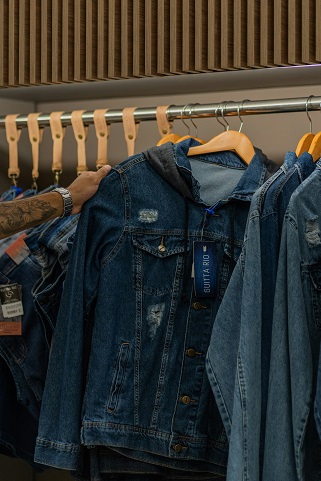
Denim jackets can usually be washed in cold water. It is advisable to turn them inside out to minimize fading. For light stains, spot cleaning with a mild detergent may suffice. To avoid shrinkage, do not tumble dry; instead, let the jacket air dry on a flat surface. When storing, fold the jacket to prevent unnecessary creasing, and keep it in a cool, dry environment.
Nylon jackets, often lightweight and water-resistant, should be cleaned according to specific instructions on their care label. Most can be machine washed on a gentle cycle, but be sure to check for any additional requirements. Hang to dry, and after a few wears, you may want to treat it with a fabric protector spray to maintain its water-repelling qualities.
Wool jackets should be dry cleaned to maintain their structure and prevent damage. Regular brushing can help remove dust and lint, while steam can freshen up the fabric without a complete wash. When not in use, store wool jackets in breathable bags to prevent moth infestations. By integrating these care and maintenance practices, your jacket will not only last longer but will also look great for years to come.
Conclusion and Final Tips
In navigating the myriad options available in the world of jackets, it is essential to understand that the perfect jacket transcends mere aesthetics. It must align with individual preferences in terms of functionality, purpose, and style. Throughout this guide, we have explored how to assess personal needs, including climate considerations and the intended use of the jacket, such as for casual outings, professional settings, or outdoor activities.
When selecting a jacket, it is beneficial to consider various materials and fits that best suit your body type and lifestyle. The right fabric can offer improved durability and comfort, while different styles can express your unique fashion sense. Often overlooked in the decision-making process, the importance of trying on jackets cannot be overstated. Ensure to assess the fit, layering capabilities, and breathability of the jacket as part of the final selection process.
Moreover, when contemplating your purchase, it is wise to research and compare various brands and their reputations for quality. Sometimes investing a bit more in a well-crafted jacket can yield long-term benefits, including enhanced comfort and durability. Always remember to check customer reviews and product ratings to gauge overall satisfaction and performance.
As you embark on your journey to find the ideal jacket, take your time. Assess your personal style and how different jackets align with your requirements. Whether seeking lightweight options for transitional weather or insulated jackets for colder months, your perfect fit is out there. By synthesizing all these considerations, you will be well-equipped to make an informed decision and ultimately choose a jacket that meets your needs while complementing your style. Happy jacket hunting!