

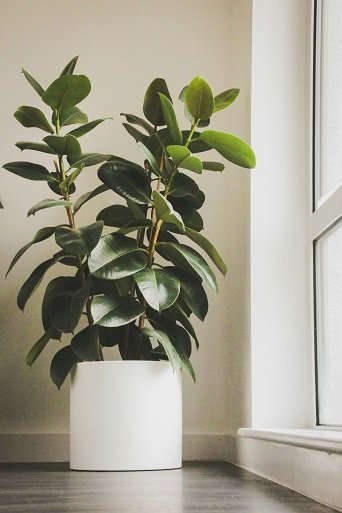
Maintaining good indoor air quality within the home is essential for both health and well-being. Studies indicate that indoor air can be up to five times more polluted than outdoor air, primarily due to the presence of volatile organic compounds (VOCs), particulate matter, and other health-threatening pollutants. These harmful substances can arise from a variety of sources, including household cleaning products, building materials, mold, and even furniture. An alarming statistic from the World Health Organization (WHO) states that approximately 3.8 million people die each year due to exposure to indoor air pollution.
The effects of poor air quality can manifest in numerous ways, impacting both physical and mental health. Respiratory issues such as asthma, bronchitis, and allergies are commonly exacerbated by polluted indoor air. Long-term exposure may lead to more severe conditions, including cardiovascular disease and certain cancers. Beyond physical health, research suggests a strong connection between air quality and mental well-being, with poor indoor air linked to anxiety, fatigue, and decreased cognitive function.
Moreover, poor air quality can affect productivity and quality of life. Studies show that individuals in well-ventilated spaces with clean air tend to perform better and express greater overall satisfaction with their living environments. The incorporation of plants, which have long been recognized for their air-purifying abilities, can serve as an effective strategy to enhance home air quality. By absorbing harmful pollutants, increasing humidity, and releasing oxygen, specific indoor plants can play a crucial role in promoting a healthier and more pleasant living atmosphere.
Top Indoor Plants for Better Air Quality
Indoor plants serve not only as decorative pieces but also play a crucial role in improving air quality in homes. Below are several noteworthy species that are renowned for their air-purifying capabilities, along with details on their unique benefits.
1. Spider Plant (Chlorophytum comosum): Commonly found in homes, the spider plant is effective at removing formaldehyde and xylene from the air. This resilient plant thrives in indirect sunlight and requires minimal watering, making it perfect for busy households.
2. Peace Lily (Spathiphyllum spp.): The peace lily is not only visually appealing with its elegant white blooms but is also powerful at filtering toxins such as ammonia, benzene, and formaldehyde. It prefers low to moderate light and needs watering only when the soil is dry to the touch.
3. Bamboo Palm (Chamaedorea seifrizii): This tall, graceful palm plant effectively removes formaldehyde and other volatile organic compounds (VOCs) from the air. It thrives in shaded areas, making it an excellent choice for indoor environments with less natural light.
4. Boston Fern (Nephrolepis exaltata): Renowned for its air-purifying properties, the Boston fern excels at eliminating formaldehyde and other pollutants. It prefers humid environments, requiring regular misting and a consistent watering regimen to keep the soil moist.
5. Dracaena (Dracaena spp.): With several varieties available, Dracaena is effective at removing toxins like benzene and trichloroethylene. These plants can adapt to various light conditions and typically require only occasional watering, making them suitable for novice plant keepers.
6. Snake Plant (Sansevieria trifasciata): Famous for its striking upright leaves, the snake plant is particularly adept at converting carbon dioxide into oxygen during the night, enhancing air quality while you sleep. This low-maintenance plant thrives in low light and infrequent watering, making it ideal for any indoor space.
By incorporating these versatile indoor plants into your living space, you can significantly enhance the air quality while enjoying the aesthetic value they bring. Each plant not only contributes to a healthier home environment but also adds a touch of nature to your decor.
How to Care for Indoor Plants to Maximize Air Quality Benefits
Caring for indoor plants is essential not only for their growth but also for maximizing their ability to improve indoor air quality. Proper attention to various factors such as light exposure, watering schedules, soil quality, and fertilization can help maintain vibrant plants that perform their air-purifying functions effectively.
Light exposure is one of the fundamental aspects to consider when caring for indoor plants. Different plants have varying light requirements; some thrive in low-light conditions, while others need ample sunlight to flourish. It is important to position your plants according to their needs, ensuring they receive adequate light without being scorched. Observing the plant’s response to light—such as stretching towards the window—can be an indicator of its light necessity.
Watering schedules also play a crucial role in plant health. Overwatering is a common mistake that can lead to root rot and other issues, while underwatering may hinder growth. A good practice is to check the soil moisture before watering by inserting a finger about an inch into the soil; water only when it feels dry. Additionally, using pots with drainage holes can prevent excess water accumulation and promote healthy root development.
Soil quality is another critical factor to consider. Using high-quality potting mix can ensure that the plants have access to essential nutrients and proper aeration, which supports their growth. Regularly checking the soil for compaction and replenishing nutrients as needed will help maintain a healthy growing environment.
Fertilization should be approached with caution, as over-fertilization can harm plants. Utilizing a balanced fertilizer during the growing season and adhering to the recommended dosage can boost plant health without causing stress. By focusing on these essential care practices, indoor plants can thrive, thereby maximizing their beneficial impact on home air quality.
Creating an Indoor Garden for Air Quality and Aesthetic Appeal
An indoor garden not only enhances the aesthetic appeal of your home but also significantly contributes to improving air quality. When designing your indoor plant collection, the arrangement and selection of plants are crucial factors to consider. To begin with, evaluating the light conditions in your home will help in choosing the right species that thrive in those environments. For instance, if a room is well-lit, consider placing sun-loving plants like succulents or rubber plants that can flourish in brighter conditions.
Incorporating various plant sizes can create visual interest within your indoor garden. Taller plants, such as Dracaenas or Fiddle Leaf Figs, can serve as focal points in living areas or corners, while smaller houseplants like pothos or spider plants can adorn shelves and tabletops. Moreover, combining plants with different leaf textures and colors promotes diversity, adding depth to your indoor spaces.
It is essential to integrate plants into different areas of your home thoughtfully. For living rooms, consider arranging them in clusters or in geometric patterns for a polished look. In bedrooms, smaller plants that are known for their air-purifying abilities, such as peace lilies or snake plants, can be placed on nightstands, contributing to a tranquil ambiance while promoting restful sleep. In office spaces, positioning plants such as ZZ plants or Chinese evergreens can help in enhancing focus and reducing stress.
Finally, remember to consider maintenance needs. Selecting plants with varying water and light requirements will allow for easier care and longevity. Creating an indoor garden not only transforms your living space into a greener environment but actively works towards purifying the air, making it a worthwhile endeavor for both your home and health.