

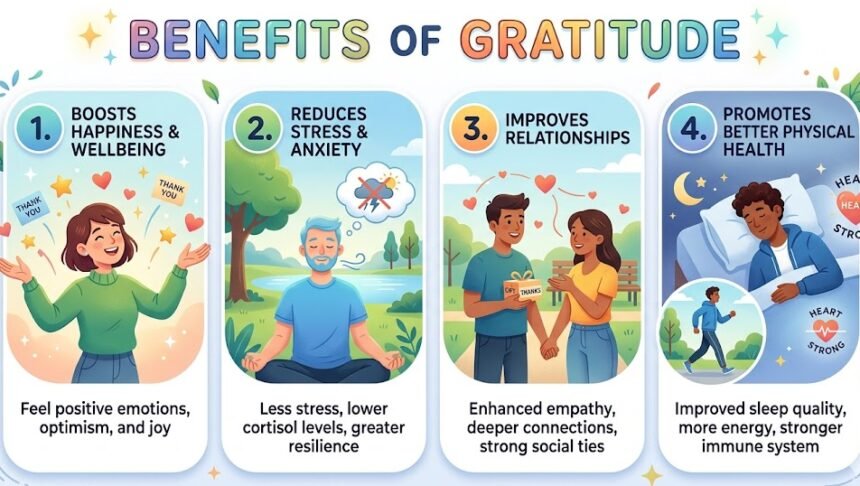
Benefits of gratitude is often heralded as a cornerstone of enhanced mental well-being and overall happiness. This positive psychological state can be cultivated through various practices that encourage individuals to recognize and appreciate the good in their lives. One effective method is maintaining a gratitude journal. This practice involves dedicating a few minutes each day to write down things for which one is thankful. Studies suggest that consistent journaling about positive experiences significantly correlates with increased levels of happiness and decreased depressive symptoms.
Another avenue for cultivating gratitude is through expressing appreciation. This can range from verbal acknowledgments to written notes or messages of thanks directed at people who have made a positive impact. Research supports that expressing gratitude fosters stronger social bonds and amplifies feelings of happiness, as it not only lifts the mood of the person expressing gratitude but also positively affects the recipient.
Reflecting on positive experiences is another method to enhance one’s benefits of gratitude practice. Taking the time to reminisce about joyful memories or significant achievements can evoke feelings of happiness that might otherwise go unrecognized in the fast pace of daily life. By intentionally focusing on these moments, individuals can foster a more positive mindset and promote mental wellness.
Incorporating benefits of gratitude into daily routines does not require extensive time or effort; it can be as simple as setting aside a few moments each day for reflection or appreciation. Over time, these practices can lead to profound shifts in perspective, contributing to a greater sense of fulfillment and joy. Ultimately, by integrating gratitude into one’s lifestyle, individuals can experience a notable boost in their happiness levels, supported by an array of scientific studies highlighting its positive impacts on mental health.
Engaging in Regular Physical Activity
Regular physical activity is a key component in enhancing overall happiness and well-being. Numerous studies have shown that exercise is not only beneficial for physical health but also plays a significant role in improving mood and reducing anxiety. The release of endorphins during physical activity is one of the primary reasons that individuals often experience an uplift in their mental state following exercise. These endorphins act as natural mood lifters, providing a sense of euphoria often referred to as the “runner’s high.”
Physical activity can take many forms, each with its unique benefits of gratitude. Simple exercises such as walking or jogging can be easily integrated into daily routines, while activities like yoga offer additional mental and emotional benefits. Yoga not only enhances flexibility and strength but also promotes mindfulness, helping individuals to manage stress levels effectively. Team sports provide an added advantage by fostering social connections and teamwork, which are crucial for emotional support and camaraderie.
Moreover, engaging in regular exercise can lead to significant improvements in self-esteem. As individuals become more physically active, they often notice improvements in their body image and overall health, contributing to a more positive self-perception. Additionally, physical activity is linked to better sleep patterns, which further enhances mood and energy levels throughout the day. Individuals who maintain an active lifestyle often report feeling more alert and capable of handling challenges, both personal and professional.
In fostering a commitment to regular exercise, it is essential to find activities that resonate personally. Whether it’s dancing, hiking, or joining a fitness class, discovering a form of physical activity that is enjoyable increases the likelihood of sustaining it as a habit. As such, incorporating regular physical activity is indeed a powerful lifestyle change that can greatly boost happiness and improve quality of life.
Nurturing Relationships and Social Connections
Strong social ties play a pivotal role in fostering overall happiness and emotional well-being. Engaging with family, friends, and the community significantly enhances one’s quality of life. Studies have consistently shown that individuals with close social connections experience lower levels of stress, improved mental health, and greater life satisfaction.
Spending quality time with loved ones can lead to shared experiences that create lasting memories. Activities such as family dinners, outings with friends, or participating in social clubs can foster deeper connections. Additionally, being part of social networks provides a sense of belonging and acceptance, which are vital components of emotional health.
Moreover, the benefits of social support extend to enhancing resilience during challenging times. Having someone to lean on during stressors allows individuals to cope more effectively, resulting in better mental and emotional outcomes. Research indicates that people who maintain strong social networks are more likely to recover from adversity, illustrating the protective effects of social connections.
To cultivate and maintain these important relationships, one can begin by reaching out and reconnecting with acquaintances. Setting aside dedicated time for social activities fosters a routine that can ultimately lead to stronger bonds. It is also beneficial to seek out new social opportunities, such as joining clubs or volunteering, which can broaden one’s social circle.
In cultivating these relationships, expressing appreciation and kindness can significantly enhance interpersonal dynamics. Simple gestures such as sending a thoughtful message or planning a get-together can strengthen emotional ties. Overall, nurturing relationships and social connections is essential for enhancing happiness and emotional well-being.
Prioritizing Self-Care and Mindfulness
In our fast-paced lives, it is crucial to prioritize self-care and mindfulness as a means of enhancing mental health and overall happiness. Self-care encompasses a broad range of practices aimed at nurturing one’s well-being, which can lead to a more fulfilling life. Engaging in regular self-care activities allows individuals to recharge, reducing stress levels and promoting resilience in the face of challenges.
Mindfulness, a concept rooted in present-moment awareness, is an essential component of self-care. By focusing on the here and now, mindfulness techniques help in mitigating anxiety and improving emotional regulation. Meditation is a highly effective mindfulness practice that encourages individuals to engage in deep breathing exercises and visualization techniques, fostering a sense of calm and clarity. Furthermore, relaxation techniques, such as progressive muscle relaxation or guided imagery, can assist in relieving tension and restoring balance to one’s mental state.
To incorporate self-care routines into daily life, it is advisable to schedule specific times dedicated to such practices, even amidst busy periods. Simple acts such as taking a leisurely walk in nature, reading a book, or practicing yoga can profoundly impact one’s mood and outlook. Additionally, engaging in hobbies that spark joy contributes to mental well-being. This could include arts and crafts, benefits of gratitude, or cooking your favorite meal, all of which can serve as effective outlets for stress relief.
Allocating time for oneself is by no means indulgent; it is a necessary aspect of maintaining mental health. When individuals treat self-care as a priority rather than an afterthought, they cultivate a foundation for enhanced focus, productivity, and happiness. Ultimately, integrating these practices into one’s life can help create a more balanced and satisfied existence.