
Energy efficiency refers to the use of technology and practices that require less energy to perform the same function. By harnessing advanced technologies and implementing effective strategies, energy efficiency not only reduces the amount of energy consumed but also leads to significant financial savings for homeowners and businesses alike. This concept plays a crucial role in creating sustainable living environments while minimizing our ecological footprint. The importance of energy efficiency cannot be overstated. As the global demand for energy continues to rise, conservation practices are becoming increasingly necessary to address the impending energy crisis and environmental issues. When individuals and organizations commit to energy-efficient practices, they contribute to a marked decrease in greenhouse gas emissions, which are largely responsible for climate change. Consequently, energy efficiency emerges as a formidable tool in the fight against environmental degradation. Moreover, energy-efficient upgrades provide numerous benefits. For homeowners, investing in energy-efficient appliances, insulation, or windows can lead to substantial reductions in monthly utility bills. Similarly, businesses that adopt energy-efficient solutions not only lower operational costs but also enhance their overall productivity by creating a more comfortable and conducive working environment. The economic advantages are complemented by the positive impact on the environment, as reducing energy consumption leads to less pollution and depletion of natural resources. Ultimately, as energy-efficient technologies continue to evolve, their integration into everyday life will become increasingly vital. Individuals, businesses, and communities that prioritize energy efficiency stand to gain financially while also contributing positively to environmental preservation. As we explore various energy-efficient upgrades throughout this blog post, it will become evident how these practices benefit both personal finances and our planet as a whole.
Financial Benefits of Energy-Efficient Upgrades
Investing in energy-efficient upgrades can yield significant financial benefits for homeowners and businesses alike. One of the most immediate advantages associated with such upgrades is the potential for reduced utility bills. By replacing outdated systems and appliances with energy-efficient alternatives, users often experience a dramatic decrease in their energy consumption. For example, ENERGY STAR® certified appliances generally use between 10 to 50 percent less energy compared to their non-certified counterparts, translating directly into lower monthly expenses.
Moreover, energy-efficient upgrades can lead to attractive tax incentives and rebates. Many governments and energy providers offer financial incentives to encourage consumers to adopt greener technologies. These programs can significantly offset the initial costs of purchasing and installing energy-efficient equipment. For instance, homeowners may qualify for federal tax credits or local utility rebates, which can further enhance the return on investment associated with energy upgrades.
In addition to ongoing cost savings, energy-efficient upgrades can also enhance a property’s value. Prospective buyers are increasingly seeking homes equipped with modern, energy-efficient systems, recognizing the long-term savings and environmental benefits they offer. Research indicates that energy-efficient properties usually return a higher resale price, making them a lucrative investment for the future. Therefore, not only do these upgrades contribute to a lower carbon footprint, but they also provide a compelling financial return over time.
Overall, the decision to invest in energy-efficient upgrades encompasses both immediate and long-lasting financial benefits. By reducing utility bills, leveraging available financial incentives, and enhancing property values, these upgrades represent a wise choice for homeowners who wish to save money while benefitting the planet.
Environmental Impact of Energy Efficiency
Energy-efficient upgrades play a crucial role in mitigating environmental degradation by significantly reducing energy consumption. When households and businesses implement energy-efficient practices, they directly decrease their reliance on fossil fuels, which are major contributors to greenhouse gas emissions. These emissions, primarily carbon dioxide, not only contribute to global warming but also lead to various adverse effects on the environment, such as deteriorating air quality and harming ecosystems.
By adopting energy-efficient technologies such as LED lighting, high-efficiency appliances, and enhanced insulation, individuals and organizations can lower their energy demand. This reduction in energy usage results in fewer fossil fuels burned in power plants, thereby leading to a notable decline in harmful emissions released into the atmosphere. Additionally, energy efficiency can drastically lower the overall carbon footprint of a community, promoting cleaner air and healthier living conditions for all inhabitants.
Beyond greenhouse gas reductions, energy-efficient practices contribute to the conservation of natural resources. Energy production, especially from non-renewable sources, requires significant water and land resources, which can lead to habitat destruction, water scarcity, and biodiversity loss. When energy consumption decreases, the pressure on these vital resources is simultaneously alleviated, fostering a more sustainable interaction with our planet.
Moreover, energy efficiency initiatives support the fight against climate change, an existential threat that demands urgent collaborative action. By prioritizing energy-efficient upgrades, we not only enhance our living environments and reduce costs, but we also contribute positively to the global effort to preserve the planet for future generations. The synergy of economic savings and environmental benefits establishes energy efficiency as a cornerstone of sustainable development.
Key Areas for Energy-Efficient Upgrades
This section aims to illuminate key areas in both residential and commercial settings where energy-efficient upgrades can profoundly impact energy consumption and operational costs. By addressing these critical domains, property owners can significantly reduce their ecological footprint while simultaneously enjoying financial savings.
One of the primary areas for energy-efficient upgrades is insulation. Proper insulation in attics, walls, and basements can minimize energy loss, leading to reduced heating and cooling demands. Upgrading to high-quality insulation materials can cost-effectively maintain indoor temperatures, thereby enhancing comfort while lowering energy bills.
Another crucial focus area is windows. Outdated windows can be a significant source of energy inefficiency due to drafts and heat transfer. Installing double or triple-pane windows with low-emissivity coatings can improve thermal performance and decrease the need for excessive heating or cooling, resulting in long-term cost savings.
Furthermore, heating and cooling systems present an opportunity for substantial upgrades. Central heating and cooling systems, when optimized or replaced with high-efficiency models, can substantially decrease energy consumption. Consideration should be given to smart thermostats, which facilitate better energy management by allowing users to schedule heating and cooling based on their habits.
Lastly, upgrading appliances can lead to significant energy savings. Appliances such as refrigerators, washing machines, and dishwashers consume a considerable amount of energy. Opting for ENERGY STAR-rated appliances ensures users are choosing models designed for maximum efficiency, minimizing energy consumption and reducing utility expenses.
In conclusion, identifying these key areas for energy-efficient upgrades can drive effective strategies for saving money and benefiting the planet. By adopting these improvements, individuals and businesses can contribute to a more sustainable future while enjoying the associated financial incentives.
Types of Energy-Efficient Upgrades
In the pursuit of sustainability and cost-effective living, there are several types of energy-efficient upgrades that homeowners can consider. These enhancements not only contribute to reducing energy consumption but also offer long-term financial savings. Below, we will explore some of the most impactful options available today.
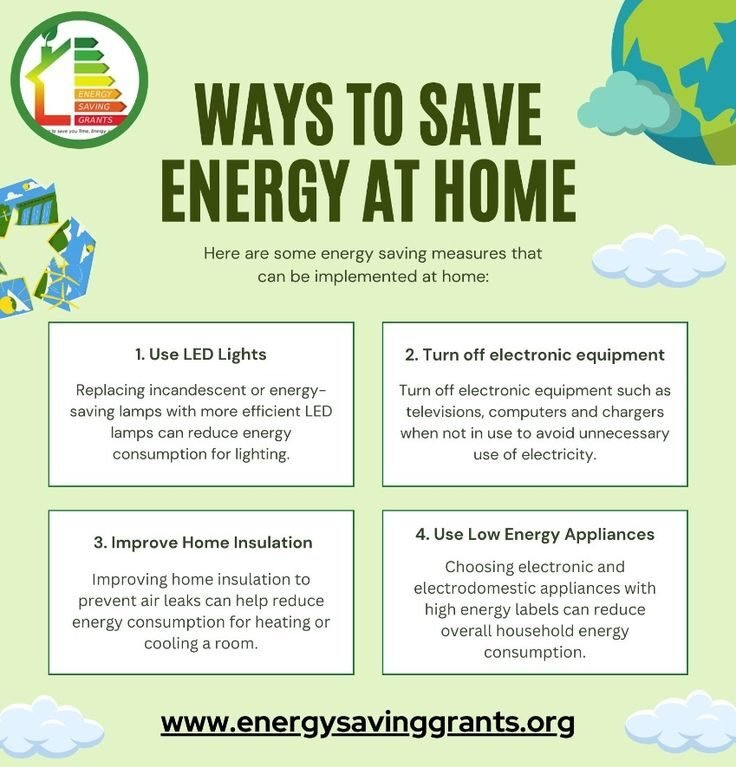
One of the simplest upgrades to implement is the replacement of traditional lighting with LED lighting. LED bulbs consume significantly less energy than incandescent bulbs, lasting up to 25 times longer. By making this switch, homeowners can notice a marked decrease in their electricity bills while also reducing the frequency of replacements.
Another notable upgrade is the installation of Energy Star-rated appliances. These devices are designed to meet strict efficiency guidelines set by the U.S. Environmental Protection Agency. They use less energy and water compared to their conventional counterparts, translating into substantial savings on utility bills over time. Popular choices include refrigerators, washing machines, and dishwashers that bear the Energy Star label.
Smart thermostats are another advancement that can lead to significant energy savings. These devices learn the homeowner’s schedule and automatically adjust the temperature, ensuring optimal heating or cooling when needed while conserving energy when not. Many models can be controlled remotely via smartphones, providing added convenience.
Lastly, for those interested in renewable energy, solar panels represent a transformative upgrade. By harnessing sunlight to generate electricity, homeowners can reduce their reliance on fossil fuels and potentially eliminate their electricity bills altogether. Various incentives and rebates may further offset the initial installation costs, making this investment more accessible.
Each of these energy-efficient upgrades not only provides environmental benefits but also promotes substantial economic advantages, leading to an overall more sustainable lifestyle.
Choosing the Right Energy-Efficient Upgrades
Making informed decisions about energy-efficient upgrades starts with a thorough assessment of your specific needs and circumstances. The primary factors to consider include your budget, the structure of your home, and the climate in your region. Each of these elements can significantly influence which upgrades will yield the best results in terms of energy savings and environmental impact.
To begin the process, conducting a comprehensive energy audit is essential. An energy audit will evaluate how much energy your home consumes and identify areas where improvements can be made. This can either be done by a professional or, for those on a tighter budget, conducted independently using various tools and resources available online. During this audit, focus on common trouble spots such as insulation, windows, doors, heating and cooling systems, and appliances. By recognizing these inefficiencies, you will gain clearer insights into which upgrades will be most effective for your home.
Once you have completed your audit, consider consulting with professionals who specialize in energy solutions. These experts can recommend specific upgrades that align with your unique home structure and local climate. For instance, if you live in a particularly hot area, investing in high-efficiency cooling systems or reflective roofing may be beneficial. Conversely, in colder climates, enhancements in insulation and energy-efficient heating systems might be more suitable.
Another aspect to weigh is your budget, as energy-efficient upgrades can vary significantly in cost. Some solutions, such as switching to LED lighting or sealing gaps and cracks, can be more affordable and yield immediate results. On the other hand, larger renovations like replacing windows or installing solar panels may require more substantial investment but could provide significant long-term savings.
Case Studies: Real-Life Savings
Examining real-life examples of individuals and businesses that have adopted energy-efficient upgrades can provide valuable insights into the tangible benefits of these investments. A prominent case is that of a small retail store in California, which implemented LED lighting across its premises. The owner reported a remarkable reduction in energy bills by approximately 60%, resulting in savings of around $4,500 annually. The replacement of traditional fluorescent bulbs with energy-efficient LEDs not only cut costs but also enhanced the store’s ambiance, attracting more customers.
Another noteworthy example is a local school district that undertook a comprehensive energy efficiency overhaul which included installing high-efficiency HVAC systems and programmable thermostats. As a result, the district achieved an annual savings of over $100,000. This financial relief allowed the district to redirect funds towards educational resources, benefiting students and teachers alike. The upgrades provided an additional advantage by reducing the school’s carbon footprint significantly, showcasing the dual impact of financial and environmental benefits.
A third case study involves a warehouse facility that integrated solar panels into its energy strategy. By harnessing renewable energy, the facility not only met its energy needs but also generated surplus energy, which was sold back to the grid. This initiative led to savings of approximately $150,000 annually, while the environmental impact reduced the facility’s emissions substantially, contributing positively to the local ecosystem.
These case studies exemplify the substantial financial savings and environmental advantages achievable through energy-efficient upgrades. As more individuals and organizations embrace such changes, the cumulative effect significantly contributes to the global efforts in achieving sustainability, ultimately benefiting both consumers and the planet.
Common Misconceptions About Energy Efficiency
Energy efficiency is often misunderstood, leading to skepticism regarding its true benefits and potential. One prevalent myth suggests that energy-efficient upgrades are prohibitively expensive, thereby deterring many homeowners from considering these investments. While it is true that some energy-efficient products might require a higher upfront investment, many of them yield substantial long-term savings on utility bills. Moreover, various federal and state incentives often offset these initial costs, making energy-efficient solutions more accessible. Therefore, immediate costs should not overshadow the long-term financial advantages and reduced environmental impact.
Another common misconception is the belief that newer energy-efficient technologies lack effectiveness. Critics often argue that traditional systems are more reliable. However, advancements in technology have driven the efficiency of modern appliances, insulation materials, and HVAC systems to new heights. Energy-efficient technologies are extensively tested to ensure they not only meet but exceed performance standards, significantly reducing energy consumption while providing the same or even enhanced level of comfort and utility.
Additionally, many homeowners are concerned about the longevity of energy-efficient installations. There is a misconception that these products wear out more quickly than their conventional counterparts. In fact, many energy-efficient solutions, such as LED lighting and high-efficiency heating systems, are designed for durability, often lasting longer than standard products. Investing in these technologies can actually lead to less frequent replacements and lower overall maintenance costs.
By addressing these misconceptions, it becomes evident that considering energy-efficient upgrades is not only economically beneficial but also vital for promoting environmental sustainability. Taking the plunge into energy efficiency can result in a win-win situation, balancing financial savings with a reduced carbon footprint.
Conclusion and Call to Action
In evaluating energy-efficient upgrades, it is apparent that they not only contribute to significant savings on utility bills but also play a vital role in fostering environmental sustainability. By integrating energy-efficient technologies, homeowners and businesses can reduce their carbon footprint and promote a greener future. From upgrading to energy-efficient appliances to improving insulation and adopting renewable energy sources, the potential for savings is substantial, and the environmental impact is profound.
The journey toward energy efficiency begins with a comprehensive assessment of current energy usage. Individuals are encouraged to examine their utility bills, identify areas of excessive consumption, and explore potential upgrades that align with their budget and sustainability goals. Simple steps such as replacing incandescent bulbs with LED lighting, investing in smart thermostats, and sealing leaks in windows and doors can lead to immediate benefits and substantial long-term savings.
Moreover, taking advantage of available rebates and incentives for energy-efficient upgrades can further ease the financial burden associated with these enhancements. It is essential to stay informed about government programs and utility incentives designed to support the transition to energy-efficient solutions.
In conclusion, the move towards energy-efficient upgrades represents an opportunity not only to save money but also to contribute positively to the planet’s future. By making informed choices and undertaking necessary actions now, individuals can significantly impact their energy consumption patterns. We urge readers to prioritize energy efficiency in their homes and businesses, thereby embracing a sustainable lifestyle that benefits both personal finances and the environment.