

The digital landscape is evolving at breakneck speed, and with it, the way we do business. Online business models are not just a trend; they represent a seismic shift in how entrepreneurs operate and connect with consumers. From e-commerce giants to niche subscription services, these models have opened up new avenues for revenue generation and customer engagement. As more individuals recognize the potential of online platforms, it’s no surprise that the growth trajectory of online businesses continues to soar. Why is this happening? Let’s dive into the advantages these models offer and explore what sets them apart in today’s market.
Advantages of online businesses
The advantages of online businesses are numerous and compelling. First, the lower overhead costs set them apart. Without a physical storefront, expenses like rent and utilities diminish significantly. Flexibility is another key benefit. Entrepreneurs can operate from anywhere with an internet connection. This freedom allows for a better work-life balance, which many crave today. Additionally, online businesses have access to a global audience. Unlike traditional shops that are limited by geography, e-commerce platforms can reach customers around the world. Marketing possibilities are also enhanced through digital channels. Social media and email marketing enable targeted outreach at minimal cost. Customer insights gained through analytics provide invaluable data for improvement. Understanding consumer behavior helps in making informed decisions about products or services offered. Scalability becomes easier as demand grows. Online systems allow for quick adjustments without the logistical challenges faced by brick-and-mortar operations.
Types of online business models
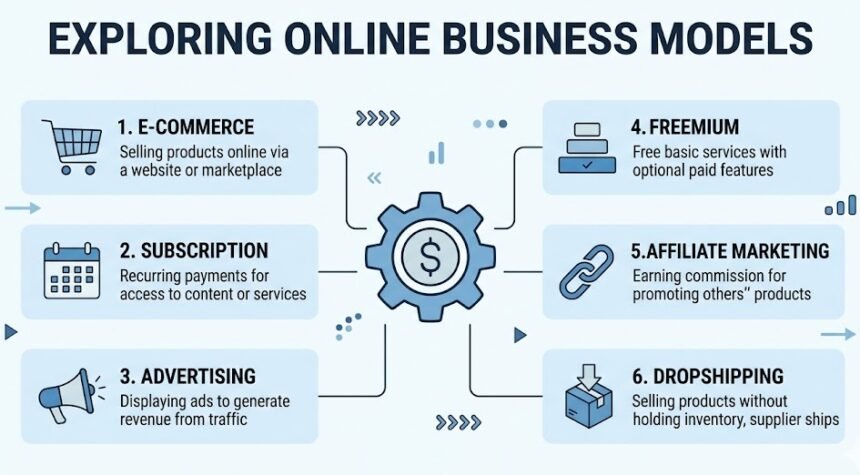
There are several types of online business models, each catering to different needs and markets. E-commerce stands out as the most prominent model. Businesses sell products directly to consumers through websites or marketplaces like Amazon. Subscription services have gained traction too. Companies offer access to products or content for a recurring fee, ensuring steady revenue. Think Netflix or subscription boxes that surprise customers monthly. Affiliate marketing is another interesting approach. Here, individuals promote other companies’ products and earn a commission on sales generated through their referrals. Freemium models attract users by offering basic services free of charge while charging for advanced features. Many software firms utilize this strategy effectively. Online courses and coaching create opportunities for experts to share knowledge while generating income from learners eager to enhance their skills in various fields. Each type serves distinct audiences and taps into unique market dynamics.
Case studies of successful online businesses
Amazon started as an online bookstore in 1994. Today, it has evolved into the largest e-commerce platform worldwide. By diversifying its product range and offering fast shipping through Amazon Prime, the company has redefined shopping. Another success story is Airbnb. Launched in 2008, it transformed how people travel by allowing homeowners to rent out their spaces. Their user-friendly interface and trust-building features like reviews have made them a leader in the hospitality sector. Then there’s Shopify, which began as a simple online store for snowboards in 2006. Now it’s a robust platform empowering entrepreneurs to build their brands easily. They provide tools that simplify everything from website design to payment processing. These case studies illustrate the potential of innovative thinking within various industries driven by digital transformation and consumer demand.
Challenges and risks involved in starting an online business
Starting an online business can be thrilling, but it’s not without its hurdles. One of the most significant challenges is competition. The digital marketplace is crowded, making differentiation essential. Another risk involves technological issues. Website crashes or security breaches can damage your reputation and customer trust. Investing in reliable tech solutions becomes crucial to mitigate these risks. Cash flow management also presents a challenge for newcomers. It’s vital to balance expenses with revenue while navigating unexpected costs that may arise unexpectedly. Regulatory compliance is another area where many entrepreneurs stumble. Understanding tax obligations and e-commerce regulations can feel overwhelming yet necessary to avoid legal pitfalls. Marketing your online venture effectively requires skill and strategy. Without solid plans, potential customers may never discover what you offer, leaving your hard work unnoticed amidst the vast internet landscape.
Tips for creating a successful online business
Starting an online business requires a strategic approach. First, identify your niche. Research market trends to find gaps where you can add value. Next, create a user-friendly website. A clean design and intuitive navigation keep visitors engaged. Optimize for mobile devices since many customers shop on their phones. Develop a strong digital marketing plan. Utilize social media platforms to connect with your audience and share engaging content that reflects your brand’s personality. Focus on customer service as well. Quick responses and personalized interactions build loyalty and trust over time. Analyze your performance regularly. Use analytics tools to track visitor behavior and sales patterns, enabling continuous improvement in your strategies.
The future of online business models
The future of online business models is poised for significant transformation. As technology continues to evolve, so do consumer behaviors and preferences. This dynamic environment creates opportunities for innovative approaches. Emerging technologies like artificial intelligence and blockchain are reshaping how businesses operate. They enhance efficiency and security while offering personalized customer experiences. Sustainability will also play a crucial role in shaping future online ventures. Consumers are increasingly drawn to brands that prioritize ethical practices and environmental responsibility. Additionally, the rise of social commerce indicates a shift in purchasing methods. Businesses can leverage social media platforms not just for marketing but as direct sales channels. As we look ahead, flexibility will be essential. Those who adapt quickly to changing trends will thrive in this ever-evolving landscape of online business models.
Conclusion:
The rise of online business models is reshaping the economic landscape. As more entrepreneurs embrace digital avenues, we see a diverse range of opportunities emerging. The advantages they offer are compelling, such as lower overhead costs and the ability to reach global markets. Various types of online business models cater to different needs and demographics, from e-commerce stores to subscription services. The success stories that have emerged highlight how innovative approaches can lead to significant growth and customer loyalty. However, it’s essential to recognize that starting an online business comes with its own set of challenges. Competition is fierce, marketing can be complex, and maintaining customer trust requires constant effort. For those ready to dive in, implementing sound strategies can pave the way for success. A clear understanding of your target audience paired with effective marketing tactics makes all the difference. Looking ahead, online business models will likely continue evolving. Emerging technologies like AI and machine learning promise new ways for businesses to connect with consumers efficiently. Embracing change while being aware of potential pitfalls will empower aspiring entrepreneurs in this fast-growing domain.