

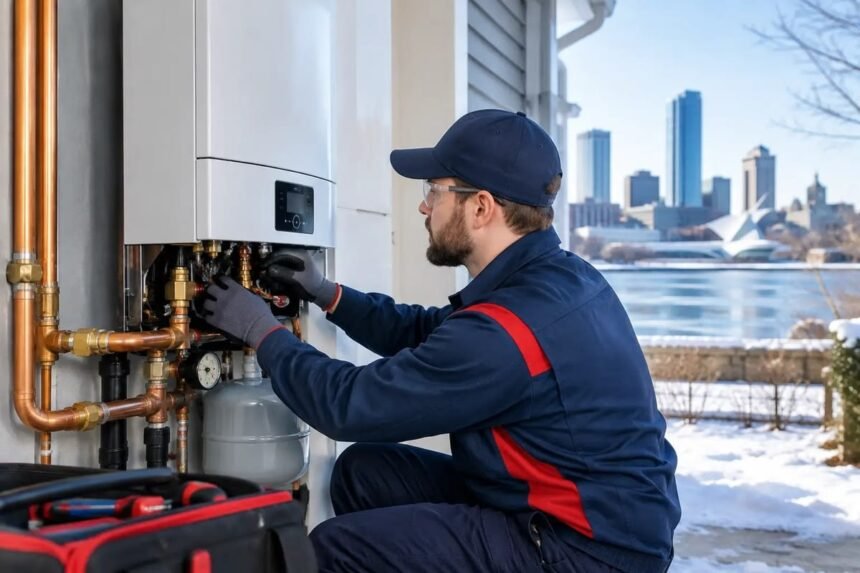
Few household problems feel as urgent as a cold shower on a winter morning. When a hot water system finally gives up, most Sydney homeowners want it replaced quickly, and that is exactly when it is easiest to accept the first quote that lands in your inbox. A little preparation can save you hundreds of dollars and a lot of frustration.
This guide walks through what actually drives the price of a new hot water system, why two quotes for the “same” job can look so different, and the questions worth asking before anyone starts work.
Why Hot Water Quotes Vary So Much
Advertised prices in Sydney range from under $1,000 for a small electric unit to well over $5,000 for a premium heat pump. Those numbers are not really comparable, because they describe very different jobs.
The biggest factors are:
- System type and size. A 250 to 315 litre electric storage tank, a gas continuous-flow unit and a heat pump all have different product and installation costs.
- Like-for-like or a conversion. Swapping a tank in the same position usually reuses existing connections. Switching from gas to a heat pump, or moving the unit, can mean new electrical circuits, capping gas lines, a new base and extra plumbing.
- Access. Units in roof spaces, tight side passages or upstairs cupboards take more time and sometimes lifting equipment.
- Timing. Same-day, weekend and public holiday installs are often priced differently.
A quote that simply says “installed” without explaining these points is hard to compare with anything else.
The Line Items Worth Checking
When you collect quotes, ask each installer to list the following separately:
- The system itself (brand, model and capacity)
- Standard installation labour
- Removal and disposal of the old unit
- The temperature-control device (often a tempering valve)
- Any other valves needed for your installation
- Electrical or gas work
- Access equipment or relocation costs
- Compliance certificates
- GST
- Any rebates or certificates already deducted
That last point matters more than most people realise. Heat pump prices are often advertised after federal certificates have been applied at the point of sale. If you then subtract a rebate again in your own head, you will underestimate the real cost. Ask the installer to show the price before and after incentives so nothing gets counted twice.
Electric, Gas or Heat Pump?
Each technology suits a different household.
Electric storage is usually the simplest replacement when the existing circuit and position are suitable. It is often the cheapest to install, but running costs depend heavily on whether you are on a controlled-load tariff.
Gas storage and continuous flow work well where there is an existing gas connection. Continuous-flow units heat water on demand, so they avoid the heat lost from a storage tank. All gas work must be completed by a licensed gasfitter, who should provide a compliance certificate.
Heat pumps cost more upfront but use far less electricity to heat the same amount of water. NSW households replacing an electric or gas system with an eligible heat pump may receive an upfront discount, subject to eligibility and the installer’s terms. Noise, clearance around the unit and the electrical supply all need checking on site.
If you are replacing a system in the south of Sydney, a local installer offering hot water system replacement in the Sutherland Shire can usually inspect the site and give a fixed price that reflects your actual access, tank position and connections.
Don’t Forget the Temperature-Control Rules
In NSW, replacing a water heater triggers temperature-control requirements, even when the new unit is identical to the old one. Hot water delivered to bathroom fixtures in an ordinary home generally must not exceed 50°C. A tempering valve is the most common way to achieve this, but it is not the only compliant option.
Some low quotes leave this device out and add it later. Ask which device is included and whether it is tested as part of the job.
Repair or Replace?
Not every hot water fault means a new system. Repair is often worth pricing when the tank is sound and the problem is a replaceable valve, element, thermostat or control. Replacement starts to make more sense when:
- the storage cylinder itself is leaking
- faults keep recurring
- parts are no longer available
- the repair cost is getting close to the cost of a suitable replacement
Age is one factor, but it is not a hard cut-off. Many electric storage systems last roughly 8 to 12 years, and gas and heat pump systems often last 10 to 15 years, depending on water quality, use and maintenance. There are plenty of common hot water myths about lifespan and maintenance, so it is worth getting a licensed plumber’s view before deciding.
Choosing the Right Size
As a rough starting point, a family of four typically looks at around 250 to 315 litres for an electric storage system or heat pump, or 135 to 170 litres for gas storage. Long showers, teenagers, baths and simultaneous use can push that higher. A good installer will ask about your household’s habits rather than just counting heads.
Final Thoughts
The cheapest headline price is rarely the cheapest outcome. Compare quotes line by line, confirm how rebates have been applied, and make sure the temperature-control device, disposal and compliance paperwork are all included. If you are unsure, ask a licensed plumber to walk you through the options for your home.
A few minutes of questions now can save you from an unexpected bill later, and from another cold shower.