

The Morning Off Work You May Not Need
The question tends to arrive just after the booking is confirmed. Someone has to be home, surely, to point at the driveway and wave the truck in. A morning off work gets pencilled into the calendar, and the whole day tilts around a delivery that might take ten minutes.
The honest answer is that it depends. Some deliveries go ahead without anyone at home, and others run much better with a person on hand. Three things decide it: how easy the access is, how clear the instructions are and what the provider prefers. A quick question at the time of booking settles the matter, and most providers are happy to explain how they handle it.
How the Day Looks From the Driver’s Seat
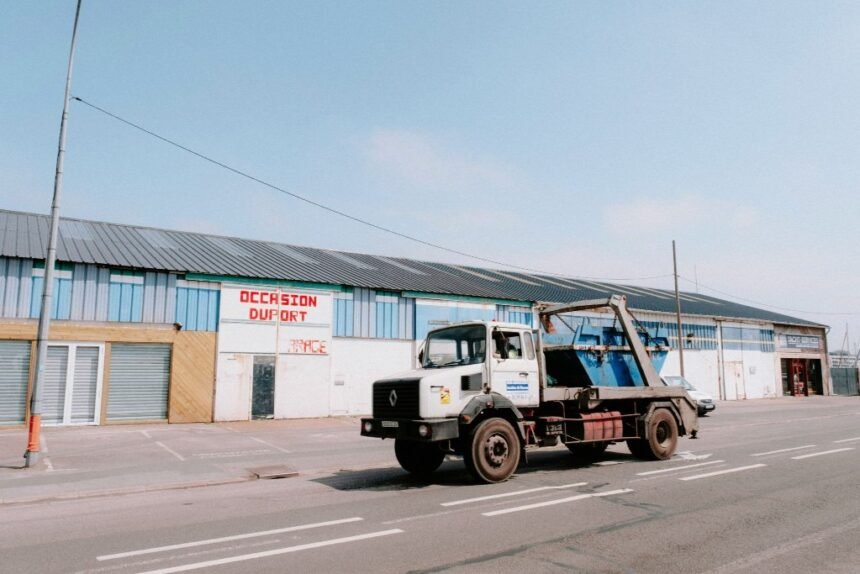
It helps to picture the delivery from the cab. The driver pulls into the street with a heavy truck, a bin on the back and a list of stops for the day. The first thing they look for is the spot. Is the driveway clear? Is there a parked car where the bin is meant to go? Is there a low branch, a power line or a tight gate in the way?
Most problems are visible within seconds. A car left across the drive, a bin placed on a slope or a gate that is narrower than expected can all turn a quick drop into a long conversation. Drivers will often knock on a door to ask for a car to be moved, and if nobody answers, they have to decide whether the bin can safely go somewhere else or whether the delivery has to wait.
That is why a clear spot matters more than a person standing beside it. A driveway with nothing in the way is a driveway the driver can use without help. A tricky one is where someone being present earns its keep.
Notes You Can Leave on the Fence
Homeowners who stay out for the day usually leave a short, clear note, and the best ones read like instructions for a stranger. They give the exact spot, such as the left side of the driveway beside the garage door, and mention anything unusual about access. A phone number goes at the bottom, and a photograph of the spot with a simple arrow helps even more. Tape it to the fence or the letterbox where the driver can see it from the cab.
A little preparation the night before makes the note work. Move the cars, check that nothing overhangs the drive and leave the gate fully open. If neighbours share the driveway or the street is narrow, a quick chat the evening before avoids surprises.
Confirming the details with the provider is just as useful. Companies such as Sydney Waste Aus ask for the delivery and pickup dates when you book online, and they expect clear access on the day, so a phone call to confirm the arrangement for an empty house takes a minute and removes most of the guesswork. If the driver has the number, they can also ring if something looks wrong, which beats leaving the bin in the wrong place.
Three Situations Where Staying Home Is the Better Call
Some deliveries are worth waiting in for, and they tend to follow a pattern.
The first is the shared driveway. Picture a townhouse with two garages and one narrow strip of concrete between them. The bin has to sit somewhere that blocks neither neighbour, and the driver cannot decide that alone. A person on the spot can agree the position in a minute and keep everyone friendly.
The second is the awkward approach. A steep drive, a tight turn from the street or a gate with only a few centimetres to spare calls for a quick conversation about whether the truck can do it. The homeowner knows the house better than anyone, and a short walk with the driver often finds a solution that a note could not.
The third is a bin that has to sit on public land, such as a nature strip, a footpath or the road. Councils generally require a permit for this, and arranging it is the customer’s job. Being home when the bin arrives lets you check that it sits where the permit allows and that pedestrians can still pass. It also gives you a chance to answer a curious neighbour or a passing council officer.
Living With the Bin Once It’s There
Once the bin lands, the next days follow a rhythm of their own. Tell the neighbours it has arrived and when it will leave, because a note in the letterbox or a quick word over the fence saves a week of side glances. Keep children and pets away from the edges, particularly if the bin has a door that swings open.
Rain is worth thinking about. A tarp over the top keeps the contents dry and stops the load from getting heavier, which matters when the bin is weighed. A cover also discourages other people from dropping their own rubbish in, a surprisingly common problem on a busy street. If you notice something that does not belong to you, a quick photo and a note to the provider is easier than arguing about it later.
Fill the bin carefully. Heavy items go in first, flat on the floor, with lighter pieces on top, and everything must stay below the rim, because an overfilled bin is unsafe to transport and cannot be collected. Most providers include a standard hire period of about two weeks, and an extension is usually a phone call away if the job runs long.
When the work is done, book the pickup early and make sure the access is as clear as it was on delivery day. A bin that can be lifted without fuss leaves on time, and the driveway returns to normal.
The whole experience is simpler than it sounds. A clear spot, a short note and one phone call usually deliver the result people hope for, which is a bin that appears when it should and a day that carries on without anyone waiting by the window.