

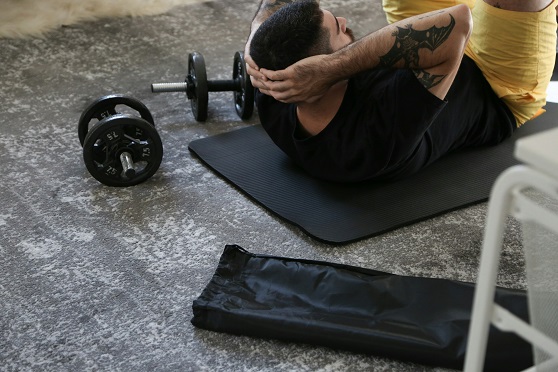
In recent years, home workouts have gained considerable popularity, especially among beginners seeking to incorporate fitness into their daily routines without the constraints of a gym environment. The concept of exercising at home offers a myriad of benefits that cater specifically to those new to fitness. One of the primary advantages is convenience; individuals can engage in workouts at any time that suits them, eliminating travel time and scheduling conflicts with gym hours.
Additionally, working out at home typically proves to be more cost-effective than maintaining a gym membership. Beginners can utilize bodyweight exercises, simple equipment such as dumbbells or resistance bands, and online resources, significantly reducing financial barriers to entry. This accessibility allows newcomers to develop a steady workout routine without the pressure often associated with gym settings.
Another crucial aspect of home workouts is the ability to create a personalized fitness plan tailored to individual preferences and capabilities. Beginners can experiment with diverse exercise styles—ranging from yoga to HIIT (high-intensity interval training)—to identify what resonates most with them. This personalization increases the likelihood of adherence to a routine and fosters a more enjoyable fitness journey.
However, there are common misconceptions that home workouts might not be as effective as sessions conducted in professional fitness centers. Many people believe that without the guidance of trainers, it is challenging to achieve fitness goals. In truth, home workouts can be equally effective when approached with proper knowledge and motivation. With the proliferation of online workout programs and instructional videos, even those new to fitness can access professional methodologies from the comfort of their homes.
Understanding Your Fitness Level
Before embarking on a workout routine, it is crucial for beginners to assess their current fitness level. This self-evaluation serves as a foundational step in tailoring an effective exercise program. Listening to your body is paramount; it provides insights into your endurance, strength, and flexibility. Beginners should perform a simple assessment by engaging in basic exercises—such as push-ups, squats, or a short jog—and noting how their body responds. If fatigue, pain, or discomfort arises, it may indicate the need for a more gradual approach to exercise.
Establishing personal fitness goals can significantly enhance motivation and structure your workout routine. Goals should align with your fitness level while offering a sense of direction. For example, a beginner may set a goal to complete a consistent week of workouts or gradually increase the number of repetitions in specific exercises. Setting specific, measurable, achievable, relevant, and time-bound (SMART) objectives can aid in maintaining focus and commitment.
Furthermore, it is important to set realistic expectations. Progress in fitness varies from person to person, and factors such as age, previous activity level, and health conditions all play a role. Beginners should recognize that improvement takes time and consistency. Balancing aspirations with the realities of one’s current capabilities helps create a positive mindset towards fitness. Understanding both physical and mental readiness is essential; engaging in activities that stimulate motivation without leading to burnout can ensure a sustainable workout journey. This comprehensive approach to assessing fitness levels will pave the way for a successful and enjoyable home workout experience.
Essential Equipment for Home Workouts
Embarking on a fitness journey at home can be both exciting and daunting, especially for beginners. Fortunately, there exists a variety of essential equipment that can significantly enhance the effectiveness of home workouts. This article will explore some of the most beneficial tools, while also considering budget-friendly alternatives.
One of the most versatile pieces of equipment one can invest in is resistance bands. These bands come in various resistance levels, making them suitable for all fitness levels. They are lightweight, portable, and perfect for strength training, accommodating a range of exercises that target different muscle groups. Additionally, resistance bands serve as an excellent alternative for those who might not have access to weights.
Dumbbells are another staple for home workouts. A set of adjustable or fixed-weight dumbbells allows individuals to gradually increase their strength training. They are ideal for exercises such as bicep curls, shoulder presses, and tricep extensions. For beginners, starting with lighter weights and slowly progressing can prevent injuries while promoting muscle growth.
A yoga mat is essential for any home workout regimen, offering a cushioned surface for exercises that require kneeling or lying down. It ensures comfort during bodyweight exercises such as push-ups, planks, and crunches. The mat also aids in stability during yoga or stretching routines.
Moreover, bodyweight exercises provide an excellent foundation for newcomers. Exercises like squats, lunges, and push-ups can be performed without any equipment, utilizing just one’s body weight for resistance. This not only saves money but also helps in mastering fundamental movements essential for more advanced workouts.
For cost-effective options, household items such as water bottles and chairs can serve as effective workout tools. Water bottles can act as light weights, while chairs can be utilized for tricep dips or step-ups. By creatively using everyday items, beginners can effectively create an engaging and varied home workout routine.
Warm-Up and Cool-Down Exercises
Incorporating warm-up and cool-down exercises into a workout routine is essential for beginners aiming to enhance their overall performance and prevent injuries. A proper warm-up prepares the body for physical activity by gradually increasing heart rate and loosening the muscles and joints. This process can make it easier to perform exercises and improve overall outcomes during workouts.
A well-structured warm-up session generally includes light cardiovascular activities and dynamic stretches. For instance, beginners can start with 5-10 minutes of brisk walking or jogging in place, followed by dynamic movements such as leg swings, arm circles, and hip rotations. These activities promote blood flow to the muscles, enhancing flexibility and range of motion, which are vital for effective exercise.
On the other hand, cool-down exercises are equally important to facilitate recovery after an intense workout. Cooling down helps bring the heart rate back to its resting level and can drastically reduce the likelihood of muscle soreness. A cool-down session typically involves static stretching or gentle movements that target the major muscle groups worked during the exercise. Simple stretches for the hamstrings, quadriceps, calves, and shoulders can be incorporated, holding each stretch for 15-30 seconds to enhance muscle recovery.
It is crucial to prioritize these components in a workout plan, particularly for beginners. Warming up and cooling down not only boost performance but also create a safer workout environment. By establishing this routine, beginners can cultivate better habits that contribute to long-term fitness goals. Engaging in consistent warm-up and cool-down routines lays the foundation for a successful exercise journey.
Cardiovascular Workouts at Home
Cardiovascular workouts are integral to any fitness regime, particularly for beginners seeking to improve their overall health. These exercises increase heart rate, improve circulation, and contribute to calorie burning, making them an ideal starting point for home workouts.
One of the simplest yet effective cardiovascular exercises is the jumping jack. This activity encompasses full-body movement and helps in strengthening the heart and lungs. Beginners can start with 15-20 repetitions, gradually increasing as stamina improves. Another excellent option is running in place. This can be performed indoors, requiring no equipment. Start with short intervals of 30 seconds, followed by rest periods, and progressively work towards longer durations as endurance builds.
Dancing is a fun alternative that can double as both a workout and a means of relieving stress. Whether solo or with a partner, put on your favorite tunes and allow yourself to move freely. The rhythm and enjoyment can shift the focus from exercise to entertainment, aiding motivation. To incorporate a more structured routine, consider committing to dance workouts available through online platforms.
Utilizing stairs is another practical method to enhance cardiovascular fitness. Climbing up and down the stairs can elevate the heart rate effectively. For beginners, starting with five minutes and gradually increasing the duration can ensure a manageable progression.
Maintaining motivation can be a challenge when starting a new workout routine. Setting achievable goals, tracking daily progress, and jotting down notes on how each session feels can provide positive reinforcement. Joining online fitness communities or working out with a friend can also enhance accountability and encouragement. Remember, the key to success in cardiovascular workouts lies in consistency and adaptability, ensuring the exercises remain enjoyable and varied.
Strength Training Routines for Beginners
Strength training is an essential component of overall fitness, particularly for beginners looking to improve strength, balance, and endurance. Performing strength exercises at home offers convenience and flexibility while allowing individuals to tailor workouts to their specific needs and goals. This section provides a comprehensive guide on effective strength training routines for beginners that can be executed without the need for a gym.
Bodyweight exercises are an excellent starting point for novices. They utilize one’s own body weight as resistance, which helps to develop fundamental strength and proper movement patterns. Key exercises include squats, push-ups, and lunges. Squats are particularly effective for strengthening the lower body and can be performed with feet shoulder-width apart. Beginners should focus on maintaining proper form by keeping their back straight and pushing through their heels.
Similarly, push-ups target the upper body and core. It is recommended for beginners to start with knee or incline push-ups to build strength progressively before advancing to full push-ups. Lunges enhance leg strength and balance effectively; alternate between legs while ensuring that the front knee does not extend past the toes. Practicing these exercises consistently will create a solid foundation for strength training.
For those who have access to weights, incorporating dumbbells or resistance bands can add variety and increase the challenge. Exercises like weighted squats, dumbbell rows, and overhead presses can enhance muscle engagement. However, it is crucial to prioritize form and control over quantity. Beginners should aim for two to three sessions per week, allowing ample rest between workouts to facilitate recovery and muscle growth. Gradually increasing intensity by adjusting repetitions, sets, or resistance will help in building a progressive strength training routine.
Flexibility and Balance Training
Flexibility and balance are crucial components of a well-rounded fitness routine, especially for beginners working out at home. Incorporating flexibility training into your regimen helps improve range of motion, enhances overall performance, and reduces the risk of injury. Simple stretching exercises can be seamlessly integrated into your daily routine. For instance, a basic routine might include neck stretches, shoulder rolls, torso twists, and hamstring stretches. Each of these movements contributes to muscle elasticity, supports joint health, and facilitates better posture.
Furthermore, balance exercises are equally important for beginners. They not only enhance stability and coordination but also play a vital role in everyday activities. Simple practices, such as single-leg stands, can be performed safely at home. To perform this exercise, stand on one leg while raising the opposite knee to hip level, then hold the position for ten seconds. Repeat this with the other leg, gradually increasing the time as balance improves. Such exercises can significantly improve core strength and prevent falls, especially important in maintaining an active lifestyle as we age.
Additionally, incorporating yoga poses like the Tree Pose or Warrior III can enhance both flexibility and balance. These poses not only stretch various muscle groups but also promote mindfulness and relaxation, contributing to overall well-being. Regular practice of these yoga postures helps develop mental focus and improves body awareness, which are essential attributes in achieving fitness goals.
Overall, prioritizing flexibility and balance training can dramatically improve one’s quality of life, making daily movements easier and more enjoyable. As beginners embark on their home workout journey, dedicating time to these exercises is a wise decision, setting a strong foundation for long-term fitness success.
Creating a Balanced Weekly Workout Schedule
Establishing a balanced workout schedule is essential for beginners who wish to achieve fitness goals effectively while minimizing the risk of injury. A well-rounded weekly plan should incorporate four key components: cardiovascular exercises, strength training, flexibility work, and appropriate rest days. Each element contributes to overall health, helping to build endurance, strength, and flexibility while allowing the body ample time to recover.
Cardiovascular workouts, such as brisk walking, jogging, or cycling, should be included at least three times per week. These exercises improve heart health and boost endurance. For beginners, starting with 20-30 minutes of moderate-intensity activity is recommended, gradually increasing duration as fitness levels improve. Strength training, on the other hand, focuses on muscle conditioning and should be conducted two to three times weekly. This can be achieved using bodyweight exercises such as push-ups, squats, and lunges, or through the use of resistance bands or light dumbbells.
Incorporating flexibility training, like yoga or stretching routines, is vital for enhancing muscle elasticity and preventing injuries. A minimum of two sessions a week, lasting 15-30 minutes, can reap significant benefits. Lastly, rest days are crucial; they allow the body to heal and adapt, reducing the likelihood of overtraining and burnout. Aim for one to two rest days each week based on your activity level and personal needs.
When creating a balanced weekly workout schedule, consistency is key. Beginners should design a routine that realistically fits their lifestyles. For instance, one sample plan might include cardio on Monday, strength training on Tuesday, and flexibility exercises on Wednesday, repeating this cycle with adjustments based on personal progress. It is crucial to listen to your body, modifying the schedule to ensure enjoyment and sustainability in the pursuit of fitness.
Staying Motivated and Overcoming Common Challenges
Beginning a fitness journey at home presents unique challenges, especially for newcomers. A common hurdle is maintaining motivation. To counteract this, it is helpful to establish clear, achievable goals. Setting specific milestones allows beginners to celebrate increments of progress, fueling further commitment. Additionally, incorporating variety into workout routines can alleviate monotony. Engaging in diverse activities such as body-weight exercises, yoga, or online classes keeps the experience fresh and exciting.
Another prevalent issue is the struggle with time management. Beginners often juggle multiple responsibilities, making it difficult to carve out time for regular workouts. To address this, one effective strategy is to schedule workouts in the same way one would for any important appointment. This practice reinforces the importance of physical fitness and encourages prioritization. Importantly, even short workouts of 10-15 minutes can be effective, making it easier to fit into a busy day.
Diminishing motivation can arise as the initial excitement wanes. To combat this, tracking progress is essential. Utilizing fitness apps or journals helps individuals to visually assess their advancements, serving as a motivational tool. Furthermore, finding a workout buddy or community can enhance the experience, providing support and accountability. Sharing progress with others also fosters a sense of belonging and encourages ongoing commitment.
Lastly, it is critical for beginners to listen to their bodies and adjust routines based on personal preferences and fitness levels. Seeking feedback and modifying workouts ensures that the routines remain effective while catering to individual needs. By embracing a flexible approach to workout routines, beginners can sustain their motivation and develop a long-term commitment to their fitness journey.