

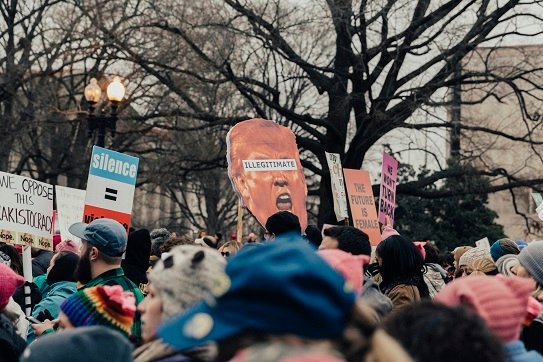
The emergence of the great national debate we currently observe can be traced back to several significant historical influences that have shaped public opinion over time. At its core, the debate is rooted in a complex interplay of social, political, and economic factors that gained prominence in various epochs of the nation’s history.
One of the critical social influences was the civil rights movement of the 1960s, which not only highlighted issues of racial injustice but also prompted broader discussions about equality and governance. This movement laid the groundwork for contemporary discourses around social justice, equity, and the role of government, making citizens more aware of and engaged in these debates.
Following the civil rights movement, the late 20th century brought about significant economic changes, particularly with globalization and technological advancement leading to labor market shifts. The transformation of the economy has directly impacted public sentiment, as many citizens have experienced economic insecurity. This insecurity has fueled discussions regarding economic policies, wealth distribution, and job creation, thus adding layers to the ongoing national debate.
Politically, the rise of partisan divides has further intensified these discussions. The polarization evident in recent elections illustrates how divergent ideologies are shaping issues such as healthcare, immigration, and climate change. Legislative initiatives reflect these varying perspectives, which often result in intense public discourse and debates surrounding policy implications.
Overall, the historical context surrounding these debates is crucial for understanding the modern landscape of national discussions. From social movements to economic transformations and political polarization, each factor contributes to the complex fabric of opinions and beliefs that characterize current public discourse.
The Perspectives: What Are the Main Arguments?
In the context of the great national debate, numerous viewpoints emerge, each underpinning the complexities of the issues at hand. Activists often champion social justice, advocating for reforms that address systemic inequities. Their arguments emphasize the necessity for change to rectify historical injustices and promote equality across various societal dimensions. Many assert that the policies currently in place fail to adequately represent marginalized voices, leading to demands for robust legislative reform.
Conversely, some politicians and public figures present counterarguments emphasizing the importance of preserving traditional structures and values. They argue that radical changes may have unintended consequences that could destabilize crucial societal frameworks. This standpoint often includes a call for caution, promoting incremental change over sweeping reforms, with a focus on maintaining order and continuity.
Academics also play a vital role in shaping these discussions, contributing nuanced analysis rooted in research and data. Scholars might explore historical patterns and the evolution of societal norms, providing context that is essential for understanding current disputes. Their findings often highlight the multifaceted nature of public opinion, showcasing how perceptions vary significantly between demographics and geographic regions.
Public sentiment, derived from polls and surveys, reflects a spectrum of beliefs, indicating that perspectives are not monolithic. Many individuals express concerns regarding the potential for polarization, fearing that extreme positions might drown out moderate voices. These diverse opinions showcase the implications of the debate, revealing how they influence policy-making and public discourse.
Overall, the main arguments within this national debate encapsulate a wide array of perspectives, fundamentally demonstrating the importance of dialogue in reaching a consensus that addresses the collective concerns of the population.
Impact on Society and Culture
The ongoing debate has significantly influenced societal norms and cultural values, actively shaping how communities interact and discuss pressing issues. Public discourse surrounding the debate is increasingly polarized, leading to divisions that manifest in everyday life. As individuals engage in conversations, they often find themselves in echo chambers that reinforce their pre-existing beliefs, thereby diminishing opportunities for constructive dialogue. This phenomenon not only impacts personal relationships but also affects how communities respond to critical societal challenges.
Media representation plays a pivotal role in framing the debate, as diverse narratives emerge across various platforms. Traditional media, social media, and online forums provide arenas where individuals express their views and support for particular ideologies. Consequently, the portrayal of opposing perspectives can contribute to a further entrenchment of biases, making it imperative for media outlets to adopt responsible reporting practices. The portrayal of key issues may sway public sentiment, hence affecting policy-making processes and legislative discussions.
Moreover, the debate has given rise to various social movements, each advocating for distinct agendas and values. Activism is often sparked by heightened awareness of specific issues, resulting in calls for legislative change aimed at addressing perceived injustices. The influence of these movements is observable not only at grassroots levels but also among policymakers who recognize the need to respond to shifting public opinion. As the debate continues to evolve, it is essential for society to seek common ground while also critically examining the values underlying these movements.
In conclusion, the national debate is reshaping societal norms and cultural values in complex ways. Its influence on public discourse, media representation, and social movements signifies an ongoing transformation within communities, emphasizing the need for open dialogue while navigating the challenges presented by differing viewpoints.
Future Implications and Possible Resolutions
The ongoing national debate showcases the profound divisions within society, raising pertinent questions about the future landscape of our political and social fabric. As the debate continues to unfold, several potential outcomes emerge that could either escalate existing tensions or pave the way for reconciliation and understanding. Key issues such as social justice, economic disparity, and environmental concerns are at the forefront, and their resolution will undoubtedly influence national dynamics.
Experts from various fields offer insights into how these divisions may evolve. Some predict that if dialogue and active engagement are fostered, there could be a shift toward mutual understanding and compromise. This could involve bipartisan efforts aimed at addressing some of the core issues driving the debate. For example, policy reforms focusing on equitable economic growth and improved access to education may emerge as collaborative initiatives, thereby reducing polarization.
Conversely, the possibility of heightened tensions cannot be overlooked. In instances where parties remain entrenched in their positions, the risk of social unrest increases. This could manifest through protests or more divisive rhetoric from political leaders, potentially destabilizing current governance structures. Additionally, the role of social media is increasingly significant, as it can either facilitate constructive discourse or exacerbate polarization by spreading misinformation.
Ultimately, the future implications of this debate hinge on the willingness of stakeholders to engage in constructive dialogue. The outcomes, whether they lead to conflict or resolution, will shape national policies and public sentiment for years to come. As society grapples with these divisive issues, the potential for transformative change remains contingent upon a collective commitment to understanding differing perspectives and striving for common ground.