

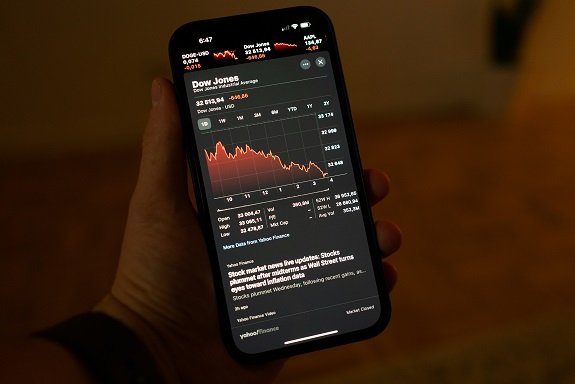
The economic landscape has been shaped by a series of significant events that have influenced market sentiment and prompted responses from key financial actors. One of the most notable occurrences has been the adjustment of monetary policy by several central banks around the globe. In response to rising inflationary pressures, the Federal Reserve has initiated interest rate hikes, a decision that reverberated through global markets. This policy shift aims to curb inflation yet raises concerns about slowing economic growth. In addition to domestic monetary policy changes, international factors have also played a pivotal role. Noteworthy among these was the geopolitical tension arising from various global incidents, including conflict zones, trade disputes, and sanctions imposed on specific countries. Such events have led to fluctuations in commodity prices, particularly in oil and gas sectors, further complicating the economic recovery journey. Furthermore, significant financial news has emerged, highlighting corporate earnings reports that have exceeded expectations in some sectors, while others have faced challenges. Technology firms have generally reported robust growth figures, contributing to a positive outlook for the sector, despite supply chain disruptions. Government agencies have reacted to these mixed signals, implementing stimulus measures to support businesses and households affected by inflation and ongoing uncertainties. This complex interplay of central bank policies, international developments, and corporate performance illustrates the dynamic nature of economic events that shape market behaviors. Collectively, these factors significantly impact investor confidence and consumer spending, setting the tone for future economic trends as stakeholders navigate through an increasingly volatile environment.
Market Reactions: Stock and Bond Performance
The recent economic news has yielded significant fluctuations in both stock and bond markets, highlighting the sensitivity of these financial instruments to unfolding events. Investors have shown varying levels of sentiment, as reflected in the performance trends observed in recent weeks.
Stock markets have demonstrated a notable volatility, with major indices experiencing both surges and declines. For instance, the S&P 500 index initially responded positively following announcements related to fiscal policies, which were seen as favorable for economic growth. However, subsequent reports indicating rising inflation sparked concerns, leading to market corrections. This back-and-forth movement suggests that investors are weighing optimism about corporate earnings against the potential for increased interest rates, which would affect borrowing costs and ultimately profitability.
On the other hand, the bond market has also reacted distinctly to these developments. U.S. Treasury yields showed an upward trajectory as investors began to anticipate tighter monetary policy in the face of inflationary pressures. This increase in yields typically indicates a decrease in bond prices, as the fixed returns become less attractive with rising interest rates. The demand for government bonds remains robust, yet market participants are closely monitoring economic indicators to gauge the path forward. Accordingly, the divergence in performance across various sectors reflects a complex interplay of economic indicators, investor confidence, and global events.
In summary, the reactions of stock and bond markets to the latest economic developments illustrate a period marked by pronounced uncertainty. As investors navigate these volatile conditions, the dynamics of market performances will continue to evolve in response to new data and economic forecasts.
Sector-Specific Impacts
The recent economic events have created a varied impact across different sectors, leading to a segmented response within the market. Notably, the technology sector has exhibited resilience, continuing its upward trajectory as consumers increasingly rely on digital solutions. Companies within cloud computing, cybersecurity, and e-commerce have seen substantial growth, positioning themselves favorably amidst shifting consumer behaviors driven by remote work and online shopping trends.
Conversely, the travel and hospitality industries have faced significant challenges due to ongoing uncertainties in global travel policies and public health concerns. The slow recovery from the pandemic has strained these sectors, causing fluctuations in revenues and operational capabilities. Analysts predict a gradual rebound, but stress that recovery will depend heavily on both vaccination efforts and consumer confidence in safety measures.
The energy sector presents a mixed picture. While renewable energy sources, such as solar and wind power, are gaining momentum supported by government incentives and growing environmental awareness, traditional fossil fuel industries are grappling with fluctuating prices and regulatory pressures. Experts suggest that the transition towards sustainability may continue to disrupt conventional energy markets, leading to volatility in stocks related to oil and gas exploration.
Within the healthcare sector, companies involved in pharmaceuticals and biotechnology have experienced a surge in demand for innovative treatments and vaccines, demonstrating strong performance in the wake of increased healthcare spending. However, businesses linked to elective procedures or non-essential services are still navigating the aftermath of operational disruptions that occurred during the pandemic.
Overall, the distinct responses observed across various sectors reflect underlying vulnerabilities and strengths, indicating that while some industries adapt and thrive, others will need to strategize effectively to overcome the challenges posed by recent events.
Future Outlook and Predictions
The current economic landscape presents a mixture of challenges and prospects that could significantly influence the future of financial markets. As we analyze recent events, including geopolitical tensions, inflationary pressures, and monetary policy adjustments, several trends emerge that may shape the trajectories of various asset classes.
One of the primary considerations for investors is the potential for changing interest rates. Central banks globally are grappling with the decision to either tighten or maintain monetary policies in response to inflation fluctuations. If inflation persists, it is anticipated that central banks may opt for rate hikes, which could dampen market enthusiasm and lead to volatility across equity and bond markets.
Moreover, the performance of commodities is expected to play a crucial role in the market outlook. Energy prices, in particular, have been subject to shifts due to supply chain disruptions and production adjustments. Investors should monitor these changes closely, as they can affect overall inflation and economic growth forecasts.
Within the realm of equities, sectors such as technology and healthcare continue to draw attention from analysts. The adoption of digital solutions and innovations in healthcare technologies are expected to create opportunities for growth. However, caution is advised, as market corrections remain possible given the volatility observed in recent trading sessions.
Furthermore, upcoming economic indicators, such as employment data and consumer confidence reports, will be critical in shaping sentiment and expectations. A strong employment report may bolster market confidence, while weaker-than-expected results could trigger a reassessment of growth prospects.
Ultimately, while uncertainty remains a predominant theme in the markets, expert opinions suggest a cautious approach. Investors are encouraged to stay informed on global developments and adjust their strategies accordingly, as these factors will increasingly influence market dynamics in the long term.