

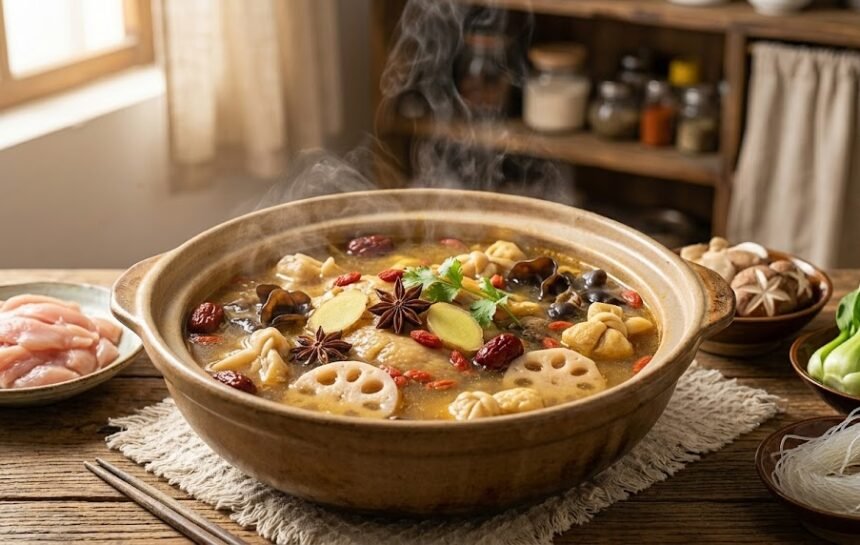
In a world buzzing with convenience, fast food has become the go-to choice for many. With their bright neon signs and tantalizing aromas, these eateries promise quick meals that fit into our busy lives. But have you ever stopped to think about what you’re really consuming? While the allure of burgers and fries is undeniable, there’s something truly special about homemade food. It offers not just nourishment but also an experience filled with love and creativity. Let’s explore why whipping up your own meals at home might be the best decision you make for both your health and taste buds.
The Rise of Fast Food
The fast food industry has skyrocketed since its inception in the mid-20th century. With life moving at a rapid pace, people sought quick and affordable meal options. Fast food restaurants emerged as the perfect solution. These eateries capitalized on convenience. Drive-thrus became a staple, allowing customers to grab meals without leaving their cars. The marketing behind fast food also played a crucial role, using colorful ads and catchy jingles to entice families. As technology advanced, so did the reach of these brands. Delivery apps made it easier than ever to satisfy cravings with just a few taps on your phone. This instant access turned fast food into a lifestyle choice for many. However, this shift towards speed over quality raises questions about what we’re sacrificing for convenience. Many are beginning to rethink their eating habits in favor of something more nourishing and fulfilling—like homemade food.
The Negative Impact of Fast Food on Health
Fast food may be convenient, but its health impacts are alarming. Many fast-food items are loaded with unhealthy fats, sugars, and sodium. This combination can lead to serious conditions like obesity and diabetes. The quick service often masks the reality of what you’re consuming. Processed ingredients contribute to inflammation in the body, affecting overall wellness. Moreover, frequent consumption of fast food is linked to heart disease. The high cholesterol levels from these meals increase your risk significantly over time. Mental health is also affected by this diet choice. Studies suggest a connection between fast food and depression due to nutrient deficiencies that arise from not eating whole foods. When convenience trumps nutritional value, your long-term health takes a hit. Fast food might satisfy immediate cravings but leaves much to be desired for lasting vitality.
Benefits of Homemade Food
Homemade food offers a plethora of benefits that often go unnoticed. First and foremost, it allows you to control the ingredients. You can choose fresh produce, high-quality proteins, and avoid preservatives. Another significant advantage is the nutritional value. Preparing meals at home means you can create balanced dishes tailored to your dietary needs. This often translates into better overall health. Moreover, homemade meals are typically more satisfying than their fast-food counterparts. The act of cooking can be therapeutic, providing a sense of accomplishment and reducing stress levels. In addition to health benefits, homemade food fosters creativity in the kitchen. Experimenting with different recipes lets you explore new flavors and cuisines while honing your culinary skills. Sharing a meal made from scratch creates bonds among family or friends. The experience is about more than just eating; it’s about connection and creating lasting memories around the table.
Cost Comparison: Homemade vs Fast Food
When considering the cost of meals, homemade food often shines brighter than fast food. A quick trip to a drive-thru can seem convenient and cheap. However, those prices add up quickly. Buying ingredients in bulk for homemade meals stretches your dollar further. Staples like rice, beans, and seasonal vegetables are not only affordable but also versatile. You get more meals out of these purchases than just one or two from a fast-food menu. Moreover, fast food tends to offer limited portions at inflated prices. One meal might satisfy temporarily but leaves you hungry soon after. Homemade dishes can be tailored to your appetite and nutritional needs without breaking the bank. Investing time into cooking at home pays off in both health benefits and savings over time. Your wallet will thank you while nourishing yourself with quality ingredients becomes second nature.
How to Make Healthy and Delicious Homemade Meals
Making healthy and delicious homemade meals doesn’t require culinary expertise. Start with fresh ingredients. Visit local markets for seasonal produce. Fresh vegetables and fruits not only taste better but also pack more nutrients. Plan your meals ahead of time to save effort during busy weekdays. Choose simple recipes that highlight the natural flavors of your ingredients. One-pot dishes like stir-fries or casseroles can be both nutritious and easy to prepare. Experiment with herbs and spices to elevate bland dishes without adding extra calories. A sprinkle of fresh basil, a dash of cumin, or a touch of garlic can transform a meal from ordinary to extraordinary. Don’t shy away from batch cooking either. Prepare larger portions on weekends so you have quick access to healthy options throughout the week. With these strategies, homemade food becomes an enjoyable routine rather than a chore.
Tips for Incorporating More Homemade Meals into Your Routine
Start by planning your week. Dedicate some time to map out meals that excite you. This makes grocery shopping easier and cuts down on last-minute fast food runs. Batch cooking is a game changer. Prepare large portions of your favorite dishes, then store leftovers for quick meals later in the week. Soups, stews, and casseroles freeze well and can be reheated easily. Get the whole family involved. Cooking together can turn meal prep into a fun activity rather than a chore. Let everyone choose their favorite homemade dish to contribute. Keep it simple with easy recipes that require minimal ingredients but pack flavor. Look for one-pot meals or sheet pan recipes to streamline cleanup too. Set reminders or create a dedicated cooking night each week to establish consistency in your routine. The more you prioritize homemade food, the easier it becomes!
Conclusion
The choice between homemade food and fast food is more than just a matter of taste. It’s about health, well-being, and lifestyle. Homemade meals allow you to control ingredients and portion sizes, leading to better nutrition overall. The rise of fast food may offer convenience, but that often comes with hidden costs—both financially and in terms of health. By preparing your own meals at home, not only do you embrace creativity in the kitchen, but you also foster healthier eating habits for yourself and your family. Plus, it can be more economical than frequently opting for takeout or drive-thru options. Making healthy homemade meals doesn’t have to be complicated or time-consuming. With some planning and simple recipes at hand, anyone can create delicious dishes that make mealtime enjoyable again. Incorporating more homemade meals into your routine might require a shift in mindset but can lead to rewarding outcomes both physically and mentally. So why settle for quick fixes when the satisfaction from cooking at home awaits? Embrace the joys of homemade food; it’s an investment in your health today for a better tomorrow.