

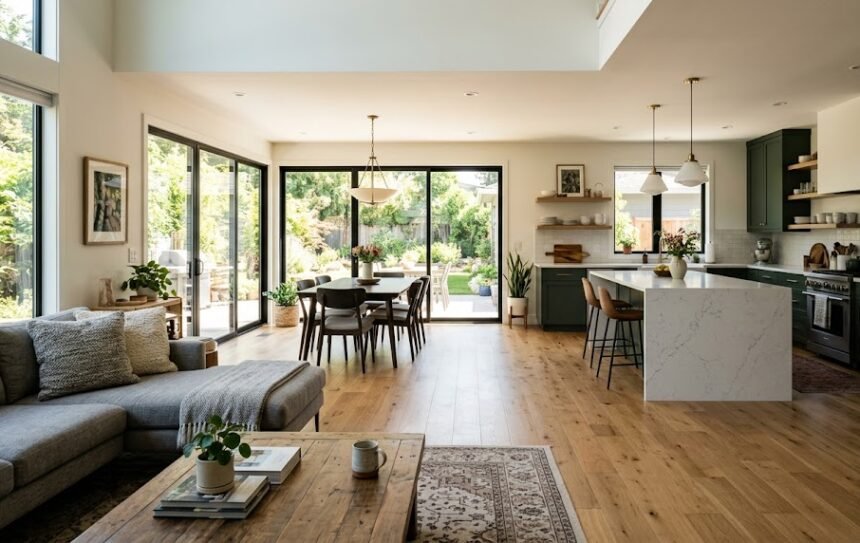
In recent years, open floor plans have taken the home design world by storm. These layouts invite a sense of freedom and connectivity that traditional designs often lack. Imagine walking into a spacious living area where the kitchen, dining room, and lounge flow seamlessly together. It’s not just about aesthetics; it’s about creating an environment that fosters interaction and relaxation. But what exactly makes open floor plans so appealing? As lifestyles evolve and the way we live in our homes shifts, these layouts have emerged as a popular choice for modern families. Let’s explore how this architectural trend came to be and why it continues to be favored among homeowners today.
The history and evolution of open floor plans
The concept of open floor plans dates back to the early 20th century. It gained traction during the Arts and Crafts movement, which emphasized functionality and simplicity in home design. In the post-World War II era, housing boomed. Builders sought efficient ways to create spacious homes that catered to growing families. Open layouts offered a solution by removing unnecessary walls, allowing for fluid interaction between living spaces. By the late 20th century, open floor plans became synonymous with modern living. The rise of minimalist aesthetics reinforced this trend as homeowners desired larger communal areas over compartmentalized rooms. Today’s designs incorporate various elements like kitchen islands that blend seamlessly into dining areas. This evolution reflects changing lifestyles where families value connection and togetherness over traditional separations in space.
Benefits of open floor plans
Open floor plans create a sense of spaciousness. With fewer walls, light flows freely throughout the space. This brightens up rooms and makes them feel more inviting. They also encourage social interaction. Families can gather without barriers. Whether cooking in the kitchen or lounging in the living room, everyone stays connected. Flexibility is another significant advantage. Homeowners can rearrange furniture to suit their needs easily. This adaptability allows for creative layouts that reflect personal style. Additionally, open floor plans enhance entertaining opportunities. Hosts can mingle with guests while preparing food or serving drinks—a seamless experience for gatherings. They often increase home value. Many buyers appreciate modern aesthetics and functionality, making your property more appealing on the market.
How to design and decorate an open floor plan space
Designing an open floor plan requires a keen eye for flow. Start by identifying focal points within the space, like a striking piece of art or a stylish dining set. This will help guide your layout. Use rugs to define areas, such as the living room and dining area. They add warmth while creating visual boundaries without closing off spaces. Choose furniture pieces that are versatile and scale-appropriate. Lightweight items can be easily rearranged to fit different occasions or moods. Incorporate color schemes that complement each other throughout the space. A cohesive palette ties everything together beautifully. Don’t forget about lighting. Layered lighting options bring depth and invite creativity into your design, making each zone functional yet inviting.
Addressing common concerns about open floor plans (privacy, noise, etc.)
Open floor plans are often celebrated for their spacious feel, but they also come with concerns about privacy and noise. With fewer walls separating rooms, sounds can travel easily. This might be an issue during family gatherings or when trying to concentrate. To address privacy concerns, consider strategic furniture placement. Using bookshelves or decorative screens can create subtle barriers without sacrificing openness. Acoustic panels can also help manage sound levels in larger areas. Adding rugs and heavy curtains absorbs noise and softens the overall ambiance. Another option is zoning your space through color or flooring changes. Different materials can visually define areas while maintaining that open vibe. It’s all about balance—embracing the benefits of open layouts while finding clever solutions to potential downsides makes a world of difference in daily living experiences.
Alternative options to traditional open floor plans
If open floor plans aren’t your style, there are plenty of alternatives to consider. One popular option is the semi-open layout. This design maintains some walls while still allowing for visual connectivity between rooms. Another choice could be defined spaces with purposeful transitions. By using furniture or decorative screens, you can create distinct areas that feel separate yet cohesive. This approach offers flexibility and a sense of intimacy without completely closing off space. For those who love natural light but prefer more boundaries, glass partitions might be ideal. These maintain openness while providing privacy where needed. Traditional layouts with clearly defined rooms can also work wonders. They offer a classic charm and allow for individual atmospheres within each space, making them perfect for families wanting dedicated zones for activities like study or relaxation.
Conclusion:
Open floor plans have undoubtedly carved a niche in modern home design, appealing to homeowners for their spaciousness and flexibility. The evolution of these layouts reflects changing lifestyles and preferences, prioritizing connectivity over compartmentalization. The benefits are clear: open spaces encourage social interaction, enhance natural light flow, and create versatile environments that adapt to various needs. However, designing an inviting open floor plan requires thoughtful decoration that balances aesthetics with functionality. While some may raise concerns about privacy or noise levels in such layouts, there are strategies to mitigate these issues without sacrificing the allure of openness. Additionally, alternative options exist for those who prefer a more segmented approach while still embracing elements of contemporary design. As you consider your own living space—whether adopting an open floor plan or exploring other designs—the key is finding what resonates with your lifestyle and brings joy into your home. After all, the heart of every house lies in how well it serves its inhabitants.