

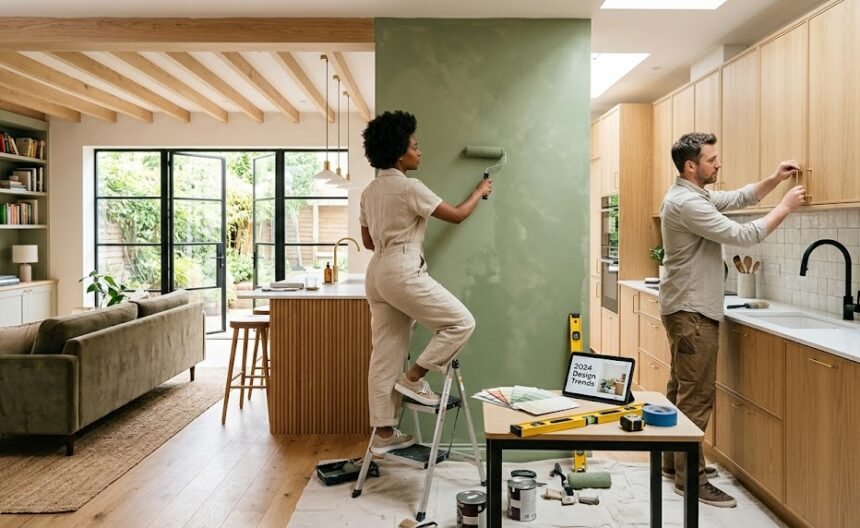
Home renovation trends are like the seasons ever changing and influenced by a variety of factors. What was once in vogue can quickly fade into obscurity, making way for fresh ideas that capture the imagination. As homeowners seek to breathe new life into their spaces, they look toward innovative designs and functional upgrades that reflect contemporary values and lifestyles. But what drives these shifts in home renovation trends? Is it simply a matter of aesthetics, or do deeper societal currents play a significant role? From cultural influences to economic circumstances, each element shapes how we perceive our living environments. Join us as we explore the fascinating dynamics behind home renovation trends throughout time. Let’s delve into why your dream kitchen from five years ago may now feel outdated—and discover what’s next on the horizon!
The Influence of Culture and Society
Cultural shifts play a significant role in shaping home renovation trends. As societies evolve, so do their values and lifestyles. For instance, the rise of minimalism reflects a broader societal quest for simplicity and functionality. Traditions also influence design choices. In some cultures, certain colors or symbols may hold deep significance, impacting how spaces are decorated. This can lead to unique interpretations of styles that blend heritage with modern aesthetics. Social media has further amplified these influences. Platforms like Instagram and Pinterest showcase diverse designs from around the globe, allowing homeowners to draw inspiration from various cultures without ever leaving their homes. As new generations come into power, they bring different priorities along with them. These changes often resonate through renovations as younger homeowners seek out spaces that reflect contemporary ideals rather than past conventions.
Economic Factors and Their Impact
Economic factors play a pivotal role in shaping home renovation trends. When the economy is booming, homeowners often feel more confident investing in their properties. This leads to increased spending on upgrades and modernizations. Conversely, during economic downturns, budgets tighten. Homeowners may prioritize essential repairs over luxury renovations. This shift can alter what’s trending; for instance, DIY projects might surge as people seek cost-effective solutions. Interest rates also influence decisions. Lower rates encourage borrowing for larger renovations while higher rates may stall plans altogether. Additionally, fluctuating material costs can dictate design choices. If wood or steel prices soar, alternatives like recycled materials become more appealing and popular. As the economic landscape changes, so too do preferences in home improvement projects—reflecting current financial realities and homeowner sentiments.
Technology Advancements and Innovations
Technology has revolutionized home renovation trends in remarkable ways. Smart home devices are now commonplace, offering homeowners unprecedented control and convenience. From automated lighting to intelligent thermostats, these innovations enhance comfort while promoting energy efficiency. Virtual reality (VR) and augmented reality (AR) tools allow homeowners to visualize changes before making any decisions. Suddenly, the design process is more interactive and immersive than ever before. 3D printing is another game changer. Custom fixtures or furniture can be created on-demand, reducing lead times significantly. This not only caters to personal tastes but also accommodates unique spaces that standard items can’t fill. Moreover, advanced building materials are emerging, promising durability and sustainability. Innovations like self-healing concrete or eco-friendly insulation reshape our understanding of what a modern home can be. As technology continues to evolve, it will undoubtedly influence future home renovation trends in thrilling new directions.
Sustainability and Environmental Concerns
The push for sustainability in home renovation trends reflects a growing awareness of environmental impact. Homeowners are increasingly prioritizing eco-friendly materials and energy-efficient designs. From reclaimed wood to low-VOC paints, choices now lean towards options that reduce carbon footprints. Green roofs and solar panels are becoming staples in modern renovations, not just for their aesthetic appeal but also for their long-term benefits. Water conservation features like rainwater harvesting systems also gain traction. People recognize the importance of preserving resources while enhancing their living spaces. This shift isn’t merely about individual homes; it’s part of a larger movement toward responsible building practices. Communities embrace these changes as they seek to foster healthier environments. As society evolves, so too do expectations surrounding sustainable design. Homeowners feel empowered to make decisions that reflect both personal values and global responsibility. This trend is likely here to stay, shaping future renovations across various landscapes.
Aesthetics and Personal Preferences
Aesthetics play a pivotal role in home renovation trends. Personal preferences shape how spaces are designed and decorated. Each homeowner brings their unique vision to life. Color palettes, textures, and layouts reflect individuality. What was once trendy may no longer resonate with the evolving tastes of homeowners today. As people travel and experience different cultures, these influences seep into their design choices. Minimalism is gaining traction as many seek simplicity over excess. Others might lean towards bold colors and intricate patterns that make a statement. Social media platforms amplify these varying aesthetics, showcasing everything from rustic charm to sleek modernity. Influencers often set the tone for what’s hot or not in home decor. Trends shift along with personal experiences and values; each renovation becomes an expression of identity rather than just a necessity.
Conclusion:
Home renovation trends are a reflection of our evolving world. They adapt to cultural shifts, economic changes, and technological advancements. As we become more aware of sustainability and environmental impacts, these factors shape the way we approach home design. Personal tastes also play an essential role in driving trends. What was once popular might seem outdated today as new aesthetics emerge. Each era brings its unique flair that speaks to the collective mood of society. The journey of home renovation is ongoing, constantly influenced by various elements that define who we are as individuals and as a community. Embracing change not only enriches our living spaces but also enhances our lives in profound ways. Understanding these dynamics allows us to appreciate the beauty found within each trend’s rise and fall. Staying informed about home renovation trends can help you make smarter decisions for your space, ensuring it remains both functional and stylish over time.