

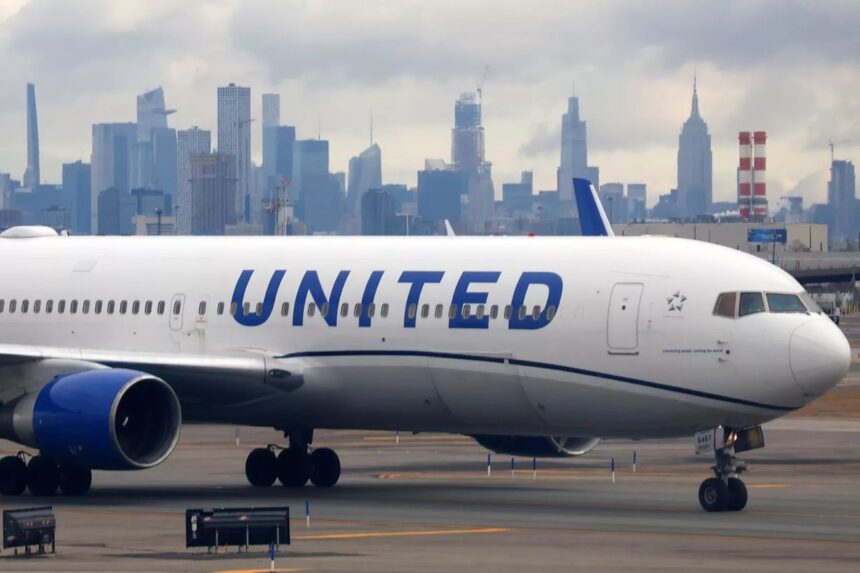
On a seemingly routine flight, passengers aboard United Airlines Flight UA770 experienced an unexpected twist in their journey. What should have been a standard trip quickly turned into a scene worthy of its own movie script as the aircraft made an emergency diversion. With hearts racing and uncertainty in the air, both crew and passengers faced a situation that no one could have anticipated. As we delve into this incident, we uncover what transpired during those pivotal moments high above the clouds and how everyone involved reacted to this unforeseen challenge.
What happened during the flight?
United Airlines Flight UA770 took off with the usual anticipation from passengers. It was a routine flight, cruising smoothly at an altitude of 35,000 feet. Suddenly, things changed.
The crew received a concerning alert indicating potential mechanical issues. This wasn’t something they could ignore. The pilot quickly assessed the situation and made the call for an emergency diversion.
As the aircraft altered its course, the cabin filled with tension mixed with uncertainty. Flight attendants moved swiftly to ensure everyone remained calm. Passengers exchanged nervous glances, wondering what might unfold next.
Communication from the cockpit assured travelers that safety was paramount and protocols were being followed diligently. With every passing minute, they approached their unexpected destination—an airport ready to assist in any way necessary.
Passenger and Crew Reactions
As news of the emergency diversion spread through the cabin, passengers reacted with a mix of confusion and concern. Some clutched their armrests tightly, while others exchanged nervous glances. Conversations fluctuated between anxiety and disbelief.
The crew remained calm and professional throughout the ordeal. Flight attendants moved swiftly to reassure passengers, offering updates as information became available. Their training kicked in, providing a sense of stability amidst uncertainty.
Many travelers shared their thoughts on social media during the flight’s unexpected turn. Posts ranged from anxiety-laden messages to expressions of gratitude for the crew’s efforts in keeping everyone safe.
Throughout this tense situation, camaraderie began to form among strangers. Passengers supported one another, sharing stories and laughter as they navigated an experience that none had anticipated or prepared for.
Response from United Airlines
Following the emergency diversion of UA770, United Airlines swiftly addressed the situation. The airline issued a statement acknowledging the incident and assuring passengers that their safety remained a top priority.
United emphasized its commitment to transparency throughout the ordeal. They communicated with both passengers and crew members about the circumstances leading to the diversion.
Furthermore, United Airlines arranged accommodations for travelers affected by flight delays. Their team worked diligently to rebook connections, minimizing disruptions as much as possible.
Customer service representatives were on standby at airports to assist individuals seeking answers or support. This proactive approach helped ease concerns amid an understandably stressful situation.
United’s response showcased its focus on passenger welfare while maintaining operational integrity during emergencies. Clear communication played a crucial role in reassuring everyone involved.
The Importance of Emergency Preparedness in Air Travel
Emergency preparedness is crucial in air travel. The unexpected can happen at any time, and airlines must be ready for these scenarios.
Passengers rely on the crew’s training to handle crises effectively. This not only includes technical skills but also communication strategies that keep everyone calm.
Regular drills and simulations ensure that all personnel are familiar with emergency protocols. They practice responses to a range of situations, from medical emergencies to mechanical failures.
Moreover, passengers should also educate themselves about safety procedures. Knowing how to respond in an emergency can make a significant difference.
Airlines invest significantly in safety equipment and technology, yet human response plays a pivotal role too. Preparedness fosters confidence among travelers, making flying safer for everyone involved.
How often do emergency diversions occur?
Emergency diversions in air travel are not as rare as many might think. Statistically, they occur more frequently than most passengers realize.
On average, about 1% of commercial flights face some form of emergency that necessitates a diversion. This can involve anything from medical emergencies to technical malfunctions. Each incident requires swift decision-making by the flight crew.
Airlines prioritize safety above all else. When a situation arises, pilots assess options quickly and may decide to divert for the well-being of everyone on board.
Even minor concerns can lead to such actions if deemed necessary. The key is ensuring that both passengers and crew remain safe throughout the entire journey.
Emergencies can happen at any time, reminding us how crucial it is for airlines to be prepared for various situations while flying high in the sky.
Conclusion
The emergency diversion of United Airlines Flight UA770 serves as a stark reminder of the unpredictability of air travel. Passengers and crew alike faced an unexpected situation that tested their resilience and adaptability. Their quick thinking played a crucial role in ensuring safety.
United Airlines responded promptly, emphasizing communication and support for those affected. Such incidents highlight the airline’s commitment to passenger safety, even amid unforeseen circumstances.
Air travel is inherently safe, but these events underline the importance of preparedness. Knowing what steps to take during emergencies can significantly ease anxiety for travelers.
Emergency diversions are not as rare as one might think; they occur more frequently than many realize due to various factors ranging from technical issues to medical emergencies onboard.
The lessons learned from this incident will likely influence future protocols and training within airlines worldwide. Understanding how such situations unfold can foster greater confidence among passengers when flying, shaping a better travel experience overall.