

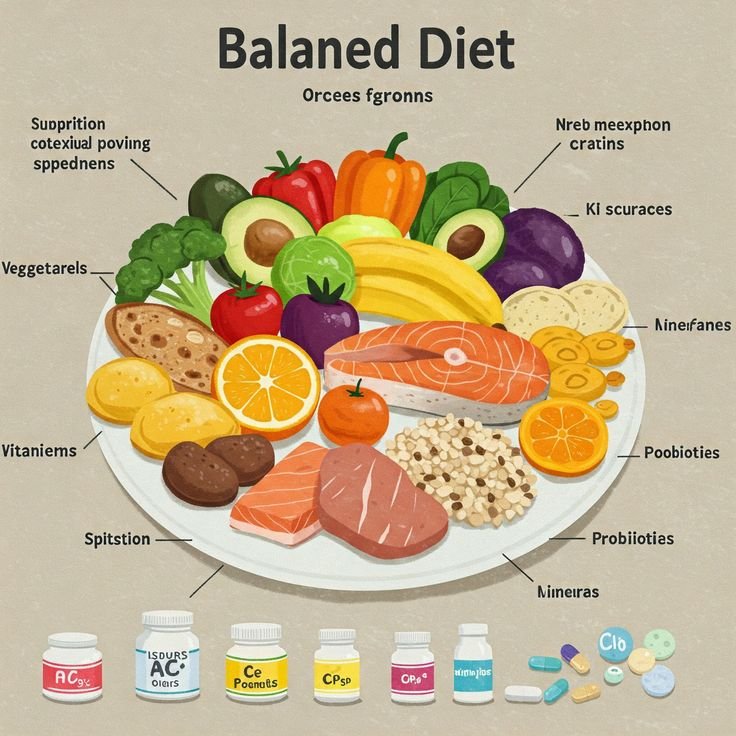
A balanced diet is a dietary pattern that provides all essential nutrients your body requires for optimal functioning. It is comprised of various components including carbohydrates, proteins, fats, vitamins, and minerals, each serving unique and vital roles in maintaining health. The foundation of a balanced diet lies in consuming a variety of foods from different food groups, ensuring that you receive a comprehensive array of nutrients. Carbohydrates are the body’s primary energy source and are found in foods such as fruits, vegetables, and whole grains. These macronutrients are crucial for fueling daily activities and supporting brain function. Proteins, on the other hand, are essential for growth and repair of tissues. They can be sourced from both animal and plant-based foods such as meat, fish, nuts, and legumes. Fats often receive a negative portrayal in popular culture; however, they are integral for multiple physiological processes. Healthy fats, such as those found in avocados, olive oil, and fatty fish, support brain health, hormone production, and cellular function. Vitamins and minerals, although needed in smaller quantities compared to macronutrients, are equally important. These micronutrients play critical roles in various bodily functions including immune response, bone health, and energy production. Incorporating these components in appropriate proportions helps in creating a balanced diet. This approach not only ensures adequate nutrient intake but also aids in maintaining a healthy weight, reducing the risk of chronic diseases, and promoting overall well-being. By understanding the significance of each nutrient type and how they work synergistically, individuals can make more informed dietary choices that align with their health goals. Crafting a balanced diet does not necessitate elaborate rules; rather, it is about embracing variety and moderation in food selection.
Identifying Personal Dietary Needs
When it comes to creating a balanced diet, understanding your personal dietary needs is essential. These needs can vary significantly based on several factors, including age, gender, activity level, and specific health concerns or dietary restrictions. Therefore, taking an individualized approach is crucial for achieving optimal health and wellness.
Your age plays a pivotal role in determining your nutritional requirements. For instance, children and adolescents require a higher intake of certain nutrients to support growth and development, while older adults often need fewer calories but may require increased amounts of micronutrients to maintain health and prevent age-related conditions. Gender also influences dietary needs, as men and women may have different requirements for macronutrients and micronutrients due to variations in body composition and hormonal changes.
Activity level further compounds these factors. Someone who engages in regular exercise may need a higher caloric intake and specific nutrients, such as protein for muscle repair, compared to someone with a sedentary lifestyle. Hence, assessing your daily level of physical activity is essential in tailoring your diet effectively.
Moreover, any specific dietary requirements or health conditions should be addressed while planning your nutrition. For individuals with diabetes, for example, managing carbohydrate intake becomes a priority. Food allergies, intolerances, and health goals, such as weight loss or muscle gain, necessitate personalized adjustments to dietary choices. Identifying these factors enables individuals to make informed decisions regarding their food selections, promoting a balanced and nutritious diet.
Ultimately, understanding and recognizing personal dietary needs allows for a tailored approach that aligns with your lifestyle, ensuring that you not only achieve a balanced diet but also maintain overall well-being.
Simplicity is Key: Avoiding Complicated Diet Rules
In a world filled with conflicting dietary advice and trends, maintaining a balanced diet can seem overwhelming. However, the foundation of a healthy eating pattern lies in simplicity. By focusing on uncomplicated choices and fostering a flexible mindset, individuals can develop a sustainable approach to nutrition.
When planning meals, it is beneficial to avoid the trap of intricate diets with stringent rules. Instead, consider adopting a straightforward framework for meal planning. Start by incorporating a variety of food groups, including vegetables, fruits, whole grains, proteins, and healthy fats. This diversity provides essential nutrients and supports overall health without the need for rigid restrictions.
Moreover, when selecting food items, prioritize whole, minimally processed foods. Whole foods, such as fresh fruits, vegetables, grains, nuts, and seeds, offer numerous health benefits and keep dietary choices uncomplicated. This approach makes shopping and meal preparation more accessible, reducing the stress that often comes from following complex dietary protocols.
Meal planning can also be simplified by creating versatile, adaptable recipes that can accommodate different ingredients based on what is available. For instance, stir-fries can include various vegetables and protein sources, making it easier to use what one has on hand. By focusing on a few foundational recipes, the process of preparing meals remains streamlined and efficient.
Additionally, developing an intuitive relationship with food is essential. Rather than adhering to strict eating windows or calorie counts, listen to the body’s hunger signals and eat accordingly. This approach encourages a healthy balance and fosters an understanding of personal dietary needs, thus minimizing the stress associated with complicated eating habits.
Incorporating Variety in Your Meals
Incorporating a diverse array of foods in your daily meals is vital for achieving a balanced diet. Variety ensures that you receive a broad spectrum of nutrients, enhances the flavors and textures of your meals, and keeps your eating experience enjoyable. To achieve this, consider integrating new ingredients into your dishes. Regularly introduce fruits, vegetables, whole grains, and proteins that you may not typically use. For instance, experimenting with quinoa, farro, or different types of beans can add unique flavors and nutrients to your meals.
Additionally, exploring various cooking methods can bring new life to your meals. Instead of relying solely on frying, try steaming, roasting, or grilling. Each method not only alters the taste and texture of the food but can also change its nutritional profile. For example, roasting vegetables can enhance their natural sweetness, making them more appealing, while steaming can help to retain nutrients that might otherwise be lost during cooking.
Another effective strategy for ensuring variety is to explore different cuisines from around the world. Each culture offers distinct ingredients and dishes that can enrich your diet. For example, Mediterranean cuisine typically highlights fresh vegetables, healthy fats, and lean proteins, while Asian cuisines often emphasize rice, fish, and a wide range of vegetables. By diversifying the cuisines you prepare, you not only increase variety but also promote a more balanced intake of essential nutrients.
In essence, incorporating variety into meals promotes not only a more balanced diet but also supports a sustained interest in eating healthy. By regularly trying new ingredients, utilizing diverse cooking techniques, and exploring global cuisines, you can create meals that are both nutritious and delightful.
Listening to Your Body’s Signals
Understanding and responding to your body’s signals is a vital component of creating a balanced diet. Many individuals often overlook hunger and fullness cues due to busy lifestyles or external influences, leading to unhealthy eating habits. By cultivating mindfulness around eating, individuals can learn to recognize these internal signals, thus facilitating more intuitive food choices.
To begin, it is essential to differentiate between physical hunger and emotional cravings. Physical hunger arises gradually and can be marked by signals such as a rumbling stomach or a lack of energy. In contrast, emotional cravings often occur suddenly and may stem from boredom, stress, or external stimuli. Keeping a food journal can aid in identifying these triggers by allowing individuals to log their foods and the context surrounding their consumption. This practice encourages a deeper awareness of how specific emotions or situations correlate with eating behaviors.
When it comes to fullness cues, it’s beneficial to practice mindful eating techniques. This includes eating slowly and savoring each bite, which not only enhances the eating experience but also provides ample time for the body to signal fullness. A general recommendation is to pause halfway through meals to assess hunger levels; this can help individuals determine if they need to continue eating or if they are satisfied. Providing yourself with the time to enjoy food fosters a healthier relationship with it, reducing instances of overeating.
In conclusion, being attuned to the body’s hunger and fullness signals is crucial for achieving a balanced diet. This mindfulness approach encourages conscious eating habits that promote overall well-being, making healthy choices feel more instinctive rather than enforced by rigid dietary rules.
Practical Meal Planning Tips
Meal planning is an effective way to ensure a balanced diet while minimizing the complexity often associated with healthy eating. One of the first steps in practical meal planning is to create a balanced meal template that includes a variety of food groups. A typical meal should consist of lean proteins, whole grains, plenty of vegetables, and healthy fats. This diversity not only enhances nutritional intake but also provides various flavors and textures, keeping meals enjoyable.
Understanding portion sizes is crucial in meal preparation. Utilizing tools such as measuring cups, a kitchen scale, or visual cues can help in managing servings accurately. For instance, a portion of protein should typically be the size of a palm, while carbohydrates like rice or pasta can be measured using cupped hands. Such guidelines can simplify the process of forming balanced meals and ensure that calorie intake aligns with individual dietary goals.
Advance preparation of meals is another practical tip for achieving a balanced diet without straining daily routines. Consider setting aside specific days for meal prep, where you can batch-cook proteins and chop vegetables that can be used throughout the week. Preparing dishes in advance not only saves time but also reduces reliance on convenience foods that may lack nutritional value. Additionally, investing in quality storage containers can help keep meals fresh, making it easier to grab healthy options on busy days.
Finally, incorporating a rotation of foods will prevent monotony. Explore different recipes that utilize seasonal produce to maintain a vibrant diet. Regularly changing meals can also help in discovering unique flavor combinations and keeping dinner exciting while adhering to a balanced dietary framework.
Emphasizing Whole Foods vs. Processed Foods
In the realm of nutrition, the distinction between whole foods and processed foods is crucial for anyone looking to build a balanced diet. Whole foods are those that are minimally altered from their natural state. They include items like fruits, vegetables, whole grains, nuts, and unprocessed meats. These foods are typically high in essential nutrients, including vitamins, minerals, and fiber, which are vital for optimal health.
On the other hand, processed foods refer to items that have undergone significant manufacturing processes that often strip away their natural nutrients and incorporate unhealthy additives, preservatives, and excessive sugars or fats. Examples include sugary snacks, fast foods, and pre-packaged meals. While convenient, these foods frequently contribute to health issues such as obesity, heart disease, and diabetes.
Prioritizing whole foods in your diet is fundamental for achieving balance and longevity. Whole foods provide a well-rounded array of nutrients without the harmful ingredients often found in processed alternatives. Additionally, consuming these foods can promote satiety, thereby aiding in weight management and preventing overeating.
To make healthier choices while shopping for food, consider the following practical tips. First, aim to shop the perimeter of the grocery store, where whole foods are usually located, rather than the aisles, which often contain processed items. Second, when selecting packaged foods, look for those with short ingredient lists that contain recognizable and natural components. Furthermore, consider buying seasonal and local produce to ensure freshness and enhance flavor.
By focusing on whole foods and minimizing processed alternatives, you can enhance not just your diet but your overall well-being. Simple adjustments in shopping habits can lead to significant improvements in health, making it essential to prioritize whole over processed foods in your daily meals.
The Role of Hydration in Diet Balance
Hydration plays a critical role in maintaining a balanced diet, as it directly influences overall health and wellness. Drinking an adequate amount of water supports various bodily functions, including digestion, nutrient absorption, and temperature regulation. Water serves as a fundamental component of a balanced diet, acting as a medium for transporting essential nutrients throughout the body. Furthermore, staying properly hydrated can aid in preventing fatigue and enhancing physical performance.
Incorporating healthy beverages into your diet is equally significant, as some options can complement hydration efforts rather than detract from them. For instance, herbal teas and infused water can provide alternatives to plain water while offering additional flavors and potential health benefits. These beverages can be enjoyed without the added sugars and artificial ingredients found in many sodas and sugary drinks, which contribute to excess calorie intake and can lead to weight gain.
It is essential to avoid excessive sugary drinks, as they can have detrimental effects on health. Regular consumption of these beverages can lead to an imbalance in diet, dooming efforts to maintain appropriate weight and nutrition levels. Instead, focusing on low-calorie, hydrating options can assist in achieving dietary goals while promoting greater overall well-being.
Integrating hydration into everyday routines is simple and effective. Aim to carry a reusable water bottle to encourage frequent sipping throughout the day, and consciously replace one sugary beverage with a healthier alternative. By prioritizing hydration and making informed beverage choices, individuals can significantly enhance their diet balance and overall health.
Making Long-Term Dietary Changes
Implementing long-term dietary changes is a gradual process that requires commitment and patience. The key to fostering a balanced diet lies in setting realistic and achievable goals. Begin by assessing your current eating habits and identifying areas that require adjustment. Instead of overhauling your entire diet overnight, consider incorporating small changes that lead to more significant results over time. For instance, if your objective is to increase vegetable consumption, start by adding a serving of vegetables to one meal per day, gradually building from there.
An effective approach to reinforcing these changes is to focus on habit-building. Establishing new dietary habits requires consistency, and it is crucial to replace old habits with healthier alternatives. For example, if snacking on chips is a regular occurrence, swap them for nuts or fruit. This allows you to maintain the satisfaction of snacking while improving the nutritional quality of your food choices. Tracking your progress, whether through journals or apps, can also provide motivation and help identify patterns that may require adjustments.
Consistency plays a central role in achieving a balanced diet. It is essential to remain committed even when faced with setbacks or challenges. Rather than viewing these moments as failures, adopt a mindset that considers them opportunities for learning. Life can be unpredictable, and there may be times when unhealthy foods are more accessible. Acknowledge these situations but strive to return to your healthy habits as soon as possible. Remember that dietary changes are not about perfection but rather about progress.
Ultimately, building a balanced diet is a journey rather than a destination. By setting realistic goals, cultivating new habits, and emphasizing consistency, individuals can develop a sustainable approach that promotes overall well-being without overwhelming themselves.