

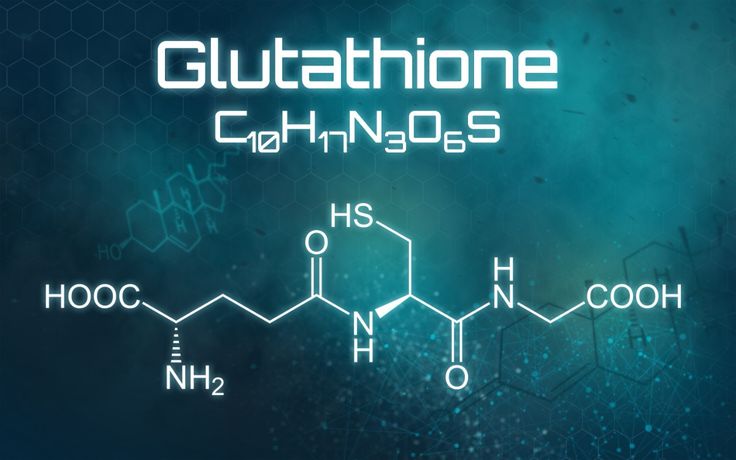
Aging is a natural part of life, but what if there were ways to embrace it while maintaining vitality and health? Enter glutathione, a powerful antioxidant that plays a crucial role in our bodies. Often referred to as the “master antioxidant,” glutathione works tirelessly behind the scenes, protecting us from oxidative stress and supporting overall cellular function. As we age, maintaining optimal levels of this remarkable compound becomes increasingly important for promoting healthy aging. Curious about how glutathione can enhance your well-being? Let’s dive into its benefits and discover how you can incorporate it into your daily routine for a more vibrant life.
What is Glutathione and Why is it Important for Healthy Aging?
Glutathione is a powerful antioxidant found in every cell of the body. Often referred to as the “master antioxidant,” it plays a crucial role in neutralizing free radicals and reducing oxidative stress.
As we age, our natural production of glutathione tends to decline. This decrease can lead to increased cellular damage and accelerated aging processes. Maintaining optimal levels becomes essential for promoting vitality and longevity.
Beyond its protective qualities, glutathione supports detoxification pathways in the liver. It aids in flushing out harmful toxins that accumulate over time, ensuring our bodies function at their best.
Moreover, glutathione enhances immune system performance, which is vital as we grow older. A robust immune response helps fend off illnesses and infections that often become more prevalent with age.
Understanding its importance emphasizes why nurturing this remarkable compound should be part of any healthy aging strategy.
The Benefits of Maintaining Optimal Levels of Glutathione
Maintaining optimal levels of glutathione can significantly enhance overall health and well-being. This powerful antioxidant plays a crucial role in neutralizing free radicals, which can damage cells and accelerate aging.
One of the standout benefits is its ability to support immune function. A robust immune system helps fend off infections and diseases as we age.
Glutathione also aids in detoxification processes within the liver, promoting better metabolic health. By flushing out toxins, it contributes to a clearer mind and increased energy levels.
Moreover, adequate glutathione supports skin health by combating oxidative stress that leads to premature wrinkles and dullness. Radiant skin often reflects internal vitality.
Additionally, higher levels may improve exercise performance by reducing muscle fatigue post-workout. This makes it easier to maintain an active lifestyle as you age. Embracing these benefits encourages a more vibrant life journey with every passing year.
How to Increase Glutathione Levels Naturally
Increasing glutathione levels naturally can be an empowering journey for your health. Start by incorporating sulfur-rich foods into your diet, such as garlic, onions, and cruciferous vegetables like broccoli and Brussels sprouts. These foods support the body’s production of this vital antioxidant.
Regular exercise is another effective way to boost glutathione. Physical activity helps stimulate its synthesis while also reducing oxidative stress in the body.
Consider adding supplements like N-acetylcysteine (NAC) or alpha-lipoic acid to your routine. Both compounds are known for their ability to enhance glutathione levels significantly.
Hydration plays a crucial role too; drinking plenty of water aids cellular functions that contribute to maintaining optimal glutathione levels.
Focus on quality sleep and stress management techniques such as meditation or yoga, which can help preserve this essential antioxidant’s reserves in your body.
Foods That Boost Glutathione Production
To naturally enhance glutathione levels, incorporating certain foods into your diet is essential. These nutrient-dense options can be delicious and beneficial.
Start with cruciferous vegetables like broccoli, Brussels sprouts, and kale. They contain sulfur compounds that are key players in boosting glutathione production.
Garlic is another powerhouse. Its allicin content not only adds flavor but also supports detoxification processes in the body.
Fruits such as avocados and oranges provide vitamins C and E. These antioxidants protect glutathione from oxidation while promoting its synthesis.
Don’t overlook nuts and seeds either; walnuts and sunflower seeds offer selenium, a mineral vital for maintaining optimal levels of this tripeptide.
Incorporating these foods into meals can create a flavorful strategy to elevate your health while supporting healthy aging effortlessly.
Supplements and Topical Products with Glutathione
Supplements and topical products containing glutathione are gaining popularity for their potential health benefits. Many people turn to oral supplements to boost their body’s natural levels of this powerful antioxidant.
Capsules and powders are common forms, often combined with vitamins C and E for enhanced effects. These formulations aim to support detoxification processes and combat oxidative stress at the cellular level.
Topical applications like creams or serums featuring glutathione target skin rejuvenation. They may help reduce the appearance of fine lines, improve skin tone, and promote a more youthful glow.
As you consider these options, it’s essential to check product quality. Look for brands that prioritize bioavailability—the ability of your body to absorb and utilize the nutrient effectively. Always consult healthcare professionals before starting any new supplement regimen or skincare routine involving glutathione.
Things That Can Deplete Glutathione Levels
Several factors can significantly deplete glutathione levels in the body. Chronic stress is one of the primary culprits, as it increases oxidative stress and demands more from your antioxidant reserves.
Poor diet also plays a role. Consuming processed foods high in sugar and unhealthy fats can hinder your body’s ability to produce this vital antioxidant.
Environmental toxins are another significant threat. Pollution, heavy metals, and chemicals found in household products can damage cellular health and lower glutathione levels.
A sedentary lifestyle doesn’t help either. Regular physical activity promotes healthy circulation and boosts antioxidants like glutathione.
Moreover, certain medications may interfere with its production or increase its depletion rate, impacting overall health negatively. Awareness of these factors is crucial for maintaining optimal glutathione levels throughout life.
Conclusion
When it comes to incorporating glutathione into your anti-aging strategy, the first step is understanding its role in promoting overall health. Including glutathione-rich foods in your diet can make a significant difference. Think of avocados, spinach, and asparagus as allies in your quest for longevity.
Additionally, consider supplements that contain this powerful antioxidant. These can provide a convenient way to boost levels if dietary sources fall short. Topical products infused with glutathione may also enhance skin appearance by combatting oxidative stress.
It’s essential to maintain a balanced lifestyle for optimal results. Regular exercise and proper hydration not only support general well-being but also encourage healthy glutathione production. Reducing exposure to environmental toxins and managing stress are equally important since these factors can deplete its levels.
As you embark on this journey towards healthier aging, remember that small changes can lead to substantial benefits over time. Embrace the power of glutathione and watch as it elevates both your wellness efforts and enhances your vitality through the years ahead.